中考
2025年山东省泰安市中考英语
2025年山东省泰安市中考英语,满分30分,题型包括阅读理解、完形填空、写作题,逐题解析,提供Word下载。
- 年份
- 2025
- 省市
- 山东
- 城市
- 泰安
- 科目
- 英语
- 类型
- 试卷
- 状态
- 普通
- 更新时间
- 2026-07-22
试卷信息与训练价值
- 考试年份
- 2025
- 考试地区
- 山东 · 泰安
- 考试类型
- 初中学业水平考试
- 科目
- 英语
- 满分
- 30 分
- 题型
- 阅读理解、完形填空、写作题
- 答案状态
- 含参考答案
- 解析状态
- 逐题解析
- 文件格式
- Word
- 适合人群
- 九年级复习、中考真题训练
解析涉及的重点知识:词汇、听力、阅读理解、完形填空、书面表达。
在线试题
2025 年泰安市初中学业水平考试
英语试题本试卷共 12页。满分 150分。考试用时 120分钟。考试结束后,将本试卷和答题卡一并交回。
注意事项:
1.答题前,考生务必用
0.5毫米黑色签字笔将自己的姓名、准考证号和座号填写在答题卡和试卷规定的位置上。
2.选择题每小题选出答案后,用 2B 铅笔把答题卡上对应题目的答案标号涂黑;如需改动,用橡皮擦干净后,再选涂其他答案标号。答案写在试卷上无效。
3.非选择题必须用
0.5毫米黑色签字笔作答,答案必须写在答题卡各题目指定区域内相应的位置,不能写在试卷上;如需改动,先划掉原来的答案,然后再写上新的答案;不能使用涂改液、胶带纸、修正带。不按以上要求作答的答案无效。
第Ⅰ卷(共 80分)第一部分 听力(共 25小题;1—20小题每题 1分,21—25小题每题 2分,满分 30分)
(一)听句子,选择适当的应答语。每个句子读两遍。
1.
2.
3.
4.
5.
(二)听五段对话,选择正确答案。每段对话读两遍。你将有 20秒钟的时间阅读下面 5个小题。
6. What are the speakers mainly talking about?
7. How does Victor feel?
8.Why does Mom refuse to buy the shoes for Jack? A.Because they are expensive.
B.Because they are too big. C.Because Jack has many of this kind.
9. What’s the possible relationship between the two speakers?
10. What does Lisa mean?
(三)听两段长对话,选择正确答案。每段对话读两遍。听每段对话前你将有
10秒钟的时间阅读对应的 3个小题。听第一段对话,回答第 11—13小题。
11. How are Tom and his parents going to Hangzhou?
12. What’s the weather like in Hangzhou these days?
13. How much will Tom’s family pay for their hotel stay in total?
听第二段对话,回答第 14—16小题。
14. What is Nancy doing when Bill calls her?
15. What does Nancy hope for in the future?
16. What can’t Astribot do?
(四)听短文,回答下面四个问题,选择正确答案。短文读两遍。你将有 20秒钟的时间阅读下面 4个小题。
17. Why do some students prefer small shops?
18. What should you do first when you go shopping?
19. Why does the speaker suggest using a card?
20. What does “smart shopping” mean?
(五)听短文,填表格。根据短文内容,写出下面表格中所缺信息,每空一词。短文读三遍。你将有 20秒钟的时间阅读表格内容。答题完毕后,请将答案填写在答题卡的相应位置。
| A New Music Center | |
| Location | It's (21) ____ the community park. |
| Aims | To help young people learn music and show their (22) ____. |
| Activities | ★Offer free music classes every (23) ____ morning to children, and workshops to teenagers.★Local musicians will perform monthly in the big concert hall. |
| If you can teach an instrument or (24) ____ events, and want to be volunteers, please call Mrs. Green. Let's make our community livelier and (25) ____ with music! | |
第二部分 完形填空(共 10小题;每小题 1分,满分 10分)
阅读下面短文,掌握其大意,然后从每题所给的 A、B、C三个选项中,选出能填入短文相应空白处的最佳选项,并在答题卡上将该项涂黑。
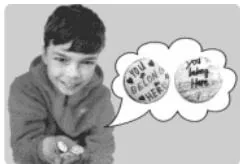
Kellen McMahan, age 9, wants everyone at his school to know they are a valued part of the group. “No one wants to feel like they don’t belong here,” he says. That’s why, when he saw a kid on the playground, he came up with Kellen’s Project for Belonging.
Kellen wanted to give something to everyone at school to remind them they’re important. After talking with his parents and teacher, he on buttons (纽扣). He says, “I explained the idea to my class. We had to plan it out my school has over 400 kids.”
He and his classmates decorated (装饰) paper circles with kind slogans (口号) “You Belong Here!” They made the circles into using a machine and sent them to each classroom. He hoped that the buttons would help students that they belong. He also hoped they’d inspire kids to treat others like they belong too.
Kellen still sees people the buttons on backpacks and clothes. He thinks they’ve made a difference. “I’ve observed (观察) some of the kids interacting (相互 影响) a bit more,” he says. “I’ve seen the kids seemed lonely before, and they’re starting to play with more people.”
Today, Kellen is on the lookout for new project ideas. “You’ve got to be thoughtful about the people around you,” he says. “It’s a good to help someone out.”
1.
2.
3.
4.
5.
6.
7.
8.
9.
10.
第三部分 阅读理解(共两节;满分 40分)
第一节 阅读下列短文或图表,从每题所给的 A、B、C、D四个选项中,选出最佳选项,并在答题卡上将该项涂黑。(共 15 小题;每小题 2分,满分 30分)
A
When Paul Jackson was a boy, he lived near an old copper smelter (冶炼厂) which polluted the environment seriously. A beautiful forest nearby was made into a wasteland. He vowed (发誓) that someday he would make the land green again.
While at college, he chose botany (植物学). He met a professor who was an expert in ecology (生态学). He told Paul it would take about twenty thousand years to make that wasteland green again.
Then Paul got married and had some kids. But his dream would not die. He kept thinking about it. One night he took some action. He sneaked out into the wasteland with a backpack full of seedlings and started planting. For seven hours, he planted the seedlings. Every week, he made his secret journey and did the same job, but most of them died. For fifteen years he did this.
Once, when all his young trees burned to the ground because of a careless sheepherder, Paul broke down and cried. Then he got up and kept planting. Freezing winds and terrible heat, landslides and floods and fires destroyed (毁坏) his work time and time again. However, he kept planting.
Very slowly, amazing things began to take place. Now the place is fourteen thousand acres of trees, grass and bushes. Many kinds of wildlife live here. Paul received many environmental awards. His hair turned white, but he managed to keep that impossible vow he made to himself as a child.
Just keep working, no matter who criticizes you, no matter how long it takes, no matter how many times you fall.
11. What did Paul Jackson vow when he was a boy?
12. Which can best explain the underlined phrase “sneaked out” in Paragraph 3?
13. How did Paul react (反应) when his young trees burned to the ground?
14. What was the result of Paul’s long-term efforts?
B
This school year, the Service Stars community made a big difference. Kids, thank you for sharing your stories. What will you do next?
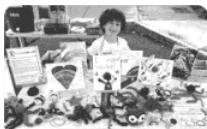 | Huson, 9, New YorkMy families and I collect handmade items (手工制品) from people and sell them at community events and the farmers market. We’ve raised more than \$8,000! Every cent is donated to village charities. |
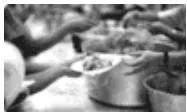 | Ella, 12, CaliforniaMy friends and I took part in an event to help people who are hungry in our community. We worked hard and had a lot of fun. We made about 4,000 meals! Even kids can make a difference when we work together. |
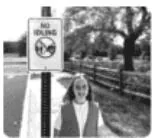 | Nora, 11, New JerseyI researched the harms that idling (空转;未熄火) cars cause the environment and our health. I shared my findings, leading to a no-idling rule at school. Families are encouraged to turn off their cars in the pickup and drop-off lines. Reducing air pollution will have a positive influence on our school community and the planet. |
 | Amara, 13, CaliforniaI wanted a crosswalk (人行横道) on my street. I wrote to my town's leaders. They had meetings about the issue (议题). It took a while, but a crosswalk was added. Now my road is safer to cross. I completed one service project, and I hope to serve my community more. |
15. Who took part in an event to help hungry people in the community?
16. From the passage, we can learn that
17. What do the four kids have in common?
Weiqi, commonly known as Go in English, is a board game that originated in ancient China. The game is considered one of the Four Arts that Chinese literators (文 人) were required to master. Besides Weiqi, they had to learn Chinese calligraphy (shu), painting (hua) and guqin playing (qin).
Weiqi has a history of over 4,000 years, even older than Chinese chess. According to some historical records, the game, known as Yi in its early years, is said to have been invented by Yao (尧). Seeing that his son had a bad temper (脾气), Yao was rather worried. So he decided to find something that could help educate his son, and a simple board game came to him.
The rules of Weiqi are simple: using black and white stones (棋子), two players take turns placing their stones on empty cross points of the board. The goal is to surround (包围) a larger total area on the board while preventing one’s own stones from being taken by the opponent (对手). Stones do not move and are only taken off the board if they are completely surrounded.
The scene of two people playing Weiqi appears in many traditional Chinese paintings. The image of a player holding a stone over the board, looking for a place to put it, was later turned into a popular Chinese idiom (成语), which means “unsure about making a move”. The expression is still widely used today.
With its development, Weiqi grew in popularity. Later, it spread to Japan, South and North Korea and Western countries. Today, it has become an international board game.
18. What’s the main idea of the second paragraph?
19. What does the underlined expression “unsure about making a move” mean in the fourth paragraph?
20.What can we learn from the passage? A.Weiqi has a history of more than 5,000 years.
B.Weiqi is a simple board game that is enjoyed by the old. C.Weiqi has become more and more popular around the world. D.The player who surrounds a smaller total area wins the game.
21. In which part of a newspaper can you probably read the passage?
D
Nowadays, some companies around the world are now offering humanoid (human-like) robots. They are being designed (设计) to look as human as possible. These products of technology are at the center of a debate (辩论): Should they be made to look like humans or just like what they are machines?
Robots are playing an increasingly bigger role in our lives. In some countries, robots have been entertaining kids and helping the elderly. Some experts say robots will be more effective at such jobs if they look like humans. Research has shown that people feel closer to human-like robots. Also, human-like robots suit environments that are designed for humans. After all, the world is full of stairs (楼梯), hallways, shelves at shoulder height and sightlines at eye level.
But other experts say robots don’t need to look like humans. Humanoid robots also have disadvantages. If robots look like us, we may expect them to act like us. However, they may make us disappointed because they can’t always do that yet. For example, they can’t laugh at the right moments during a conversation. Many people also find human-like robots scary.
I think the human body is not the best design for many of the jobs we want robots to do. Just think of small, flat robot vacuums (真空吸尘器). They can go under a sofa to pick up the dust balls. Can human-like robots also do this? Even if robots can be made into humanlike ones, why do we limit (限定) them to two legs and two arms?
Why not four and six so they can pick up the elderly or sick people comfortably? And that super intelligent AI almost certainly wouldn’t pick one body design to carry its mind around in. Why limit computational capacity (算力) to what fits inside a single head?
What’s your opinion about robots’ shapes?
22. According to the second paragraph, the reasons why robots should be designed to look like humans include ①People feel closer to humanoid robots. ②Robots are widely used in the industrial field. ③Humanoid robots can serve the people effectively. ④Humanoid robots can suit human environments.
23. Other experts don’t agree that robots are designed to look like humans because humanoid robots
C.can’t have conversations with humans D.can’t always behave like us as we expect
24. What’s the writer’s opinion according to the fourth paragraph?
25. What’s the best title of this passage?
第二节 (共 5小题;每小题 2分,满分 10分)
根据短文内容,从短文后选出能填入空白处的最佳选项。
Have you ever been in trouble and wanted to get away? The white-tailed deer can swim, run, hide and fight to stay out of trouble.
In early April, fawns (baby deer) are born. After a few weeks, the doe (the mother deer) leaves her fawns to find food. 26 The trees and grass can help keep the fawns from being seen by hungry predators (掠食者).
The fawns’ camouflage (伪装;保护色) hides them in April’s trees and golden grasses. 27 In summer, the fawns’ white spots disappear and never come back. In winter, their fur is gray, which helps them hide in the snow.
When the deer see, smell or hear something suspicious (可疑的), they stick their white tails up to signal that danger is near. 28
When a deer is chased into water, it knows what to do. It runs into the water and swims to the deepest part. 29 The deer will kick and thrash until the predator dies or walks off wounded.
30 If a deer is in a wide-open field and notices a predator, it will run in a zigzag (之字形) to get away. It runs in this way to confuse (混淆) the predator. If the deer ran straight, it would likely become a big meal.
A.The leader will run, and the others will follow.
B.She hides them in a bushy (灌木茂盛的) place.
C.If the predator thinks it’s going to win the battle (战斗), it is wrong.
D.There is one more way that deer stay out of trouble.
E.In spring, the fawns’ fur is brown with white spots.
第Ⅱ卷(共 70分)第四部分 书面表达(共三节)
第一节 词汇运用(共两题;满分 30分)
(一)单词拼写(共 5小题;每小题 2分,满分 10分)
根据句意、首字母或汉语提示,将单词的正确形式完整地写在答题卡的相应位置。
31.Jenny is very interested in traditional Chinese culture, and she has learned it s she came to China 5 years ago.
32.The government has started a three-year action plan to help people control their w to fight against obesity (肥胖).
33.Our country has made great progress in science and technology in recent years. As a Chinese, I feel so (自豪的) of these achievements!
34.—What happened to you yesterday afternoon?
—I (跌落) off the electric bicycle. Luckily, I wore a helmet and didn’t hurt my head.
35.Community canteens (食堂) have become more and more popular in China, and they provide old people with (更健康的) and cheaper dishes.
(二)综合填空(共 10小题;每小题 2分,满分 20分)
根据短文内容,用方框中所给单词的适当形式填空,使文章通顺、完整,每词限用一次。
wrong, when, middle, after, comfortable, energy, anything, either, move, wait
Many people believe that exercising on an empty stomach burns more calories (卡路里). But research shows that it doesn’t actually make much of a difference. Does that mean you should eat a lot of protein and carbs (蛋白质和碳水化合物) right before exercising? No, that’s not true, 36 .Take a look at when and how you should eat, before, after, or even during exercise.
The calories in food provide the 37 you need for exercising. But eating too much right before exercise can cause problems. Exercising 38 blood from organs (器官), including the stomach, to the muscles (肌肉). So exercising on a full stomach influences digestion (消化), which could make you feel 39 or sick. That’s particularly true of meals high in fat, protein or fiber, which take longer to
digest than carbs. Experts suggest eating more carbs than protein before exercising and 40 two to three hours before starting exercise.
Protein is easier to digest 41 exercise. If you have to wait an hour or more for a full meal, it’s better to have a high-protein snack to help control your appetite (食欲). People who are too hungry are more likely to eat too much of the 42 food!
Most people who are eating enough throughout the day don’t need 43 during exercise. But if you are training for more than an hour, you might benefit (受 益) from a carb-rich snack in the 44 .
However, experts agree that the most important part is a balanced diet. What you eat matters more than 45 you eat.
第二节 阅读表达(共 6小题;71—73小题每题 2分,74—76小题每题 3分,满分 15分)
阅读下面的短文,并根据短文后的要求答题(请注意问题后的词数要求)。
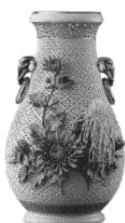
[1] Have you ever seen porcelain that has carved hollows (镂空雕刻) and clay flowers? This special kind of porcelain is called Tonghua porcelain (通花瓷). It is from Chaozhou city, Guangdong province. In 2008, it was listed as a national intangible cultural heritage (非物质文化遗产).
[2] It (4) ① about 20 steps and 45 days to turn a porcelain design into a finished product. A Tonghua porcelain vase has as many as 10,000 hollows. The maker must plan carefully. If a hollow is carved too large, it can crack (裂开) during firing.
[3] Born in 1995 into a family of Tonghua porcelain makers, Ye Hao is a young inheritor (传承人) of the art. (5) As the number of people with Tonghua skills is falling in Guangdong, he feels it is very important to master it. Ye has been improving his skills for over 10 years.
[4] During a winter holiday, while Ye was practicing clay flower shaping, his grandfather came and laughed at the cracks in the flowers he made. “My grandpa told me that I didn’t have the feel for clay. I didn’t understand (4) ② _______ he meant then, but now I realize he was encouraging me to practice more,” Ye said. Moisture levels (湿度水平) in clay are important, as dry clay cracks easily.
[5] Trying to be creative with the art, Ye chose to make it part of his everyday hobbies. For example, he created a porcelain brooch (胸针) with a rose design. It was chosen (4) ③ _______ a souvenir (纪念品) by the Department of Culture and Tourism of Guangdong province. He also designed six Tonghua porcelain vases that include main characters from a popular show. He successfully improved Tonghua skills by mixing traditional art and pop culture.
[6] Ye said he would keep looking for ways to bring the art into everyday life and show it to more people with fresh designs.
46.When was Tonghua porcelain listed as a national intangible cultural heritage? (No more than 2 words)
47.What will happen if a hollow of the porcelain vase is carved too large? (No more than 6 words)
48.How did Ye improve Tonghua skills according to the fifth paragraph? (No more than 10 words)
49.Fill in each blank in the passage with a proper word.
① ② ③
50.Translate the underlined sentence in the third paragraph into Chinese.
51.There are many traditional art forms in our country. Which one do you like best? And why? Please list at least two reasons.
第三节 写作(共一题;满分 25 分)
52.良好的情绪管理有助于人的身心健康。学会正确处理负面情绪,可以更好地应对生活中的各种困难和挑战。某英语报刊正在以“Learn to Deal withNegative Emotions (负面情绪)”为题向广大中学生征文,请你结合自己的经历写一篇英语短文,谈谈正确处理负面情绪的方法及重要意义,向报刊投稿。提示如下:
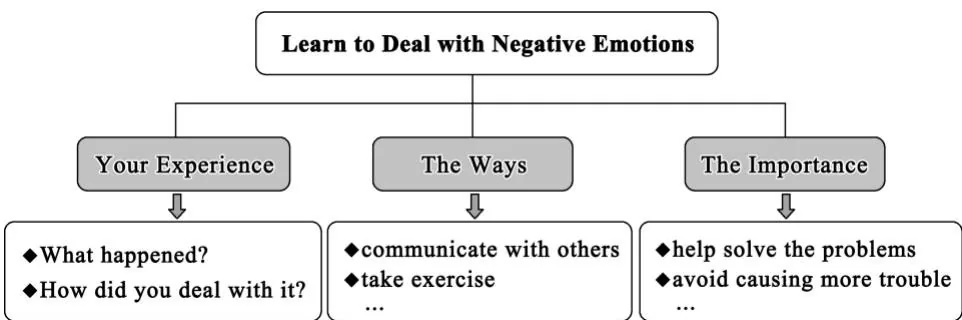
写作要求:
1.要点齐全,语句通顺,可适当发挥;
2.文中不得出现真实的人名、校名等信息;
3.词数:80—100。
Learn to Deal with Negative Emotions
1.B
2.C
3.A
4.B
5.C
6.A
7.C
8.B
9.C
10.A
答案与详细解析
2025 年泰安市初中学业水平考试
英语试题本试卷共 12页。满分 150分。考试用时 120分钟。考试结束后,将本试卷和答题卡一并交回。
注意事项:
1.答题前,考生务必用
0.5毫米黑色签字笔将自己的姓名、准考证号和座号填写在答题卡和试卷规定的位置上。
2.选择题每小题选出答案后,用 2B 铅笔把答题卡上对应题目的答案标号涂黑;如需改动,用橡皮擦干净后,再选涂其他答案标号。答案写在试卷上无效。
3.非选择题必须用
0.5毫米黑色签字笔作答,答案必须写在答题卡各题目指定区域内相应的位置,不能写在试卷上;如需改动,先划掉原来的答案,然后再写上新的答案;不能使用涂改液、胶带纸、修正带。不按以上要求作答的答案无效。
第Ⅰ卷(共 80分)第一部分 听力(共 25小题;1—20小题每题 1分,21—25小题每题 2分,满分 30分)
(一)听句子,选择适当的应答语。每个句子读两遍。
1.
2.
3.
4.
5.
(二)听五段对话,选择正确答案。每段对话读两遍。你将有 20秒钟的时间阅读下面 5个小题。
6. What are the speakers mainly talking about?
7. How does Victor feel?
8.Why does Mom refuse to buy the shoes for Jack? A.Because they are expensive.
B.Because they are too big. C.Because Jack has many of this kind.
9. What’s the possible relationship between the two speakers?
10. What does Lisa mean?
(三)听两段长对话,选择正确答案。每段对话读两遍。听每段对话前你将有
10秒钟的时间阅读对应的 3个小题。听第一段对话,回答第 11—13小题。
11. How are Tom and his parents going to Hangzhou?
12. What’s the weather like in Hangzhou these days?
13. How much will Tom’s family pay for their hotel stay in total?
听第二段对话,回答第 14—16小题。
14. What is Nancy doing when Bill calls her?
15. What does Nancy hope for in the future?
16. What can’t Astribot do?
(四)听短文,回答下面四个问题,选择正确答案。短文读两遍。你将有 20秒钟的时间阅读下面 4个小题。
17. Why do some students prefer small shops?
18. What should you do first when you go shopping?
19. Why does the speaker suggest using a card?
20. What does “smart shopping” mean?
(五)听短文,填表格。根据短文内容,写出下面表格中所缺信息,每空一词。短文读三遍。你将有 20秒钟的时间阅读表格内容。答题完毕后,请将答案填写在答题卡的相应位置。
| A New Music Center | |
| Location | It's (21) ____ the community park. |
| Aims | To help young people learn music and show their (22) ____. |
| Activities | ★Offer free music classes every (23) ____ morning to children, and workshops to teenagers.★Local musicians will perform monthly in the big concert hall. |
| If you can teach an instrument or (24) ____ events, and want to be volunteers, please call Mrs. Green. Let's make our community livelier and (25) ____ with music! | |
第二部分 完形填空(共 10小题;每小题 1分,满分 10分)
阅读下面短文,掌握其大意,然后从每题所给的 A、B、C三个选项中,选出能填入短文相应空白处的最佳选项,并在答题卡上将该项涂黑。
Kellen McMahan, age 9, wants everyone at his school to know they are a valued part of the group. “No one wants to feel like they don’t belong here,” he says. That’s why, when he saw a kid on the playground, he came up with Kellen’s Project for Belonging.
Kellen wanted to give something to everyone at school to remind them they’re important. After talking with his parents and teacher, he on buttons (纽扣). He says, “I explained the idea to my class. We had to plan it out my school has over 400 kids.”
He and his classmates decorated (装饰) paper circles with kind slogans (口号) “You Belong Here!” They made the circles into using a machine and sent them to each classroom. He hoped that the buttons would help students that they belong. He also hoped they’d inspire kids to treat others like they belong too.
Kellen still sees people the buttons on backpacks and clothes. He thinks they’ve made a difference. “I’ve observed (观察) some of the kids interacting (相互 影响) a bit more,” he says. “I’ve seen the kids seemed lonely before, and they’re starting to play with more people.”
Today, Kellen is on the lookout for new project ideas. “You’ve got to be thoughtful about the people around you,” he says. “It’s a good to help someone out.”
1.
2.
3.
4.
5.
6.
7.
8.
9.
10.
第三部分 阅读理解(共两节;满分 40分)
第一节 阅读下列短文或图表,从每题所给的 A、B、C、D四个选项中,选出最佳选项,并在答题卡上将该项涂黑。(共 15 小题;每小题 2分,满分 30分)
A
When Paul Jackson was a boy, he lived near an old copper smelter (冶炼厂) which polluted the environment seriously. A beautiful forest nearby was made into a wasteland. He vowed (发誓) that someday he would make the land green again.
While at college, he chose botany (植物学). He met a professor who was an expert in ecology (生态学). He told Paul it would take about twenty thousand years to make that wasteland green again.
Then Paul got married and had some kids. But his dream would not die. He kept thinking about it. One night he took some action. He sneaked out into the wasteland with a backpack full of seedlings and started planting. For seven hours, he planted the seedlings. Every week, he made his secret journey and did the same job, but most of them died. For fifteen years he did this.
Once, when all his young trees burned to the ground because of a careless sheepherder, Paul broke down and cried. Then he got up and kept planting. Freezing winds and terrible heat, landslides and floods and fires destroyed (毁坏) his work time and time again. However, he kept planting.
Very slowly, amazing things began to take place. Now the place is fourteen thousand acres of trees, grass and bushes. Many kinds of wildlife live here. Paul received many environmental awards. His hair turned white, but he managed to keep that impossible vow he made to himself as a child.
Just keep working, no matter who criticizes you, no matter how long it takes, no matter how many times you fall.
11. What did Paul Jackson vow when he was a boy?
12. Which can best explain the underlined phrase “sneaked out” in Paragraph 3?
13. How did Paul react (反应) when his young trees burned to the ground?
14. What was the result of Paul’s long-term efforts?
B
This school year, the Service Stars community made a big difference. Kids, thank you for sharing your stories. What will you do next?
| Huson, 9, New YorkMy families and I collect handmade items (手工制品) from people and sell them at community events and the farmers market. We’ve raised more than \$8,000! Every cent is donated to village charities. |
| Ella, 12, CaliforniaMy friends and I took part in an event to help people who are hungry in our community. We worked hard and had a lot of fun. We made about 4,000 meals! Even kids can make a difference when we work together. |
| Nora, 11, New JerseyI researched the harms that idling (空转;未熄火) cars cause the environment and our health. I shared my findings, leading to a no-idling rule at school. Families are encouraged to turn off their cars in the pickup and drop-off lines. Reducing air pollution will have a positive influence on our school community and the planet. |
| Amara, 13, CaliforniaI wanted a crosswalk (人行横道) on my street. I wrote to my town's leaders. They had meetings about the issue (议题). It took a while, but a crosswalk was added. Now my road is safer to cross. I completed one service project, and I hope to serve my community more. |
15. Who took part in an event to help hungry people in the community?
16. From the passage, we can learn that
17. What do the four kids have in common?
Weiqi, commonly known as Go in English, is a board game that originated in ancient China. The game is considered one of the Four Arts that Chinese literators (文 人) were required to master. Besides Weiqi, they had to learn Chinese calligraphy (shu), painting (hua) and guqin playing (qin).
Weiqi has a history of over 4,000 years, even older than Chinese chess. According to some historical records, the game, known as Yi in its early years, is said to have been invented by Yao (尧). Seeing that his son had a bad temper (脾气), Yao was rather worried. So he decided to find something that could help educate his son, and a simple board game came to him.
The rules of Weiqi are simple: using black and white stones (棋子), two players take turns placing their stones on empty cross points of the board. The goal is to surround (包围) a larger total area on the board while preventing one’s own stones from being taken by the opponent (对手). Stones do not move and are only taken off the board if they are completely surrounded.
The scene of two people playing Weiqi appears in many traditional Chinese paintings. The image of a player holding a stone over the board, looking for a place to put it, was later turned into a popular Chinese idiom (成语), which means “unsure about making a move”. The expression is still widely used today.
With its development, Weiqi grew in popularity. Later, it spread to Japan, South and North Korea and Western countries. Today, it has become an international board game.
18. What’s the main idea of the second paragraph?
19. What does the underlined expression “unsure about making a move” mean in the fourth paragraph?
20.What can we learn from the passage? A.Weiqi has a history of more than 5,000 years.
B.Weiqi is a simple board game that is enjoyed by the old. C.Weiqi has become more and more popular around the world. D.The player who surrounds a smaller total area wins the game.
21. In which part of a newspaper can you probably read the passage?
D
Nowadays, some companies around the world are now offering humanoid (human-like) robots. They are being designed (设计) to look as human as possible. These products of technology are at the center of a debate (辩论): Should they be made to look like humans or just like what they are machines?
Robots are playing an increasingly bigger role in our lives. In some countries, robots have been entertaining kids and helping the elderly. Some experts say robots will be more effective at such jobs if they look like humans. Research has shown that people feel closer to human-like robots. Also, human-like robots suit environments that are designed for humans. After all, the world is full of stairs (楼梯), hallways, shelves at shoulder height and sightlines at eye level.
But other experts say robots don’t need to look like humans. Humanoid robots also have disadvantages. If robots look like us, we may expect them to act like us. However, they may make us disappointed because they can’t always do that yet. For example, they can’t laugh at the right moments during a conversation. Many people also find human-like robots scary.
I think the human body is not the best design for many of the jobs we want robots to do. Just think of small, flat robot vacuums (真空吸尘器). They can go under a sofa to pick up the dust balls. Can human-like robots also do this? Even if robots can be made into humanlike ones, why do we limit (限定) them to two legs and two arms?
Why not four and six so they can pick up the elderly or sick people comfortably? And that super intelligent AI almost certainly wouldn’t pick one body design to carry its mind around in. Why limit computational capacity (算力) to what fits inside a single head?
What’s your opinion about robots’ shapes?
22. According to the second paragraph, the reasons why robots should be designed to look like humans include ①People feel closer to humanoid robots. ②Robots are widely used in the industrial field. ③Humanoid robots can serve the people effectively. ④Humanoid robots can suit human environments.
23. Other experts don’t agree that robots are designed to look like humans because humanoid robots
C.can’t have conversations with humans D.can’t always behave like us as we expect
24. What’s the writer’s opinion according to the fourth paragraph?
25. What’s the best title of this passage?
第二节 (共 5小题;每小题 2分,满分 10分)
根据短文内容,从短文后选出能填入空白处的最佳选项。
Have you ever been in trouble and wanted to get away? The white-tailed deer can swim, run, hide and fight to stay out of trouble.
In early April, fawns (baby deer) are born. After a few weeks, the doe (the mother deer) leaves her fawns to find food. 26 The trees and grass can help keep the fawns from being seen by hungry predators (掠食者).
The fawns’ camouflage (伪装;保护色) hides them in April’s trees and golden grasses. 27 In summer, the fawns’ white spots disappear and never come back. In winter, their fur is gray, which helps them hide in the snow.
When the deer see, smell or hear something suspicious (可疑的), they stick their white tails up to signal that danger is near. 28
When a deer is chased into water, it knows what to do. It runs into the water and swims to the deepest part. 29 The deer will kick and thrash until the predator dies or walks off wounded.
30 If a deer is in a wide-open field and notices a predator, it will run in a zigzag (之字形) to get away. It runs in this way to confuse (混淆) the predator. If the deer ran straight, it would likely become a big meal.
A.The leader will run, and the others will follow.
B.She hides them in a bushy (灌木茂盛的) place.
C.If the predator thinks it’s going to win the battle (战斗), it is wrong.
D.There is one more way that deer stay out of trouble.
E.In spring, the fawns’ fur is brown with white spots.
第Ⅱ卷(共 70分)第四部分 书面表达(共三节)
第一节 词汇运用(共两题;满分 30分)
(一)单词拼写(共 5小题;每小题 2分,满分 10分)
根据句意、首字母或汉语提示,将单词的正确形式完整地写在答题卡的相应位置。
31.Jenny is very interested in traditional Chinese culture, and she has learned it s she came to China 5 years ago.
32.The government has started a three-year action plan to help people control their w to fight against obesity (肥胖).
33.Our country has made great progress in science and technology in recent years. As a Chinese, I feel so (自豪的) of these achievements!
34.—What happened to you yesterday afternoon?
—I (跌落) off the electric bicycle. Luckily, I wore a helmet and didn’t hurt my head.
35.Community canteens (食堂) have become more and more popular in China, and they provide old people with (更健康的) and cheaper dishes.
(二)综合填空(共 10小题;每小题 2分,满分 20分)
根据短文内容,用方框中所给单词的适当形式填空,使文章通顺、完整,每词限用一次。
wrong, when, middle, after, comfortable, energy, anything, either, move, wait
Many people believe that exercising on an empty stomach burns more calories (卡路里). But research shows that it doesn’t actually make much of a difference. Does that mean you should eat a lot of protein and carbs (蛋白质和碳水化合物) right before exercising? No, that’s not true, 36 .Take a look at when and how you should eat, before, after, or even during exercise.
The calories in food provide the 37 you need for exercising. But eating too much right before exercise can cause problems. Exercising 38 blood from organs (器官), including the stomach, to the muscles (肌肉). So exercising on a full stomach influences digestion (消化), which could make you feel 39 or sick. That’s particularly true of meals high in fat, protein or fiber, which take longer to
digest than carbs. Experts suggest eating more carbs than protein before exercising and 40 two to three hours before starting exercise.
Protein is easier to digest 41 exercise. If you have to wait an hour or more for a full meal, it’s better to have a high-protein snack to help control your appetite (食欲). People who are too hungry are more likely to eat too much of the 42 food!
Most people who are eating enough throughout the day don’t need 43 during exercise. But if you are training for more than an hour, you might benefit (受 益) from a carb-rich snack in the 44 .
However, experts agree that the most important part is a balanced diet. What you eat matters more than 45 you eat.
第二节 阅读表达(共 6小题;71—73小题每题 2分,74—76小题每题 3分,满分 15分)
阅读下面的短文,并根据短文后的要求答题(请注意问题后的词数要求)。
[1] Have you ever seen porcelain that has carved hollows (镂空雕刻) and clay flowers? This special kind of porcelain is called Tonghua porcelain (通花瓷). It is from Chaozhou city, Guangdong province. In 2008, it was listed as a national intangible cultural heritage (非物质文化遗产).
[2] It (4) ① about 20 steps and 45 days to turn a porcelain design into a finished product. A Tonghua porcelain vase has as many as 10,000 hollows. The maker must plan carefully. If a hollow is carved too large, it can crack (裂开) during firing.
[3] Born in 1995 into a family of Tonghua porcelain makers, Ye Hao is a young inheritor (传承人) of the art. (5) As the number of people with Tonghua skills is falling in Guangdong, he feels it is very important to master it. Ye has been improving his skills for over 10 years.
[4] During a winter holiday, while Ye was practicing clay flower shaping, his grandfather came and laughed at the cracks in the flowers he made. “My grandpa told me that I didn’t have the feel for clay. I didn’t understand (4) ② _______ he meant then, but now I realize he was encouraging me to practice more,” Ye said. Moisture levels (湿度水平) in clay are important, as dry clay cracks easily.
[5] Trying to be creative with the art, Ye chose to make it part of his everyday hobbies. For example, he created a porcelain brooch (胸针) with a rose design. It was chosen (4) ③ _______ a souvenir (纪念品) by the Department of Culture and Tourism of Guangdong province. He also designed six Tonghua porcelain vases that include main characters from a popular show. He successfully improved Tonghua skills by mixing traditional art and pop culture.
[6] Ye said he would keep looking for ways to bring the art into everyday life and show it to more people with fresh designs.
46.When was Tonghua porcelain listed as a national intangible cultural heritage? (No more than 2 words)
47.What will happen if a hollow of the porcelain vase is carved too large? (No more than 6 words)
48.How did Ye improve Tonghua skills according to the fifth paragraph? (No more than 10 words)
49.Fill in each blank in the passage with a proper word.
① ② ③
50.Translate the underlined sentence in the third paragraph into Chinese.
51.There are many traditional art forms in our country. Which one do you like best? And why? Please list at least two reasons.
第三节 写作(共一题;满分 25 分)
52.良好的情绪管理有助于人的身心健康。学会正确处理负面情绪,可以更好地应对生活中的各种困难和挑战。某英语报刊正在以“Learn to Deal withNegative Emotions (负面情绪)”为题向广大中学生征文,请你结合自己的经历写一篇英语短文,谈谈正确处理负面情绪的方法及重要意义,向报刊投稿。提示如下:
写作要求:
1.要点齐全,语句通顺,可适当发挥;
2.文中不得出现真实的人名、校名等信息;
3.词数:80—100。
Learn to Deal with Negative Emotions
1.B
2.C
3.A
4.B
5.C
6.A
7.C
8.B
9.C
10.A
【导语】本文主要讲述 9岁的凯伦·麦克马汉为了让学校里的每个人都感受到自己是群体中受重视的一员,发起了“凯伦的归属感计划”的故事。
1.句意:这就是为什么,当他看到操场上有个孤独的孩子时,他便创立了“凯伦归属计划”。lively 活泼的;lonely 孤独的;friendly 友好的。根据“No one wants to feel like they don’t belonghere”可知,这个孩子可能感到不被接纳或孤独。 故选 B。
2.句意:凯伦想给学校里的每个人一份特别的礼物,以此来提醒他们自己是重要的。strange 奇怪的;expensive 昂贵的;special 特别的。根据“to remind them they’re important”可知,他想送有纪念意义、能传递重要信息的特别的东西。 故选 C。
3.句意: 在与父母和老师交流后,他决定选择制作纽扣。
decided 决定;kept 保持;enjoyed 享受。根据“After talking with his parents and teacher, he…on buttons (纽扣).”可知,讨论后他做出了选择。 故选A。
4.句意:我们得提前做好规划,因为我的学校有超过 400 名学生。
although 尽管;because 因为;until 直到。“my school has over 400 kids”是“We had to plan it out” 的原因,用because引导原因状语从句。故选B。
5.句意: 他和他的同学们在纸环上写上了诸如“你属于这里!”之类的温馨标语。
for 为了;with 和;like 比如。根据“He and his classmates decorated (装饰) paper circles with kindslogans (口号)… ‘You Belong Here!’”可知,“You Belong Here!”是口号的一个例子。 故选 C。
6.句意: 他们用一台机器将这些圆圈加工成纽扣,并把这些纽扣分发到了每个教室。
buttons 纽扣;stars 星星;photos 照片。根据前文“he…on buttons (纽扣)”可知,项目核心是制作纽扣。 故选A。
7.句意: 他希望这些纽扣能帮助学生们记住它们的归属感。
explain 解释;agree 同意;remember 记住。根据“to remind them they’re important”及“helpstudents…that they belong”可知,纽扣的作用是记住归属感。 故选 C。
8.句意:凯伦仍然能看到人们将这些徽章别在背包和衣物上。
bringing 带来;wearing 穿着/佩戴;leaving 离开。根据“Kellen still sees people…the buttons on backpacks and clothes.”可知,纽扣是佩戴在物品上的。 故选 B。
9.句意:我曾见过那些之前显得孤独的孩子们,而现在他们开始和更多的人一起玩耍了。when 当……时;which 哪个(指物);who 谁(指人)。根据“I’ve seen the kids…seemed lonelybefore”可知,空格引导定语从句修饰人“the kids”,且在从句中作主语,who符合语境。 故选 C。
10.句意: 帮助他人会让人感到很愉快。 feeling 感觉;training 训练;saying 说法。根据“It’s a good…to help someone out.”可知,帮助 他人带来积极的内心感受。 故选A。
11.B
12.D
13.C
14.C
【导语】本文主要介绍保罗幼年目睹家乡因铜冶炼厂污染沦为荒地,立誓要让土地重披绿装。他坚持十五年,荒原终成一万四千英亩的树林、草地和灌木丛,孕育丰富野生动植物群落。他以白发换青葱,践行童稚誓言,诠释了“永不言弃”的环保精神。
11.细节理解题。根据“A beautiful forest nearby was made into a wasteland. He vowed (发誓) that someday he would make the land green again.”可知,附近的一片美丽森林被变成了荒地。 他发誓说,总有一天他会让这片土地重新变得绿意盎然。故选B。
12.词句猜测题。根据“Every week, he made his secret journey and did the same job”可知,每 周,他都会进行这样的秘密行动,所以sneaked out应该是“偷偷溜走”的意思,故选 D。
13.细节理解题。根据“Paul broke down and cried. Then he got up and kept planting.”可知,保 罗情绪崩溃,哭了起来。随后他站起身来,继续播种。故选C。
14.细节理解题。根据“Now the place is fourteen thousand acres of trees, grass and bushes.”可知, 如今这里已变成了一万四千英亩的树林、草地和灌木丛。故选C。
15.A
16.C
17.B
【导语】本文主要是“服务之星”社团几个孩子分享自己的故事。
15.细节理解题。根据 Ella, 12, California 中的“My friends and I took part in an event to help people who are hungry in our community.”可知,Ella 和她的朋友们参加了帮助社区饥饿人群 的活动,故选A。
16.细节理解题。根据 Amara, 13, California 中的“It took a while, but a crosswalk was added. Now my road is safer to cross. I completed one service project, and I hope to serve my community more.”可知,Amara成功完成了增设人行横道的服务项目。故选C。
17.推理判断题。根据“We’ve raised more than $8,000! Every cent is donated to village charities.”, “My friends and I took part in an event to help people who are hungry in our community.”, “Reducing air pollution will have a positive influence on our school community and the planet.”和 “I completed one service project, and I hope to serve my community more.”可知,几个孩子都富
有爱心,乐于为社区服务。故选 B。
18.A
19.B
20.C
21.D
【导语】本文主要介绍围棋的起源、规则和发展历程。
18.段落大意题。根据第二段内容可知,本段主要介绍围棋的起源,故选A。
19.词句猜测题。根据“The image of a player holding a stone over the board, looking for a place to put it, was later turned into a popular Chinese idiom (成语), which means “unsure about making a move”.”可知,一位棋手将一块石头高高举过棋盘,四处寻找放置位置的画面,后 来被转化为一个广为流传的中国成语,其含义是“犹豫不决,不知如何落子”,也就是“举棋 不定”,故选 B。
20.细节理解题。根据“With its development, Weiqi grew in popularity. Later, it spread to Japan, South and North Korea and Western countries. Today, it has become an international board game.” 可知,随着其的发展,围棋逐渐流行起来。后来,它传到了日本、韩国、朝鲜以及西方国家。 如今,它已成为一种国际性的棋类游戏。由此可知,围棋在世界各地的受欢迎程度越来越高。 故选C。
21.推理判断题。本文主要介绍围棋的起源、规则和发展历程,所以推测可能在报纸的文化部分看到这篇文章。故选D。
22.B
23.D
24.D
25.C
【导语】本文主要针对机器人是否应该被设计得看起来像人类展开讨论。
22.细节理解题。根据“Research has shown that people feel closer to human-like robots.”,“Some experts say robots will be more effective at such jobs if they look like humans.”和“Also, human-like robots suit environments that are designed for humans.”可知,提到了①③④,而没 有②。故选B。
23.细节理解题。根据“If robots look like us, we may expect them to act like us.”可知,如果机 器人长得和我们一样,那么我们可能会期望它们的行为也会和我们一样。故选 D。
24.段落大意题。根据第四段内容可知,作者的核心观点是机器人形状的设计应该取决于它的用途。故选D。
25.最佳标题题。根据“Should they be made to look like humans or just like what they are machines?”可知,本文主要针对机器人是否应该被设计得看起来像人类展开讨论。故选 C。
26.B
27.E
28.A
29.C
30.D
【导语】本文主要介绍白尾鹿的一些习性。
26.根据“After a few weeks, the doe (the mother deer) leaves her fawns to find food. … The trees and grass can help keep the fawns from being seen by hungry predators (掠食者).”可知,此处提 到母鹿会把幼鹿藏起来,自己出去寻找食物。选项 B“她把它们藏在灌木丛中。”符合语境, 故选 B。
27.根据“The fawns’ camouflage (伪装;保护色) hides them in April’s trees and golden grasses. …In summer… In winter…”可知,此处提到不同季节白尾鹿的颜色,选项 E“在春天,幼鹿的皮毛是棕色的,上面有白色的斑点。”符合语境,故选E。
28.根据“When the deer see, smell or hear something suspicious (可疑的), they stick their white tails up to signal that danger is near.”可知,此处介绍遇到危险时会怎么做,选项 A“首领会率 先行动,其他鹿则会跟上。”符合语境,故选A。
29.根据“The deer will kick and thrash until the predator dies or walks off wounded.”可知,这只鹿会不停地踢打挣扎,直到捕食者死亡或者受伤后逃离。选项C“如果捕食者认为自己会赢得这场战斗,那它就错了。”符合语境,故选C。
30.根据“If a deer is in a wide-open field and notices a predator, it will run in a zigzag (之字形) toget away.”可知,此处提到让鹿避免麻烦的方法,选项 D“还有一种让鹿避免麻烦的方法。”符合语境,故选D。
31.(s)ince
【详解】句意:珍妮对中国的传统文化非常感兴趣,自从五年前来到中国后,她就开始学习 这一文化了。根据“Jenny is very interested in traditional Chinese culture, and she has learned it s… she came to China 5 years ago.”可知,自从五年前来到中国后,她就开始学习这一文化了。 since“自从”符合语境,故填(s)ince。
32.(w)eight
【详解】句意:政府已启动一项为期三年的行动计划,旨在帮助民众控制体重,以对抗肥胖 问题。根据“The government has started a three-year action plan to help people control their w… to fight against obesity (肥胖).”可知,帮助民众控制体重,weight“重量”符合语境,故填(w)eight。
33.proud
【详解】句意:近年来,我们国家在科技领域取得了巨大的进步。作为一名中国人,我为这些成就感到无比自豪!proud“自豪的”,在句中作表语,故填 proud。
34.fell
【详解】句意:——昨天下午你发生了什么事?——我从电动自行车上摔了下来。幸运的是,我戴了头盔,头部没有受伤。fall“跌落”,根据“yesterday afternoon”可知,动词应使用过去式,故填 fell。
35.healthier
【详解】句意:在中国,社区食堂越来越受欢迎了,它们为老年人提供了更健康且价格更低的饭菜。healthier“更健康的”,作定语修饰 dishes,故填 healthier。
36.either
37.energy
38.moves
39.uncomfortable
40.waiting
41.after
42.wrong
43.anything
44.middle
45.when
【导语】本文主要探讨了运动时何时进食、吃什么等问题,纠正了一些常见的饮食误区,并给出了科学的饮食建议。
36.句意:不,那也不是真的。根据“No, that’s not true, …”可知,此处用在否定句句末,备选词 either“也(不)”符合语境,故填 either。
37.句意:食物中的卡路里为你的运动提供了所需的能量。根据“The calories in food providethe…you need for exercising.”可知,食物中的卡路里为你的运动提供了所需的能量,备选词energy“能量”符合语境,在动词后作宾语。故填energy。
38.句意:运动能使血液从器官,包括胃部,流向肌肉。根据“Exercising…blood from organs(器官), including the stomach, to the muscles (肌肉).”可知,运动能使血液从器官流向肌肉。备选词move“移动”符合语境,时态是一般现在时,主语是“Exercising”,动词用三单。故填 moves。
39.句意:所以饱腹运动会影响消化,这可能会让你感到不适或生病。根据“So exercising ona full stomach influences digestion (消化), which could make you feel…or sick.”可知,饱腹运动可能会让你感到不适或生病,备选词comfortable的反义词uncomfortable“不适的”符合语境,故填 uncomfortable。
40.句意:专家建议,在锻炼前应多摄入碳水化合物而少摄入蛋白质,并且在开始锻炼前要等待两到三个小时。根据“Experts suggest eating more carbs than protein before exercisingand…two to three hours before starting exercise.”可知,在开始锻炼前要等待两到三个小时,备选词 wait“等待”符合语境,suggest doing sth“建议做某事”。故填 waiting。
41.句意:运动后蛋白质更容易被消化。根据“Protein is easier to digest…exercise.”可知,运动后蛋白质更容易被消化,备选词 after“在……之后”符合语境,故填after。
42.句意:过于饥饿的人更有可能摄入过多错误的食物!根据“People who are too hungry aremore likely to eat too much of the…food!”可知,过于饥饿的人更有可能摄入过多错误的食物,备选词wrong“错误的”符合语境,作定语修饰food。故填wrong。
43.句意:大多数每天饮食充足的人在运动时并不需要额外补充什么。根据“Most people whoare eating enough throughout the day don’t need…during exercise.”可知,大多数每天饮食充足的人在运动时并不需要额外补充什么,备选词anything“某事物”符合语境,故填anything。
44.句意:但如果你训练时间超过一小时,那么在中间休息时吃点富含碳水化合物的食物可能会对你有帮助。根据“But if you are training for more than an hour, you might benefit (受益)from a carb-rich snack in the…”可知,在中间休息时吃点富含碳水化合物的食物可能会对你有帮助,备选词middle“中间”符合语境,故填middle。
45.句意:你所吃的食物比你何时进食更为重要。根据“What you eat matters more than…you eat.”可知,你所吃的食物比你何时进食更为重要,备选词 when“何时”符合语境,故填when。
46.In
47.It can crack during firing./It will crack during firing.
48.By mixing traditional art and pop culture./He mixed traditional art and pop culture./He tried to be creative with the art./He was creative and mixed traditional art and pop culture.
49. takes what as
50.随着(因为)广东拥有(会)通花瓷技术的人数的下降(减少),他感 到掌握它非常重要。
51.I like paper cutting best./My favorite is paper cutting./Paper cutting. Because it is beautiful and amazing and it shows wishes for good luck/it shows not only the beauty and happiness, but also wishes for good luck/it shows the love that all Chinese people have for life and beauty.
【导语】本文主要介绍通花瓷以及它的传承者。
46.根据“In 2008, it was listed as a national intangible cultural heritage (非物质文化遗产).”可知,2008 年,它被列为国家级非物质文化遗产。故填 In
47.根据“If a hollow is carved too large, it can crack (裂开) during firing.”可知,如果某个空洞 被雕刻得过大,在烧制过程中就可能会破裂。故填 It can crack during firing./It will crack during firing.
48.根据“He successfully improved Tonghua skills by mixing traditional art and pop culture.”可 知,他通过将传统艺术与流行文化相结合,成功提升了“通花”这一品牌的影响力。故填 By mixing traditional art and pop culture./He mixed traditional art and pop culture./He tried to be creative with the art./He was creative and mixed traditional art and pop culture.
49.根据“It (4) ①________ about 20 steps and 45 days to turn a porcelain design into a finished product.”可知,第一处是“It takes+时间+to do sth”句型,①处填 takes;根据“I didn’t understand (4) ② he meant then”可知,当时我不明白他是什么意思,②处填 what;根据“It was chosen (4) ③_ _ a souvenir (纪念品) by the Department of Culture and Tourism of Guangdong province.”可知,它被广东省文化和旅游厅选作纪念品,as“作为”符合语境,③处 填 as。故填 takes;what;as。
50.As 随着/因为,the number of people with Tonghua skills is falling in Guangdong 广东拥有(会)通花瓷技术的人数的下降(减少),he 他,feels 感到,it is very important to do sth 做某事是非常重要的,master it掌握它。故填:随着(因为)广东拥有(会)通花瓷技术的人数的下降(减少),他感到掌握它非常重要。
51.本题属于开放性试题,言之有理即可。参考答案:I like paper cutting best./My favorite is paper cutting./Paper cutting. Because it is beautiful and amazing and it shows wishes for good luck/it shows not only the beauty and happiness, but also wishes for good luck/it shows the love that all Chinese people have for life and beauty.
52.例文
Learn to Deal with Negative Emotions
Last month, I failed an important exam. I felt really sad.
To deal with these negative emotions, first, I communicated with my teacher. She gave me useful advice on study methods. Then, I started taking exercise regularly, like jogging in the morning. It helped me relax and regain energy. Dealing with negative emotions properly is important. It helps solve problems. By talking to others, we can get solutions. Also, it avoids causing more trouble. If we keep negative feelings inside, they may lead to worse situations.
Let’s learn to handle negative emotions and live a healthier life.
【详解】[总体分析]
①题材:本文是一篇材料作文;
②时态:时态以“一般过去时”为主;
③提示:写作要点已给出,要求根据提示内容进行写作,适当添加细节,并突出写作重点。
[写作步骤]
第一步,表明写作意图;
第二步,具体介绍这次经历、处理负面情绪的方法和重要性;
第三步,书写结语。
[亮点词汇]
①deal with 处理
②communicate with 和……沟通
③take exercise regularly 定期锻炼身体
④solve problems 解决问题
[高分句型]
①Dealing with negative emotions properly is important.(动名词作主语)
②If we keep negative feelings inside, they may lead to worse situations.(条件状语从句)
离线资料
现有试卷附件
请先查看上方试题、答案和解析状态,再按需要下载附件。