中考
2025年江西省中考英语
2025年江西省中考英语,满分120分,题型包括阅读理解、完形填空,逐题解析,提供Word下载。
- 年份
- 2025
- 省市
- 江西
- 科目
- 英语
- 类型
- 试卷
- 状态
- 残缺
- 更新时间
- 2026-07-22
试卷信息与训练价值
- 考试年份
- 2025
- 考试地区
- 江西
- 考试类型
- 初中学业水平考试
- 科目
- 英语
- 满分
- 120 分
- 题型
- 阅读理解、完形填空
- 答案状态
- 含参考答案
- 解析状态
- 逐题解析
- 文件格式
- Word
- 适合人群
- 九年级复习、中考真题训练
解析涉及的重点知识:听力、阅读理解、完形填空、书面表达、词汇。
版本核验
完整性报告
本页保留的是目前能够核实和整理到的版本。由于现有资料并不完整,页面可能存在缺题、缺图、答案不全或解析缺失;本站仍予公开,便于查找稀缺试题和后续补充。
- 原卷正文
- 已收录现有原卷内容
- 答案
- 含参考答案
- 解析
- 逐题解析
- 来源记录
- 当前页面未记录公开来源链接
页面未记录具体缺失题号时,本站不会推测缺失范围。正式教学、考试研究或打印前,请对照页面正文和现有附件核验。
在线试题
准考证号____ 姓名____
机密★启用前
江西省 2025 年初中学业水平考试
英语试题卷说明:1. 本试题卷满分 120 分,考试时间为 120 分钟。
- 请按试题序号在答题卡相应位置作答,答在试题卷或其他位置无效。
一、听力理解(本大题共20小题,每小题1分,共20分)
现在是试听时间。请听一段对话,然后回答问题。
What is the boy going to buy? A. Some juice. B. Some oranges. C. Some apples.
答案是 C。
A)请听下面 5 段对话。每段对话后有一小题,从题中所给的 A、B、C 三个选项中选出最佳选项,并在答题卡上将该项涂黑。听完每段对话后,你都将有 10 秒钟的时间回答有关小题和阅读下一小题。每段对话读两遍。
What club is Allen in? A. The art club. B. The music club. C. The science club.
How much is the cup? A. 15 yuan. B. 16 yuan. C. 17 yuan.
Which season does Bruce like best? A. Spring. B. Summer. C. Autumn.
What is Jack going to play on Saturday? A. Football. B. Ping-pong. C. Baseball.
What does the man mean? A. He likes singing. B. He likes the concert. C. He likes playing the piano.
B)请听下面 4 段对话。每段对话后有几个小题,从题中所给的 A、B、C 三个选项中选出最佳选项,并在答题卡上将该项涂黑。听每段对话前,你将有时间阅读各个小题,每小题 5 秒钟;听完后,各小题给出 5 秒钟的作答时间。每段对话读两遍。
请听第 1 段对话,回答第 6、7 小题。
What does Annie’s mother do? A. A writer. B. A doctor. C. A teacher.
What does Annie often do at home? A. Cook some food. B. Do the dishes. C. Clean the house.
请听第 2 段对话,回答第 8、9 小题。
How will the woman get to the library? A. By subway. B. By bus. C. By bike.
Who is the woman talking to? A. A stranger. B. A classmate. C. A friend.
请听第 3 段对话,回答第 10 至第 12 小题。
What’s the weather like in Wugong Mountain? A. Cold. B. Cool. C. Warm.
Where is Jenny? A. In Shangrao. B. In Ganzhou. C. In Jiujiang.
What are the speakers mainly talking about? A. Vacations. B. Seasons. C. People.
请听第 4 段对话,回答第 13 至第 15 小题。
What do we know about the woman? A. She is bored. B. She is relaxed. C. She is excited.
When does the movie start? A. At 6:00 p. m. B. At 6:30 p. m. C. At 7:00 p. m.
What can we get from the conversation? A. The woman knows the movie well. B. The woman will see the movie alone. C. The man has watched the movie before.
C)请听下面一段独白,根据独白内容完成下列句子,每个空格不超过3个单词。将答案填写到答题卡的相应位置。听独白前你将有50秒钟的时间阅读句子内容。独白读两遍。
The students are going to the new ____ near the school.
They will meet at the school gate at ____ on Saturday morning.
When everyone arrives, they are going there ____.
They’re going to look for different kinds of ____ all morning.
Each student should remember to take a (an) ____.
二、单项填空(本大题共8小题,每小题1分,共8分)
请阅读下面各小题,从题中所给的 A、B、C、D 四个选项中选出可以填入空白
处的最佳选项,并在答题卡上将该项涂黑。
She gets up early every morning. It’s a good ____. A. book B. habit C. tool D. day
It ____ heavily. We are going to get all wet walking outside. A. is raining B. rains C. rained D. was raining
After many years of trying, I ____ achieved my dream. A. finally B. quite C. ever D. especially
Mozart ____ many pieces of beautiful music. That’s why he is so famous. A. enjoyed B. created C. bought D. heard
Students can learn something about history ____ they go to the Marquis of Haihun’s Tomb (海昏侯墓) in Nanchang. A. or B. unless C. whenever D. although
—Lisa, your shoes are dirty. —Oh, just leave them there, Mum. I ____ them with my clothes. A. wash B. will wash C. washed D. have washed
—Dad, could I spend my pocket money on beautiful dresses? —It’s OK. But I think spending it on books is ____. A. less meaningful B. less comfortable C. more meaningful D. more comfortable
—I hear that Jingdezhen Porcelain (瓷器) ____ in Paris last month. —Wow! Good news. A. shows B. has shown C. is shown D. was shown
三、完形填空(本大题共26小题,每小题1分,共26分)
A)请先阅读下面短文,掌握其大意,然后从各小题所给的 A、B、C、D 四个选项中选出可以填入相应空白处的最佳选项,并在答题卡上将该项涂黑。
Li Ying comes from a small village in Jiangxi Province. She is the best women’s soccer player in her university. When she was little, she was very good at ____. She loved to compete (竞争) against boys who were fast and ____. This made her a better player.
When Li Ying was 9 years old, she started playing ____. Her PE teacher thought she was so ____ that he introduced her to the school soccer team. A year later, she was made the ____ of the team because she played the best. She started to push herself more and ____ as much as possible.
Li Ying didn’t ____ any soccer match and went to the sports field every day. Although she was ____, she worked hard for what she really wanted. Li Ying ____ that practice makes perfect. So she kept doing the same move ____ she got it right. Li Ying was the “Best Player of School” for three years ____ her amazing skills.
At the age of 18, Li Ying competed in her last season before graduation (毕业). She trained even ____, and their team won many matches. At last, their team played against Red Star Team. Li Ying’s team was not playing very well at the start, but they didn’t ____. They worked well as a team and kept fighting till the last minute. Finally, Li Ying led her team to ____ the game.
Now Li Ying volunteers to teach young girls soccer in her village every summer holiday. She wants ____ to love sports. She often says, “Everything is possible. Just go for it!” Thanks to Li Ying, more and more young girls fall in love with soccer and sports.
9.
10.
11.
12.
13.
14.
15.
16.
17.
18.
19.
20.
21.
22.
23.
B)请先阅读下面短文,掌握其大意,然后用方框中所给词的适当形式填空,并将答案填写到答题卡的相应位置。每个词限用一次。
rice; patient; field; worried; dead; later; still; something; way; plant; stop
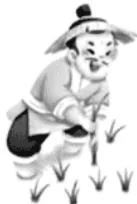
Long long ago, there was a farmer who worked very hard. He was always ____ about different things.
One day, the farmer and his son _25_ rice together. They were happy when all the seeds (种子) were planted. Several days _26_, the seeds grew into the rice. Then he went to watch the _27_ grow every day. Many days passed, but the rice _28_ seemed the same. He began to get worried.
The farmer asked his neighbor for help, “I am worried about my rice. It seems to _29_ growing!” His neighbor replied, “Nature will provide. Be _30_.”
The farmer got worried again. “What if my rice never grows?” He thought and thought, “I must find a _31_ to help my rice grow faster. I think the rice really needs my help. I must do _32_!” The next morning, the farmer ran to the rice _
33____, and pulled the rice up a few inches (英寸) one by one. The next day, the farmer went to the field and found that all the rice was ____. 34____. All the hard work had gone to waste, and there was no rice left to be saved.
四、阅读理解(本大题共23小题,每小题2分,共46分)
A)请阅读下面短文,根据短文内容从每小题所给的 A、B、C、D 四个选项中选出最佳选项,并在答题卡上将该项涂黑。

A
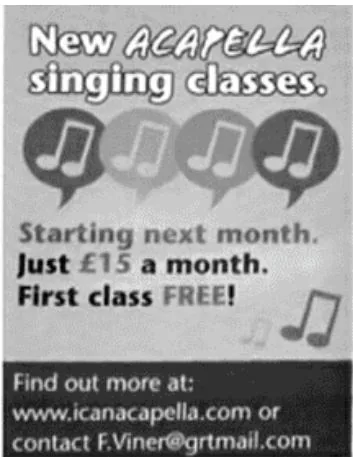

How often will we ride if we join the cycling club? A. Every Sunday morning. B. Every Tuesday afternoon. C. Every Saturday morning. D. Every Monday afternoon.
How much are the singing classes for a month? A. Free. B. £5. C. £15. D. £30.
What can we do to find more about photography classes? A. Call
073580822.
www.icanacapella.com. D. Contact Florence.Bail@newangles.uk.
B
Geoff loves to hike and climb. In May 2024, he went to Oregon to climb to the top of Mountain Hood. He went with his best friend, Adam. They were at 9,400 feet (英尺). It was snowy and cold. Suddenly Geoff fell into a hole. The hole was very
deep. Adam called, “Geoff? Geoff?” but there was no answer. He could not see Geoff. Adam was worried. Was Geoff alive?
Adam quickly went down the mountain to get help. Adam saw three men below. They had a mobile phone. They called the rescue (救援) team. Then the three men went back up the mountain with Adam. They looked into the hole and called Geoff’s name. This time Geoff answered. They knew he was alive. One man named Mike went 65 feet down on a rope. He found Geoff at the bottom.
Geoff could not move his legs. His eye was hurt. He had many injuries (损伤). He was painful, but he was happy to see Mike. Mike put a sleeping bag around him to keep him warm. Two hours later, the Portland Mountain Rescue Team arrived. They went into the hole to bring Geoff up in a special rescue basket. It was a very difficult rescue.
Finally, 20 hours after he fell, Geoff was safe in a hospital. He was there for three weeks. Geoff was very lucky to be alive. Adam visited him every day. Geoff said, “I want to come back to Oregon next May. I still want to climb Mountain Hood.” Adam said, “OK. I want to go with you, and the rescue team does, too!”
What happened to Geoff when he was climbing Mountain Hood? A. He lost his bag. B. He fell into a hole. C. He lost the way. D. He had a headache.
How was Geoff when Mike found him? A. He was sad. B. He was fine. C. He was badly hurt. D. He was asleep.
Put the events about Geoff into the correct order according to the passage. a. He had many injuries. b. He was brought up by the rescue team.
c. He still wanted to climb Mountain Hood. d. He went to climb Mountain Hood with Adam. A. a-b-c-d B. d-c-b-a C. a-d-b-c D. d-a-b-c
Which of the following can best describe the rescue? A. Long and difficult. B. Easy and successful. C. Interesting and relaxing. D. Hopeless and useless.
What does Adam mean at the end of the passage? A. The rescue team likes climbing mountains. B. Geoff should avoid climbing alone to stay safe. C. Climbing mountains with the rescue team is fun. D. Adam wants to make friends with the rescue team.
C
“Going on holiday with blind people opens your eyes,” says Wendy Coley. She often goes on tours with Travel Eyes, a company that takes tourists traveling around the world. For each tour, half of the people can see and half can’t. A person who can see travels with a person who can’t. The world is there for sighted (有视力的) people but that can cause problems for the blind. So, sighted members might describe the size and color of a building, or the smiles of strangers passing by. They might explain the food, “Our lunch is a sandwich in the center of your plate, and chips in a bowl to the right of your plate.”
Clearly, it is good for blind travelers. They are able to learn about new places and make new friends. “You don’t worry about danger any more. That’s really important,” says Jenny Tween, a blind tourist. But it is also of benefit (益处) to sighted travelers. Wendy is one of them. She says that when you describe what you see, you see things in a very different way. The tour manager Hannah Vince agrees, “Sighted people learn a lot from these trips. It’s a two-way thing.” Traveling with blind people and describing the world to them makes sighted people go more slowly and look more closely at colors, shapes, and the sizes of things. Blind people can also help sighted people find more about the smells of food or flowers, and the sounds of music or traffic.
In the end, this isn’t a story about people who can see helping people who can’t. It’s about people with different abilities showing each other new ways of experiencing the world and meeting new friends.
What do we know about tours with Travel Eyes? A. Most of the tourists are blind people. B. They are organized by Wendy Coley. C. A blind person travels with a sighted person. D. Blind people join in the tours at half the price.
What does the underlined word “They” in Paragraph 1 refer to? A. Tourists. B. Strangers. C. Blind people. D. Sighted members.
How does Jenny Tween feel during the tours? A. Safe. B. Sleepy. C. Nervous. D. Surprised.
What benefit do sighted people get from the tours? A. They cook better. B. They walk faster. C. They speak louder. D. They notice more.
What would be the best title for the passage? A. Shared Travel. B. Help Blind People. C. Happy Holiday. D. Travel around the World.
D
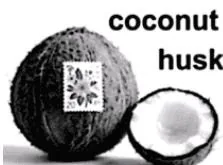
You can put a stamp on it, you can write an address on it, and you can send it through the mail. No, it’s not a package (包裹). It’s the amazing coconut (椰子)! The coconut is different from most other fruits because every part of it is useful. People have been using coconuts in many different ways. Here are some of them.
One exciting use of the coconut is as a kind of energy. Scientists are working on using coconuts for energy because they are cheap and clean. Coconut oil has already been made into fuel (燃料). It can power cars, trucks, ships and many more.
Students at Baylor University find that coconut husks (外壳) can take in water very well. So mixing coconut husks with dry soil (土壤) helps the soil to hold onto more of the water. The students also find that coconut husks can take the place of plastic in some cases. If this is possible, it will help people use less plastic.
The husk of the coconut is a perfect package. It protects the coconut from harm. That’s why some countries allow people to send the coconut without any packaging. Each year, tourists post about 3,000 of these “coconut postcards”.
Coconuts grow naturally in over 80 countries of the world. They require only sun and proper rain. No special care is needed. Every year, more than 61 million tons of coconuts are produced. It is not surprising, then, that people want to find so many uses for the coconut.
Why is the coconut different from most other fruits? A. Stamps can be put on it. B. Every part of it is useful. C. People send it in a package. D. Addresses can be written on it.
What does the underlined word “power” in Paragraph 2 mean? A. Make room for. B. Add value to. C. Provide energy for. D. Put weight on.
In which part of the magazine could we read the passage? A. Story Time. B. History World. C. Sports News. D. Amazing Nature.
What’s the main purpose of the passage? A. To advise people to protect coconuts. B. To ask people to grow more coconuts. C. To show the value and uses of coconuts. D. To introduce a fuel made from coconuts.
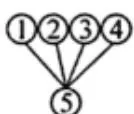
What would be the best structure of the passage?
A.
B.
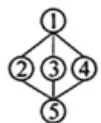
C.
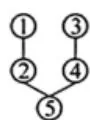
D.
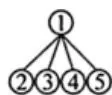
B)请先阅读下面短文,掌握其大意,然后根据短文内容从下面方框内的七个选项中选择五个还原到文中,使短文意思通顺、结构完整,并在答题卡上将其序号涂黑。一空一句。
Plastic pollution is a serious problem, and it’s getting worse. Plastic can stay for a long time. Scientists are trying to create plastic that breaks down quickly, but the best way for now is to use less plastic. _53_
Stop using plastic bags. Instead, take your own reusable shopping bag to the store. Every year, people use tons of plastic bags worldwide. Some countries try to stop using plastic bags. 54
Say no to the straw (吸管). A study showed that around
8.3 billion plastic straws cover the world’s beaches. So when you order a drink, say no to the straw, or bring your own reusable one.
55 Carry a reusable water bottle with you. Around the world, nearly a million plastic bottles are thrown away every minute. The problem is so bad that in some countries, stores aren’t allowed to sell bottled water any more.
Avoid plastic packaging (包装). 56 It’s almost everywhere. But there is something you can do, too: avoid fruit or vegetables packed in plastic.
Recycle what you can. You can’t recycle all plastic things. _57_ For example, you can recycle bottles and milk or juice bags. In some countries, machines take the bottles and give a little money back for each bottle.
A. They are fresh.
B. Don’t buy bottled water.
C. Bottled water is expensive.
D. But it is possible to start small.
E. Here are five tips that can help you.
F. Other countries make customers pay for them.
G. Most things you buy come in plastic packaging.
五、补全对话(本大题共5小题,每小题1分,共5分)
请阅读下面对话,根据对话内容从下面方框内的七个选项中选择五个填入空白处,使对话通顺、合理,意思完整,并在答题卡上将其序号涂黑。一空一句。
(Protein and Tom are talking about their hobbies. P= Protein T= Tom)
T: Hello, Protein!
P: Hi, Tom! You look sporty. 58
T: Yes. I like running.
P: Great! It’s both a sport and a hobby. What else do you do? T: I spend some of my free time on Tai ji with my grandfather. P: Wow! That’s cool. _59_ Tai ji could really help people keep fit.
T: That’s right. What’s your hobby? P: 60
T: Oh, yes. You play it very well. P: 61 It’s my favorite.
T: Maybe we could learn from each other. P: 62 A. Thank you. B. That’s a good idea! C. I’d like to try it, too. D. I like reading books. E. I like playing the violin. F. When do you go running? G. Do you often do exercise?
六、书面表达(15分)
- 今年是“体重管理年”,为了促进“健康中国”建设,学校校刊英语专栏以“Eat Well”为题向学生征文。请你根据下列提示写一篇短文投稿,介绍你的日常饮食、饮食习惯及改进措施。
写作要点:
What do you often have for three meals?
What are your good and bad eating habits?
How can you improve your eating habits?
写作要求:
短文应包括所有写作要点,条理清晰,行文连贯,可适当发挥;
短文中不能出现真实的人名、校名、地名等信息;
短文不少于 80 词。开头已给出,不计入总词数。
Eating well is important for health. ____________________
- B
答案与详细解析
内容说明: 现有资料未包含可核验的完整答案解析,本页暂按残缺资源展示,本站正在核对补充。
准考证号____ 姓名____
机密★启用前
江西省 2025 年初中学业水平考试
英语试题卷说明:1. 本试题卷满分 120 分,考试时间为 120 分钟。
- 请按试题序号在答题卡相应位置作答,答在试题卷或其他位置无效。
一、听力理解(本大题共20小题,每小题1分,共20分)
现在是试听时间。请听一段对话,然后回答问题。
What is the boy going to buy? A. Some juice. B. Some oranges. C. Some apples.
答案是 C。
A)请听下面 5 段对话。每段对话后有一小题,从题中所给的 A、B、C 三个选项中选出最佳选项,并在答题卡上将该项涂黑。听完每段对话后,你都将有 10 秒钟的时间回答有关小题和阅读下一小题。每段对话读两遍。
What club is Allen in? A. The art club. B. The music club. C. The science club.
How much is the cup? A. 15 yuan. B. 16 yuan. C. 17 yuan.
Which season does Bruce like best? A. Spring. B. Summer. C. Autumn.
What is Jack going to play on Saturday? A. Football. B. Ping-pong. C. Baseball.
What does the man mean? A. He likes singing. B. He likes the concert. C. He likes playing the piano.
B)请听下面 4 段对话。每段对话后有几个小题,从题中所给的 A、B、C 三个选项中选出最佳选项,并在答题卡上将该项涂黑。听每段对话前,你将有时间阅读各个小题,每小题 5 秒钟;听完后,各小题给出 5 秒钟的作答时间。每段对话读两遍。
请听第 1 段对话,回答第 6、7 小题。
What does Annie’s mother do? A. A writer. B. A doctor. C. A teacher.
What does Annie often do at home? A. Cook some food. B. Do the dishes. C. Clean the house.
请听第 2 段对话,回答第 8、9 小题。
How will the woman get to the library? A. By subway. B. By bus. C. By bike.
Who is the woman talking to? A. A stranger. B. A classmate. C. A friend.
请听第 3 段对话,回答第 10 至第 12 小题。
What’s the weather like in Wugong Mountain? A. Cold. B. Cool. C. Warm.
Where is Jenny? A. In Shangrao. B. In Ganzhou. C. In Jiujiang.
What are the speakers mainly talking about? A. Vacations. B. Seasons. C. People.
请听第 4 段对话,回答第 13 至第 15 小题。
What do we know about the woman? A. She is bored. B. She is relaxed. C. She is excited.
When does the movie start? A. At 6:00 p. m. B. At 6:30 p. m. C. At 7:00 p. m.
What can we get from the conversation? A. The woman knows the movie well. B. The woman will see the movie alone. C. The man has watched the movie before.
C)请听下面一段独白,根据独白内容完成下列句子,每个空格不超过3个单词。将答案填写到答题卡的相应位置。听独白前你将有50秒钟的时间阅读句子内容。独白读两遍。
The students are going to the new ____ near the school.
They will meet at the school gate at ____ on Saturday morning.
When everyone arrives, they are going there ____.
They’re going to look for different kinds of ____ all morning.
Each student should remember to take a (an) ____.
二、单项填空(本大题共8小题,每小题1分,共8分)
请阅读下面各小题,从题中所给的 A、B、C、D 四个选项中选出可以填入空白
处的最佳选项,并在答题卡上将该项涂黑。
She gets up early every morning. It’s a good ____. A. book B. habit C. tool D. day
It ____ heavily. We are going to get all wet walking outside. A. is raining B. rains C. rained D. was raining
After many years of trying, I ____ achieved my dream. A. finally B. quite C. ever D. especially
Mozart ____ many pieces of beautiful music. That’s why he is so famous. A. enjoyed B. created C. bought D. heard
Students can learn something about history ____ they go to the Marquis of Haihun’s Tomb (海昏侯墓) in Nanchang. A. or B. unless C. whenever D. although
—Lisa, your shoes are dirty. —Oh, just leave them there, Mum. I ____ them with my clothes. A. wash B. will wash C. washed D. have washed
—Dad, could I spend my pocket money on beautiful dresses? —It’s OK. But I think spending it on books is ____. A. less meaningful B. less comfortable C. more meaningful D. more comfortable
—I hear that Jingdezhen Porcelain (瓷器) ____ in Paris last month. —Wow! Good news. A. shows B. has shown C. is shown D. was shown
三、完形填空(本大题共26小题,每小题1分,共26分)
A)请先阅读下面短文,掌握其大意,然后从各小题所给的 A、B、C、D 四个选项中选出可以填入相应空白处的最佳选项,并在答题卡上将该项涂黑。
Li Ying comes from a small village in Jiangxi Province. She is the best women’s soccer player in her university. When she was little, she was very good at ____. She loved to compete (竞争) against boys who were fast and ____. This made her a better player.
When Li Ying was 9 years old, she started playing ____. Her PE teacher thought she was so ____ that he introduced her to the school soccer team. A year later, she was made the ____ of the team because she played the best. She started to push herself more and ____ as much as possible.
Li Ying didn’t ____ any soccer match and went to the sports field every day. Although she was ____, she worked hard for what she really wanted. Li Ying ____ that practice makes perfect. So she kept doing the same move ____ she got it right. Li Ying was the “Best Player of School” for three years ____ her amazing skills.
At the age of 18, Li Ying competed in her last season before graduation (毕业). She trained even ____, and their team won many matches. At last, their team played against Red Star Team. Li Ying’s team was not playing very well at the start, but they didn’t ____. They worked well as a team and kept fighting till the last minute. Finally, Li Ying led her team to ____ the game.
Now Li Ying volunteers to teach young girls soccer in her village every summer holiday. She wants ____ to love sports. She often says, “Everything is possible. Just go for it!” Thanks to Li Ying, more and more young girls fall in love with soccer and sports.
9.
10.
11.
12.
13.
14.
15.
16.
17.
18.
19.
20.
21.
22.
23.
B)请先阅读下面短文,掌握其大意,然后用方框中所给词的适当形式填空,并将答案填写到答题卡的相应位置。每个词限用一次。
rice; patient; field; worried; dead; later; still; something; way; plant; stop
Long long ago, there was a farmer who worked very hard. He was always ____ about different things.
One day, the farmer and his son _25_ rice together. They were happy when all the seeds (种子) were planted. Several days _26_, the seeds grew into the rice. Then he went to watch the _27_ grow every day. Many days passed, but the rice _28_ seemed the same. He began to get worried.
The farmer asked his neighbor for help, “I am worried about my rice. It seems to _29_ growing!” His neighbor replied, “Nature will provide. Be _30_.”
The farmer got worried again. “What if my rice never grows?” He thought and thought, “I must find a _31_ to help my rice grow faster. I think the rice really needs my help. I must do _32_!” The next morning, the farmer ran to the rice _
33____, and pulled the rice up a few inches (英寸) one by one. The next day, the farmer went to the field and found that all the rice was ____. 34____. All the hard work had gone to waste, and there was no rice left to be saved.
四、阅读理解(本大题共23小题,每小题2分,共46分)
A)请阅读下面短文,根据短文内容从每小题所给的 A、B、C、D 四个选项中选出最佳选项,并在答题卡上将该项涂黑。
A
How often will we ride if we join the cycling club? A. Every Sunday morning. B. Every Tuesday afternoon. C. Every Saturday morning. D. Every Monday afternoon.
How much are the singing classes for a month? A. Free. B. £5. C. £15. D. £30.
What can we do to find more about photography classes? A. Call
073580822.
www.icanacapella.com. D. Contact Florence.Bail@newangles.uk.
B
Geoff loves to hike and climb. In May 2024, he went to Oregon to climb to the top of Mountain Hood. He went with his best friend, Adam. They were at 9,400 feet (英尺). It was snowy and cold. Suddenly Geoff fell into a hole. The hole was very
deep. Adam called, “Geoff? Geoff?” but there was no answer. He could not see Geoff. Adam was worried. Was Geoff alive?
Adam quickly went down the mountain to get help. Adam saw three men below. They had a mobile phone. They called the rescue (救援) team. Then the three men went back up the mountain with Adam. They looked into the hole and called Geoff’s name. This time Geoff answered. They knew he was alive. One man named Mike went 65 feet down on a rope. He found Geoff at the bottom.
Geoff could not move his legs. His eye was hurt. He had many injuries (损伤). He was painful, but he was happy to see Mike. Mike put a sleeping bag around him to keep him warm. Two hours later, the Portland Mountain Rescue Team arrived. They went into the hole to bring Geoff up in a special rescue basket. It was a very difficult rescue.
Finally, 20 hours after he fell, Geoff was safe in a hospital. He was there for three weeks. Geoff was very lucky to be alive. Adam visited him every day. Geoff said, “I want to come back to Oregon next May. I still want to climb Mountain Hood.” Adam said, “OK. I want to go with you, and the rescue team does, too!”
What happened to Geoff when he was climbing Mountain Hood? A. He lost his bag. B. He fell into a hole. C. He lost the way. D. He had a headache.
How was Geoff when Mike found him? A. He was sad. B. He was fine. C. He was badly hurt. D. He was asleep.
Put the events about Geoff into the correct order according to the passage. a. He had many injuries. b. He was brought up by the rescue team.
c. He still wanted to climb Mountain Hood. d. He went to climb Mountain Hood with Adam. A. a-b-c-d B. d-c-b-a C. a-d-b-c D. d-a-b-c
Which of the following can best describe the rescue? A. Long and difficult. B. Easy and successful. C. Interesting and relaxing. D. Hopeless and useless.
What does Adam mean at the end of the passage? A. The rescue team likes climbing mountains. B. Geoff should avoid climbing alone to stay safe. C. Climbing mountains with the rescue team is fun. D. Adam wants to make friends with the rescue team.
C
“Going on holiday with blind people opens your eyes,” says Wendy Coley. She often goes on tours with Travel Eyes, a company that takes tourists traveling around the world. For each tour, half of the people can see and half can’t. A person who can see travels with a person who can’t. The world is there for sighted (有视力的) people but that can cause problems for the blind. So, sighted members might describe the size and color of a building, or the smiles of strangers passing by. They might explain the food, “Our lunch is a sandwich in the center of your plate, and chips in a bowl to the right of your plate.”
Clearly, it is good for blind travelers. They are able to learn about new places and make new friends. “You don’t worry about danger any more. That’s really important,” says Jenny Tween, a blind tourist. But it is also of benefit (益处) to sighted travelers. Wendy is one of them. She says that when you describe what you see, you see things in a very different way. The tour manager Hannah Vince agrees, “Sighted people learn a lot from these trips. It’s a two-way thing.” Traveling with blind people and describing the world to them makes sighted people go more slowly and look more closely at colors, shapes, and the sizes of things. Blind people can also help sighted people find more about the smells of food or flowers, and the sounds of music or traffic.
In the end, this isn’t a story about people who can see helping people who can’t. It’s about people with different abilities showing each other new ways of experiencing the world and meeting new friends.
What do we know about tours with Travel Eyes? A. Most of the tourists are blind people. B. They are organized by Wendy Coley. C. A blind person travels with a sighted person. D. Blind people join in the tours at half the price.
What does the underlined word “They” in Paragraph 1 refer to? A. Tourists. B. Strangers. C. Blind people. D. Sighted members.
How does Jenny Tween feel during the tours? A. Safe. B. Sleepy. C. Nervous. D. Surprised.
What benefit do sighted people get from the tours? A. They cook better. B. They walk faster. C. They speak louder. D. They notice more.
What would be the best title for the passage? A. Shared Travel. B. Help Blind People. C. Happy Holiday. D. Travel around the World.
D
You can put a stamp on it, you can write an address on it, and you can send it through the mail. No, it’s not a package (包裹). It’s the amazing coconut (椰子)! The coconut is different from most other fruits because every part of it is useful. People have been using coconuts in many different ways. Here are some of them.
One exciting use of the coconut is as a kind of energy. Scientists are working on using coconuts for energy because they are cheap and clean. Coconut oil has already been made into fuel (燃料). It can power cars, trucks, ships and many more.
Students at Baylor University find that coconut husks (外壳) can take in water very well. So mixing coconut husks with dry soil (土壤) helps the soil to hold onto more of the water. The students also find that coconut husks can take the place of plastic in some cases. If this is possible, it will help people use less plastic.
The husk of the coconut is a perfect package. It protects the coconut from harm. That’s why some countries allow people to send the coconut without any packaging. Each year, tourists post about 3,000 of these “coconut postcards”.
Coconuts grow naturally in over 80 countries of the world. They require only sun and proper rain. No special care is needed. Every year, more than 61 million tons of coconuts are produced. It is not surprising, then, that people want to find so many uses for the coconut.
Why is the coconut different from most other fruits? A. Stamps can be put on it. B. Every part of it is useful. C. People send it in a package. D. Addresses can be written on it.
What does the underlined word “power” in Paragraph 2 mean? A. Make room for. B. Add value to. C. Provide energy for. D. Put weight on.
In which part of the magazine could we read the passage? A. Story Time. B. History World. C. Sports News. D. Amazing Nature.
What’s the main purpose of the passage? A. To advise people to protect coconuts. B. To ask people to grow more coconuts. C. To show the value and uses of coconuts. D. To introduce a fuel made from coconuts.
What would be the best structure of the passage?
A.
B.
C.
D.
B)请先阅读下面短文,掌握其大意,然后根据短文内容从下面方框内的七个选项中选择五个还原到文中,使短文意思通顺、结构完整,并在答题卡上将其序号涂黑。一空一句。
Plastic pollution is a serious problem, and it’s getting worse. Plastic can stay for a long time. Scientists are trying to create plastic that breaks down quickly, but the best way for now is to use less plastic. _53_
Stop using plastic bags. Instead, take your own reusable shopping bag to the store. Every year, people use tons of plastic bags worldwide. Some countries try to stop using plastic bags. 54
Say no to the straw (吸管). A study showed that around
8.3 billion plastic straws cover the world’s beaches. So when you order a drink, say no to the straw, or bring your own reusable one.
55 Carry a reusable water bottle with you. Around the world, nearly a million plastic bottles are thrown away every minute. The problem is so bad that in some countries, stores aren’t allowed to sell bottled water any more.
Avoid plastic packaging (包装). 56 It’s almost everywhere. But there is something you can do, too: avoid fruit or vegetables packed in plastic.
Recycle what you can. You can’t recycle all plastic things. _57_ For example, you can recycle bottles and milk or juice bags. In some countries, machines take the bottles and give a little money back for each bottle.
A. They are fresh.
B. Don’t buy bottled water.
C. Bottled water is expensive.
D. But it is possible to start small.
E. Here are five tips that can help you.
F. Other countries make customers pay for them.
G. Most things you buy come in plastic packaging.
五、补全对话(本大题共5小题,每小题1分,共5分)
请阅读下面对话,根据对话内容从下面方框内的七个选项中选择五个填入空白处,使对话通顺、合理,意思完整,并在答题卡上将其序号涂黑。一空一句。
(Protein and Tom are talking about their hobbies. P= Protein T= Tom)
T: Hello, Protein!
P: Hi, Tom! You look sporty. 58
T: Yes. I like running.
P: Great! It’s both a sport and a hobby. What else do you do? T: I spend some of my free time on Tai ji with my grandfather. P: Wow! That’s cool. _59_ Tai ji could really help people keep fit.
T: That’s right. What’s your hobby? P: 60
T: Oh, yes. You play it very well. P: 61 It’s my favorite.
T: Maybe we could learn from each other. P: 62 A. Thank you. B. That’s a good idea! C. I’d like to try it, too. D. I like reading books. E. I like playing the violin. F. When do you go running? G. Do you often do exercise?
六、书面表达(15分)
- 今年是“体重管理年”,为了促进“健康中国”建设,学校校刊英语专栏以“Eat Well”为题向学生征文。请你根据下列提示写一篇短文投稿,介绍你的日常饮食、饮食习惯及改进措施。
写作要点:
What do you often have for three meals?
What are your good and bad eating habits?
How can you improve your eating habits?
写作要求:
短文应包括所有写作要点,条理清晰,行文连贯,可适当发挥;
短文中不能出现真实的人名、校名、地名等信息;
短文不少于 80 词。开头已给出,不计入总词数。
Eating well is important for health. ____________________
- B
【详解】句意:她每天早上都早起。这是一个好习惯。 考查名词辨析。book 书;habit 习惯;tool 工具;day 天。根据“gets up early every morning” 可知,每天早起是一种好“习惯”,故选 B。
- A
【详解】句意:外面正在下大雨。我们出去走的话会被淋湿的。 考查动词时态。根据“We are going to get all wet walking outside”可知,说话时正在下雨,强调当前正在发生的动作,用现在进行时(am/is/are doing)。故选 A。
- A
【详解】句意:经过多年的努力,我终于实现了我的梦想。 考查副词辨析。finally 终于;quite 相当;ever 曾经;especially 尤其。根据“After many years of trying”可知,此处强调经过长期努力最终实现了梦想的结果,故选 A。
- B
【详解】句意:莫扎特创作许多美妙的音乐作品。这就是他如此出名的原因。 考查动词辨析。enjoyed 享受;created 创作;bought 购买;heard 听到。根据“…many pieces of beautiful music. That’s why he is so famous.”可知,莫扎特是因为创作音乐而出名,故选 B。
- C
【详解】句意:学生们每次去南昌的海昏侯墓都能学到一些历史知识。 考查连词辨析。or 或者;unless 除非;whenever 无论何时,每当;although 虽然。根据“go to the Marquis of Haihun’s Tomb”可知,此处表示“去参观时”能学到历史知识,强调时间关系,故选 C。
- B
【详解】句意:——Lisa,你的鞋子脏了。——哦,就把它们放那儿吧,妈妈。我把它们和衣服一起洗。
考查动词时态。根据“Oh, just leave them there, Mum. I …them with my clothes”可知,此处表示将来要做的动作,需用一般将来时(will do),故选 B。
- C
【详解】句意:——爸爸,我可以用零花钱买漂亮的裙子吗?——可以。但我觉得把钱花在书上更有意义。
考查形容词比较级。less meaningful 不那么有意义的;less comfortable 不那么舒服的;moremeaningful 更有意义的;more comfortable 更舒服的。根据“But I think spending it on books is …”可知,But 表示转折,所以应是父亲认为买书比买裙子更有意义,故选 C。
- D
【详解】句意:——我听说景德镇瓷器上个月在巴黎展出。——哇!好消息。
考查动词时态和语态。根据“last month”可知,动作发生在过去,且主语“Jingdezhen Porcelain”与动词之间是被动关系,所以用一般过去时的被动语态(was/were done)。故选 D。
B
D
A
A
C
D
B
D
C
C
A
B
C
A
D
【导语】本文主要讲述了江西女孩李颖从小热爱运动,通过刻苦训练成为大学最佳女足运动员,并带领团队取得胜利的故事。
- 句意:她小时候很擅长运动。
poems 诗; sports 运动; speech 演讲; housework 家务。根据“She loved to compete (竞争) against boys who were fast and…This made her a better player”可知,她应是擅长运动。故选 B。
- 句意:她喜欢和速度快且强壮的男孩竞争。
pretty 漂亮的;funny 有趣的;lucky 幸运的;strong 强壮的。根据“fast and…”可知,此处需与 fast“快速的”并列描述男孩的身体特征,strong“强壮的”符合竞争场景中对对手体格的描述。故选 D。
- 句意:当李颖9岁时,她开始踢足球。
soccer 足球;tennis 网球;volleyball 排球;basketball 篮球。根据“school soccer team”可知,她加入的是足球队,故此处指开始踢足球。故选 A。
- 句意:她的体育老师认为她非常优秀,于是把她介绍给了学校足球队。
good 优秀的;busy 忙碌的;quiet 安静的;outgoing 外向的。根据“that he introduced her to the school soccer team”可知,老师推荐她入队的原因是她表现优秀。故选 A。
- 句意:一年后,因为她踢得最好,所以被任命为球队的队长。
cook 厨师;nurse 护士;leader 队长;cleaner 清洁工。根据“she played the best”可知,能力最强者担任团队领袖。故选 C。
- 句意:她开始更加严格要求自己,并尽可能多地训练。
ate 吃;slept 睡觉;walked 走路;practiced 训练。根据“push herself more”可知,她应是通过训练提升能力。故选 D。
- 句意:李颖从未错过任何一场足球比赛,每天都去运动场。
like 喜欢;miss 错过;finish 完成;remember 记得。根据“went to the sports field every day” 可知,她坚持到场,故应是从未错过比赛。故选 B。
- 句意:尽管她很疲惫,但仍为真正想要的东西努力奋斗。
shy 害羞的;angry 生气的;moved 感动的;tired 疲惫的。“worked hard”与身体状态形成转折,tired“疲惫的”表示训练后的疲劳感,符合逻辑。故选 D。
- 句意:李颖相信熟能生巧。
hated 讨厌;forgot 忘记;believed 相信;answered 回答。根据“and went to the sports field every day”和“practice makes perfect”可推测出,“熟能生巧”是她的信念,即她相信熟能生巧。故选 C。
- 句意:所以她一直重复同一个动作,直到做对为止。
if 如果; but 但是; until 直到; since 自从。根据“So she kept doing the same move…she got it right” 可知,应是一直重复同一个动作,直到做对为止。故选 C。
- 句意:由于她惊人的球技,李颖连续三年被评为“学校最佳球员”。
because of 由于; instead of 代替; in need of 需要; in control of 控制。根据“Li Ying was the ‘Best Player of School’ for three years…her amazing skills.”可知,空格前后为因果关系,前果后因,故此处应用 because of 表原因。故选 A。
- 句意:她训练得更加刻苦,她们的球队赢了很多比赛。
less 更少;harder 更刻苦;worse 更糟;higher 更高。根据“and their team won many matches” 可知,她训练更加刻苦了。故选 B。
- 句意:李颖的球队一开始表现不佳,但她们没有放弃。
stand up 站起来; wake up 醒来; give up 放弃; stay up 熬夜。根据“kept fighting till the last minute”可知,她们没有放弃。故选 C。
- 句意:最后,李颖带领她的球队赢得了比赛。
win 赢得; start 开始; watch 观看; report 报道。根据“They worked well as a team and kept fighting till the last minute. Finally, Li Ying led her team to…the game.”可知,李颖应是带领球队赢得了比赛。故选 A。
- 句意:她希望她们爱上运动。
her 她;you 你;him 他;them 她们。指代前文“young girls”,用宾格代词 them 作宾语。故选 D。
worried
planted
later
rice
still
stop
patient
way
something
field
dead
【导语】本文主要讲述了一个农民因为过于焦虑而拔苗助长的故事。
句意:他总是为不同的事情担心。根据“He began to get worried.”并结合备选词可知,他应是为不同的事情担心,be worried about“担心”。故填 worried。
句意:一天,农民和儿子一起种水稻。根据“the farmer and his son…rice together.”和备选词可知,农民应是种水稻,plant“种植”符合语境,根据“were”可知,句子时态为一般过去时,故此处应用过去式 planted。故填 planted。
句意:几天后,种子长成了水稻。根据“Several days…the seeds grew into the rice”和备选词可知,应是几天后,种子长成了水稻,此处表示时间推移,later“在……之后”符合语境。故填 later
句意:然后他每天都去看水稻生长。根据“Then he went to watch the…grow”和前文“the seeds grew into the rice”可知,此处指观察水稻生长,rice“水稻”符合语境。故填 rice。
句意:许多天过去了,但水稻似乎仍然没变。根据“but the rice…seemed the same”和备选词可知,此处表转折,强调水稻仍然未生长,still“仍然”符合语境,此处为副词修饰动词 seemed。故填 still。
句意:它好像停止生长了!根据“but the rice…seemed the same”和备选词可知,水稻似乎仍然没变,故农民觉得它是停止生长了,stop“停止”符合语境,seem to do“好像,似乎”。故填 stop。
句意:耐心点。根据“Nature will provide”和备选词可知,邻居应是劝农民耐心一点,patient“耐心的”符合语境,此处为形容词作表语。故填 patient。
句意:我必须找到一个让水稻长得更快的方法。根据“find a…to help my rice grow faster”和备选词可知,农民应是想找到一个让水稻长得更快的方法,way“方法”符合语境,根据“a”可知,此处应用名词单数。故填 way。
句意:我必须做些事情!根据“I think the rice really needs my help”和备选词可知,农民认为自己需要做些事,something“某事”符合语境。故填 something。
句意:第二天早上,农夫跑到稻田里,把水稻一棵一棵往上拔了几英寸。根据“ran to the rice…”和备选词可知,应是跑到稻田里,field“田野”符合语境。故填 field。
句意: 第二天, 农夫去田里发现所有水稻都死了。根据“All the hard work had gone to waste, and there was no rice left to be saved.“和备选词可知,拔苗助长导致水稻死亡,dead“死亡的”符合语境,此处为形容词作表语。故填 dead。
A
C
D
【导语】本文是三则通知,介绍了骑行俱乐部、歌唱课程和摄影课程的相关信息,包括活动时间、费用和联系方式等。
细节理解题。根据图片 1 中的信息“We ride every Sunday morning”可知,骑行活动每周日上午举行。故选 A。
细节理解题。根据图片 2 中的信息“Just £15 a month. First class FREE!”可知,每月费用为 15 英镑。故选 C。
细节理解题。根据图片 3 中的信息“Contact: Florence.Bail@newangles.uk”可知,可通过邮件 Florence.Bail@newangles.uk 联系。故选 D。
B
C
D
A
B
【导语】本文主要讲述了 Geoff 和好友 Adam 在攀登胡德山时,Geoff 不慎跌入深洞并获救的故事。
细节理解题。根据“Suddenly Geoff fell into a hole.”可知,Geoff在攀登时跌入了洞里。故选B。
细节理解题。根据“Geoff could not move his legs. His eye was hurt. He had many injuries (损伤).”可知,Mike 发现他时,Geoff 伤势严重。故选 C。
细节理解题。根据“In May 2024, he went to Oregon to climb to the top of Mountain Hood. He went with his best friend, Adam.”可知, Geoff 与 Adam 去登山, 即 d; 根据“Geoff could not move his legs. His eye was hurt. He had many injuries (损伤).”可知, Geoff 受伤了, 即 a; 根据“Two hours later, the Portland Mountain Rescue Team arrived. They went into the hole to bring Geoff up in a special rescue basket. It was a very difficult rescue.”和“Finally, 20 hours after he fell, Geoff was safe in a hospital”可知, 他被救援队救出, 即 b; 根据“I want to come back to Oregon next May. I still want to climb Mountain Hood.”可知, 他仍然想登胡德山, 即 c。故正确顺序为 d-a-b-c。故选 D。
细节理解题。根据“It was a very difficult rescue.”和“Finally, 20 hours after he fell…”可知,救援漫长且艰难。故选 A。
词句猜测题。根据“‘I want to come back to Oregon next May. I still want to climb Mountain Hood.’ Adam said, ‘OK. I want to go with you, and the rescue team does, too!’”可知,原文最后
Adam 强调“和你一起去”,暗示“避免独自爬山”以确保安全,即 Geoff 应该避免独自攀登以保证安全。故选 B。 43. C
D
A
D
A
【导语】本文主要介绍了 Travel Eyes 公司组织的旅行活动,该活动让视力正常的人和盲人一起旅行,互相帮助,共同体验世界。
细节理解题。根据“For each tour, half of the people can see and half can’t. A person who can see travels with a person who can’t.”可知,每次旅行中,一半的人有视力,一半的人没有。一个有视力的人和一个没有视力的人一起旅行,即盲人和视力正常的人配对旅行。故选 C。
词句猜测题。根据“So, sighted members might describe the size and color of a building, or the smiles of strangers passing by. They might explain the food”可知,视力正常的人可能会描述建筑物的大小和颜色,或者路过的陌生人的微笑。他们也许可以解释食物,故“They”指代的是前文提到的“sighted members”,即有视力的成员。故选 D。
细节理解题。根据“You don’t worry about danger any more. That’s really important,” says Jenny Tween. 可知,Jenny 在旅行中应是感到安全的。故选 A。
细节理解题。根据“Traveling with blind people and describing the world to them makes sighted people go more slowly and look more closely at colors, shapes, and the sizes of things.”可知,与盲人一起旅行并向他们描述世界,让视力正常的人放慢脚步,更仔细地观察颜色、形状和物体的大小,即视力正常的人在旅行中会注意到更多细节。故选 D。
最佳标题题。通读全文并根据“It’s about people with different abilities showing each other new ways of experiencing the world and meeting new friends.”可知,文章的核心是“共享旅行”,强调双方共同受益。故选 A。
B
C
D
C
B
【导语】本文主要介绍了椰子的多种用途和价值,包括作为能源、土壤改良剂、塑料替代品以及天然包装等。
细节理解题。根据“The coconut is different from most other fruits because every part of it is useful.”可知,椰子与其他水果不同之处在于它的每个部分都有用。故选 B。
词句猜测题。根据“Coconut oil has already been made into fuel (燃料). It can power cars, trucks, ships and many more.”可知,椰子油被制成燃料后能为车辆、船只等提供动力,因此“power”意为“提供能源”。故选 C。
推理判断题。通读全文可知,全文围绕椰子的自然属性和多种用途展开,与自然相关。 根据文章内容可推断,最可能出现在杂志的“Amazing Nature”(奇妙自然)板块。故选 D。
主旨大意题。通读全文可知,文章从多个角度(能源、环保、邮寄等)展示了椰子的实用价值,故其主要目的是展示椰子的价值和用途。故选 C。
篇章结构题。通读全文可知,第一段总述椰子特点,第二、三、四段分述其用途(能源、环保、邮寄等),第五段总结产量和实用性,故文章结构为“总—分—总”。故选 B。
E
F
B
G
D
【导语】本文主要介绍了减少塑料污染的五个实用建议。
根据“Scientists are trying to create plastic that breaks down quickly, but the best way for now is to use less plastic.”和下文给出的五个建议可知,首段提出塑料污染问题后,需要过渡到具体建议。选项 E“以下是五个能帮助你的建议”符合语境。故选 E。
根据“Some countries try to stop using plastic bags”可知,一些国家试图停止使用塑料袋,故可推测出,后文应补充其他国家采取的措施。选项 F“其他国家让顾客付费购买塑料袋”符合语境。故选 F。
根据“Carry a reusable water bottle with you. Around the world, nearly a million plastic bottles are thrown away every minute.”可知,后文提到“携带可重复使用的水瓶”,且指出“每分钟有近百万塑料瓶被丢弃”,因此空缺处应与“避免购买瓶装水”相关。选项 B“不要购买瓶装水”符合语境。故选 B。
根据“Avoid plastic packaging (包装)”可知,要避免塑料包装,根据“It’s almost everywhere. But there is something you can do, too: avoid fruit or vegetables packed in plastic.”可知,后文举例“避免购买塑料包装的水果蔬菜”,因此空缺处需说明塑料包装的普遍性。选项 G“你购买的大多数东西都有塑料包装”符合语境。故选 G。
根据“You can’t recycle all plastic things…For example, you can recycle bottles and milk or juice bags.”可知,前文提及并非所有塑料都能回收,后文举例可回收瓶子和牛奶袋,因此空缺处需体现“从小事做起”的转折。选项 D“但可以从小事做起”符合语境。故选 D。
G
C
E
A
B
【导语】本文是 Protein 和 Tom 关于爱好的对话,主要谈论了各自的运动及兴趣爱好。
根据“You look sporty.”和“Yes. I like running.”可知,空格处应询问对方是否经常运动或锻炼。选项 G“你经常锻炼吗?”符合语境。故选 G。
根据“Tai ji could really help people keep fit.”可推测出,Protein 对太极感兴趣,想尝试。
选项 C“我也想尝试它。”符合语境。故选 C。
根据“You play it very well.”可知,此处应介绍 Protein 的爱好,应是乐器或球类等能与 play 搭配的东西。选项 E“我喜欢拉小提琴。”符合语境。故选 E。
根据“You play it very well.”可知,Protein 应对对方的称赞表示感谢。选项 A“谢谢。”符合语境。故选 A。
根据“Maybe we could learn from each other.”可知,此处 Protein 应对 Tom 的提议作出评价,应是认为这是个好主意。选项 B“这是个好主意。”符合语境。故选 B。
例文
Eat Well
Eating well is important for health. In my daily life, I usually have a bowl of porridge, an egg, and some vegetables for breakfast. For lunch, I prefer rice with fish or chicken, along with a bowl of soup. Dinner is similar to lunch, but I sometimes replace rice with noodles.
I have good habits like drinking plenty of water every day and eating lots of fruits, which helps me stay energetic. I also avoid fast food because I know it’s high in fat and salt. However, I have a bad habit of eating snacks late at night, especially chips and chocolate. Sometimes I eat too quickly, which is bad for digestion.
To improve my eating habits, I plan to cut down on snacks and set a fixed time for dinner. I will also try to add more whole grains and less processed food to my meals. Additionally, I’ll practice eating slowly to enjoy each bite and help my body digest better. I believe these changes will make my diet healthier and keep me in good shape.
【详解】[总体分析]
①题材:本文是一篇材料作文;
②时态:时态为“一般现在时”;
③提示:写作要点已给出,考生注意不要遗漏要点。
[写作步骤]
第一步,介绍自己的三餐饮食;
第二步,介绍好的和不好的饮食习惯;
第三步,介绍如何改善自己的饮食习惯。
[亮点词汇]
①along with 和
②be similar to 与……相似
③replace…with…用……替代……
④plenty of 大量的
⑤cut down 削减
[高分句型]
①I have good habits like drinking plenty of water every day and eating lots of fruits, which helps me stay energetic. (which 引导定语从句)
②I also avoid fast food because I know it’s high in fat and salt. (because 引导原因状语从句)
③I believe these changes will make my diet healthier and keep me in good shape. (省略引导词 that 的宾语从句)
离线资料
现有试卷附件
请先查看上方试题、答案和解析状态,再按需要下载附件。