中考
2025年湖北省中考英语
2025年湖北省中考英语,满分30分,题型包括阅读理解,含解析,提供Word下载。
- 年份
- 2025
- 省市
- 湖北
- 科目
- 英语
- 类型
- 试卷
- 状态
- 普通
- 更新时间
- 2026-07-22
试卷信息与训练价值
- 考试年份
- 2025
- 考试地区
- 湖北
- 考试类型
- 初中学业水平考试
- 科目
- 英语
- 满分
- 30 分
- 题型
- 阅读理解
- 答案状态
- 含参考答案
- 解析状态
- 含解析
- 文件格式
- Word
- 适合人群
- 九年级复习、中考真题训练
解析涉及的重点知识:阅读理解、完形填空、书面表达、词汇。
在线试题
2025 年湖北省初中学业水平考试
英语试题
本试题卷共 12 页,满分 120 分,考试用时 130 分钟。注意事项:
答卷前,考生务必将自己的姓名、准考证号填写在试题卷和答题卡上,并将准考证号条形码粘贴在答题卡上指定位置。
选择题的作答: 每小题选出答案后, 用 2B 铅笔把答题卡上对应题目的答案标号涂黑。写在试题卷、草稿纸和答题卡上的非答题区域均无效。
非选择题的作答:用黑色签字笔直接答在答题卡上对应的答题区域内,写在试题卷、草稿纸和答题卡上的非答题区域均无效,作图一律用 2B 铅笔或黑色签字笔。
考试结束后,请将本试题卷和答题卡一并交回。
笔试部分(90分)一、完形填空(共15小题,每小题1分,满分15分)
阅读短文,从每小题所给的四个选项中,选出一个能填入空白处的最佳选项。
“Eliza, Mom and I are going to Italy to have meetings this summer. What would you like to do while we’re away?” asked Eliza’s ____.
“Well,” said Eliza, “I’d rather go with you and Mom.”
“We hope you can come with us, too. ____ we’re going to be so busy that you won’t have any fun. Last week, you mentioned a football camp and Cindy would attend it. Will you ____ her?” Dad asked.
“I’m ____ and not quick on the field. I’m afraid others will ____ me for my bad performance.” Eliza replied in a low voice.
“I know you may feel ____ to go to a new place and meet new people. But I think you’ll do fine,” he ____. “And I’ve seen you play football. You are more talented than you think you are.”
Eliza thought for a moment. “If I can’t go with you, maybe the camp isn’t a bad ____. Cindy is also going. At least I know her.”
When Eliza met Cindy at camp, they hugged and talked ____.
On the first day, the coach asked the girls to pick teams. To Eliza’s ____, her teammates chose her as their leader! That afternoon, they learnt basic skills like running with the ball and ____ it to each other. She tried hard, even though her legs felt shaky (发抖的) during the training.
On the second day, the team ____ more difficult skills. Eliza got surprised again by being the first to finish every task. In the following days, whenever her teammates got tired, she cheered ____ up. With Eliza’s help, everyone ____ quickly.
At the end of the camp, a shy girl named Annie came up to Eliza. “I just wanted to say thank you,” Annie said softly. “Your ____ made me feel much better and helped us all get better, too.”
Eliza couldn’t help laughing. “Oh, Annie,” she said, “I was probably even more nervous than you were!”
1.
2.
3.
4.
5.
6.
7.
8.
9.
10.
11.
12.
13.
14.
15.
二、阅读理解(共20小题,每小题2分,满分40分)
第一节(共15小题,每小题2分,满分30分)
阅读以下三篇短文,从每小题所给的四个选项中,选出一个与短文内容相符的最佳选项。
A
Great trips for each season in Hubei!
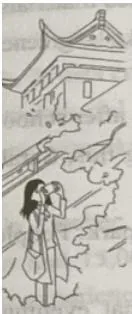 | SpringIn spring, the most popular activity is to enjoy flowers. Come to Wuhan University. There are nearly 200 cherry trees. When cherry blossoms (樱花) all come out in early spring, the university looks like a pink sea. You can walk along Cherry Blossom Avenue and admire old Chinese-style buildings. Besides, you can ride around the East Lake or visit the Yellow Crane Tower. | 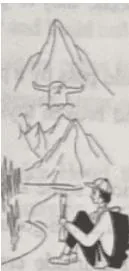 | SummerShennongjia is known as “Natural Oxygen Bar”. It’s wonderful to visit in summer. The weather there is cooler than that in most areas of Hubei. Millions of people visit Shennongjia to get away from the summer heat. You can go hiking (徒步) in thick forests and breathe fresh air. If you’re lucky, you might meet golden monkeys! |
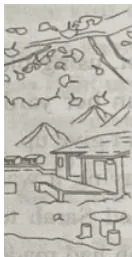 | AutumnSuizhou is famous for the Ginkgo Valley (银杏谷). There are thousands of old ginkgo trees around the villages. When the leaves tum bright yellow in autumn, the valley looks | 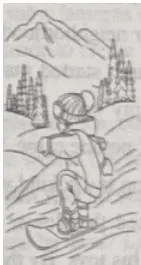 | WinterXianning is great for a holiday in winter. It’s a green city with lots of mountains and hot springs. There is a big ski (滑雪) area at the top of a mountain. Skiing there can |
| like a beautiful painting. Visitors often take photos and collect the colorful leaves. You can also try green food at the villagers’ homes. | be very exciting! When you’re tired, lie back in a hot spring. You can relax, chatting and tasting the local tea. It brings full energy to every visitor. |
Which of the following activities is the most popular in Wuhan in spring? A. Enjoying cherry blossoms. B. Seeing Chinese-style buildings. C. Running along the East Lake. D. Visiting the Yellow Crane Tower.
If a man likes cool weather and nature, where will he go in July? A. Wuhan. B. Xianning. C. Suizhou. D. Shennongjia.
Which season is the best to visit the Ginkgo Valley? A. Spring. B. Summer. C. Autumn. D. Winter.
What can visitors enjoy after skiing in Xianning in winter? A. Local green food. B. Hot springs and tea. C. A hike up the mountain. D. Wild plants and animals.
Where can you most probably read the passage? A. In a science report. B. In a food guide. C. In a travel magazine. D. In a geography textbook.
B
13-year-old Sarah sits in her yard, laying out her handmade crafts (手工制品) on the table. There are baskets, flower pots, and cloth bags—all made from recycled materials. They are not just creative objects; they’re part of Sarah’s project to make a greener community.
Two years ago, Sarah would pass by a park near her house every day after school. Plastic bottles, empty cans, and broken toys littered the roadside. Seeing this, Sarah felt sad.
One afternoon, Sarah noticed some kids selling orange juice at the park. People
stopped to buy it. That was when Sarah got an idea.
“Mom, what if we sell handmade crafts?” she asked excitedly that evening. “Then we can buy trees for our neighborhood with the money!”
With her mom’s help, Sarah started making crafts with great interest, using old boxes, plastic bottles and empty cans. Every day after school, she sat in her yard, waiting for customers. At first, no one came. Sarah felt down, but she didn’t give up.
Later, people began to stop by. A kind woman bought a cloth bag, saying it was perfect for shopping. Kids liked the flower pots, and one boy even asked Sarah to make him a special basket for his toys. By the end of the first month, Sarah had made $150! She bought 30 small trees. Together with her parents, they planted the trees around the park and along the sidewalks.
Now, the neighborhood looks nicer, and the birds have more places to rest. Sarah even teaches her friends how to make eco-friendly (环保的) crafts after school. They organize sales every month to raise money for new projects like bird feeders.
This year, Sarah shared her story at a local community event. “Making a greener community is important,” she said proudly. “If everyone helps a little, we can make our life better.” She believes that no effort is too small when it comes to caring for the environment.
What did Sarah sell to make money? A. Small trees. B. Orange juice. C. Plastic bottles. D. Handmade crafts.
Look at the mind map. Which of the following can be put in ▲?
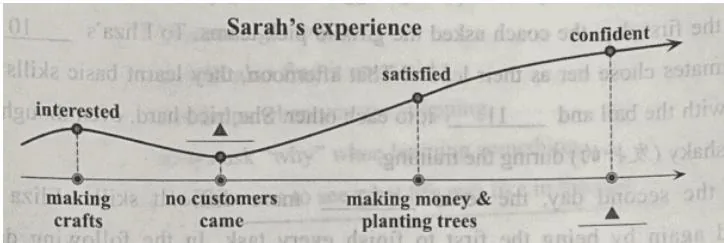
A. sad; sharing her story B. afraid; feeding birds C. bored; caring for nature D. nervous; recycling old boxes
- What can you learn from Sarah’s words in the last paragraph? A. Doing is better than saying. B. Great hopes make great man.
C. The first step is the only difficulty. D. Small actions can make a difference.
Which of the following can best describe Sarah? A. Kind and honest. B. Creative and helpful. C. Strict and friendly. D. Quiet and hard-working.
What is the best title for the passage? A. A Girl’s Dream Job B. A Community Park C. A Girl’s Green Project D. An Eco-friendly Habit
C
Long ago, in ancient China, there was a story about the invention of silk. People believed that silk was first invented by Leizu, the wife of the Yellow Emperor. Leizu learned how to make cocoons (蚕茧) into soft and strong cloth. This magical cloth became known as “silk”, and it was so valuable that it was called “China’s Gold”. Following kings’ orders, the Chinese kept the secret of making silk for centuries.
But then, something amazing happened! During the Han Dynasty, the brave officer Zhang Qian traveled west as far as Central Asia and brought silk there. As years passed by, silk became so important that the trade road from Europe to China got its name—the Silk Road.
The Silk Road became a busy highway for traders who carried things across deserts and mountains. From China, people sold silk and tea. In return, they received treasures such as spices (香料), gold and silver from the West. At the very beginning, it was mainly about trade; then people began to share ideas, technologies and cultures. For example, Chinese inventions like papermaking were spread to the West, while new ideas about math and science came to China.
Most importantly, the Silk Road helped different cultures learn from each other. Art, music and even language were shared along this ancient road. In places like the Dunhuang Grottoes (敦煌石窟) in China, you can see how art pieces combined (融合) Eastern and Western styles into something distinctive. It can not be seen anywhere else.
The story of the Silk Road tells us how people from faraway lands could become friends through trade and shared ideas. Today, we remember the Silk Road as one of the greatest examples of cooperation and exchange in history. It shows us how important it is to learn about and respect each other’s traditions, and that different cultures can work together to create amazing things.

Who invented silk in ancient China? A. Leizu. B. The kings. C. Zhang Qian. D. The Yellow
What was spread from China to the West according to paragraph 3? A. Silk and gold. B. Tea and papermaking. C. Spices and silver. D. New ideas of science.
What is the right order of the following facts from the passage? ① Zhang Qian traveled west with silk. ② Art and language were shared along the Silk Road. ③ Traders from China and the West exchanged things.
④The Chinese were ordered to keep the secret of making silk. A. ①→④→③→② B. ①→③→④→② C. ④→①→③→②
D. ④→③→②→①
What does the underlined word “distinctive” mean in paragraph 4? A. Special. B. Public. C. Popular. D. Strong.
What does the story of the Silk Road mainly tell us? A. The change of world trade. B. The introduction of silk cloth. C. The influence of technology in history. D. The importance of cross-cultural communication.
第二节(共5小题,每小题2分,满分10分)
阅读短文,从所列选项中,选出最佳选项填入对应空白处,使短文通顺、连贯。
(选项中有一项多余)
Learning can be exciting when you follow your curiosity (好奇心)! Scientists say curious students enjoy studying more. They can find ways to make school subjects more enjoyable. Here are four easy ways to start with.
- Ask questions.
31 If you study physics, wonder why light travels faster than sound. When learning Chinese, ask why Tang poems remain so popular in modern China. Questions make learning more active and help you understand better.
- Connect lessons to real life.
Find how school subjects are part of your life. _32_ English is useful when you travel abroad. Geography can explain weather changes and the environment around us. When you find knowledge is practical, you’ll want to learn more.
· 33
Make word cards to play memory games. Put together a puzzle map (拼图) to learn about the shapes of countries. Use apps or online tools to practice spelling and grammar. Learning by doing feels like play, not work.
- Learn outside school.
Join a community center to learn to play a new sport. _34_ Going to a park or a zoo allows you to watch plants and animals carefully while learning about them. Different ways of learning keep your brain excited.
Start with one way today. You’ll find learning useful. _35_ Remember, every subject becomes interesting when you’re curious about it.
A. Develop good habits.
B. Turn learning into games.
C. You will also find it enjoyable.
D. Math helps when you are shopping.
E. Always ask “why” when learning something.
F. Visit museums to see what life was like in the past.
三、短文填空(共10小题,每小题1分,满分10分)
阅读短文,从方框中选出恰当的单词并用其适当形式填空,使短文通顺、意义完整。每空仅填一词,每词仅用一次。
by camera clearly delicious find future great offer rush way
Have you ever used your fingerprint to open a door? Have you ever taken a self-driving taxi on the road? Technologies have brought _36_ changes to our life. Actually, changes can also be _37_ in your school.
“Now, we don’t have to _38_ to the canteen (食堂) as soon as the bell rings,” says Hu Liang, a student from Jiangxi. His school introduced a smart canteen system (系统) this year. Students choose meals online first. When it’s time for their orders, they pick up meals _39_ using facial recognition (人脸识别) technology. The smart canteen _40_ students enjoyable experiences. At the same time, it helps the school plan meals and reduce kitchen waste. Besides providing _41_ food, the smart school also tries to help students develop good living habits.
Recently, a middle school in Chongqing has used four _42_ on the playground to follow students and record how fast they run. They can _43_ see the top ten students on the screen. That adds fun to running and makes students compete in an interesting _44_.
What other exciting technologies could be part of our life in the ____? Let’s look forward to even more changes!
四、读写结合(共两节,满分 25 分)
第一节 任务型阅读(共 5 小题,满分 10 分)
阅读短文,用英文填空或回答问题。(注意每小题的词数要求)
Would you rather live where it snows in winter or enjoy warm sunshine all year round? Some people prefer sunny weather. They think cold winters can be hard- short days make them sleepy and sad. The cold makes them stay inside, exercise less, and get sick easily. However, people in cold places find fun ways to enjoy winter!
In Harbin, China, the Snow and Ice Festival starts in January and lasts until March. Artists cut ice from the Songhua River and build tall sculptures (雕塑) that are lit with colorful lights. By late December, visitors come to see this icy world filled with ice artworks and shining buildings. The beauty surprises them although it’s very cold!
In Quebec, Canada, there’s an amazing Ice Hotel that is made of 2,300 ice blocks and 15,000 tons of snow! People love staying in its icy rooms for a special winter experience.
Even kids in Sweden can enjoy making snow lanterns called Snolykta. They first make large snowballs, and then put candles inside to create warm lights. These simple lanterns light up the dark winter nights.
These creative traditions show how people turn cold winter challenges into beauty and joy! With imagination, they make winter fun for everyone. Although it’s cold, there are so many fun ways to enjoy this special season.
- Why do some people think cold winters can be hard? List two reasons. (列举2项,不超过15词)
47-49. Fill in the blanks according to the passage.
| Places | Activities |
| Harbin, China | Artists: _47_ (不超过6词)Visitors: see the icy world |
| Quebec, _48_ (仅填1词) | People: stay in the Ice Hotel |
| Sweden | Kids: _49_ (不超过5词) |
50 (结合自身实际,不超过20词)
第二节 书面表达(共1题,满分15分)
假如你是王华,你校英语报 Happy Times 正在征集关于本学期社会实践(field trip)方案的意见。请写一封邮件将你的意见发送到指定邮箱。邮件内容包括:
从下面两个方案中挑选一个并说明理由;
为该方案增补两项你喜欢的活动。
| Plan AExploring the FarmReasons: · enjoy nature.Activities: · learn from farmers· pick tomatoes······ | Plan BVisiting the Science ParkReasons: · love science.Activities: · watch robots dancing· learn about space······ |
注意:
根据上图所给提示,适当发挥;
文中不得出现真实姓名和校名;
词数 80 左右,开头和结尾已给出,不计入总词数。
| To:happytimes@school.com |
| From:wanghua@student.com |
| Dear Sir/Madam,I’d like to |
| Best wishes! |
| Send |
第一节 听短对话,选择图片。(共5小题,每小题1.5分,满分7.5分)
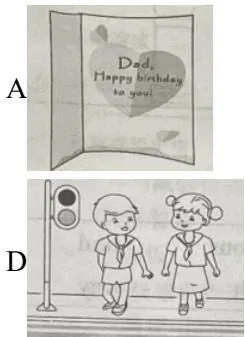
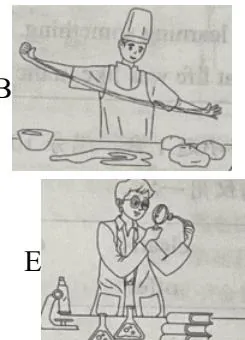
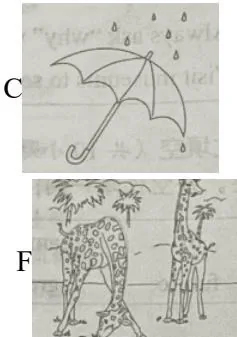
下面你将听到 5 段短对话。根据你所听到的内容,从所给的 A、B、C、D、E、F 六个选项中,选出与你所听内容相符的图片。每段对话听一遍。
A
D
F
| 1._ | 2._ | 3._ | 4._ | 5._ |
第二节 听短对话,选择答案。(共5小题,每小题1.5分,满分7.5分)
下面你将听到 5 段短对话。根据你所听到的内容,从每小题所给的 A、B、C 三个选项中选出回答问题的最佳选项。每段对话听两遍。
What’s the pronunciation of the word? A. /bi:f/ B. /bi:tʃ/ C. /baɪk/
What’s the probable relationship between the speakers? A. Teacher and student. B. Doctor and patient. C. Salesman and customer.
Where is the library? A. In the sports center. B. Next to the white building. C. Across from the white building.
When will the short play be put on?
A. On April 22nd. B. On April 23rd. C. On April 24th.
- What does the boy want to tell his mom? A. He likes noodles. B. He likes tofu soup. C. He likes fish soup with tofu.
第三节 听长对话,选择答案。(共7小题,每小题1.5分,满分10.5分)
下面你将听到 3 段长对话,根据你所听到的内容,从每小题所给的 A、B、C 三个选项中选出回答问题的最佳选项。每段对话听两遍。
听第一段长对话,回答第 11 至 12 小题。
What is the matter with the boy? A. He is tired. B. He has a headache. C. He has a cold.
What’s the girl’s advice? A. Do exercise. B. Go to bed early. C. Listen to music.
听第二段长对话,回答第 13 至 14 小题。
How did the boy’s grandma get information in the past? A. On TV. B. By phone. C. By computer.
What does the boy’s grandma miss most about the past? A. Schools. B. Activities. C. Neighbors.
听第三段长对话,回答第 15 至 17 小题。
What does Ella often do on weekends? A. Go shopping with her parents. B. Have city walks with her friends. C. Make phone calls to her classmates.
Why are Ella’s parents learning Chinese? A. To help Ella. B. To visit China. C. To work in China.
What is the conversation mainly about? A. Ella’s life in China. B. Ella’s parents’ plan. C. Ella’s job in China.
第四节 听短文,填写表格。(共3小题,每小题1.5分,满分4.5分)
下面你将听到一段短文,根据你所听到的内容,填写表格中所缺单词,每空仅填一词。短文听两遍。
| Live Weather Report | |
| Place | Beijing |
| Month | October |
| Weather | cool and 18 |
| Temperature | around 15°C |
| Activity | playing in the park; walking 19; having picnics |
| Advice | 20 a coat or a sweater; drink more water |
B
C
D
A
D
A
B
A
B
D
C
C
B
C
D
答案与详细解析
2025 年湖北省初中学业水平考试
英语试题
本试题卷共 12 页,满分 120 分,考试用时 130 分钟。注意事项:
答卷前,考生务必将自己的姓名、准考证号填写在试题卷和答题卡上,并将准考证号条形码粘贴在答题卡上指定位置。
选择题的作答: 每小题选出答案后, 用 2B 铅笔把答题卡上对应题目的答案标号涂黑。写在试题卷、草稿纸和答题卡上的非答题区域均无效。
非选择题的作答:用黑色签字笔直接答在答题卡上对应的答题区域内,写在试题卷、草稿纸和答题卡上的非答题区域均无效,作图一律用 2B 铅笔或黑色签字笔。
考试结束后,请将本试题卷和答题卡一并交回。
笔试部分(90分)一、完形填空(共15小题,每小题1分,满分15分)
阅读短文,从每小题所给的四个选项中,选出一个能填入空白处的最佳选项。
“Eliza, Mom and I are going to Italy to have meetings this summer. What would you like to do while we’re away?” asked Eliza’s ____.
“Well,” said Eliza, “I’d rather go with you and Mom.”
“We hope you can come with us, too. ____ we’re going to be so busy that you won’t have any fun. Last week, you mentioned a football camp and Cindy would attend it. Will you ____ her?” Dad asked.
“I’m ____ and not quick on the field. I’m afraid others will ____ me for my bad performance.” Eliza replied in a low voice.
“I know you may feel ____ to go to a new place and meet new people. But I think you’ll do fine,” he ____. “And I’ve seen you play football. You are more talented than you think you are.”
Eliza thought for a moment. “If I can’t go with you, maybe the camp isn’t a bad ____. Cindy is also going. At least I know her.”
When Eliza met Cindy at camp, they hugged and talked ____.
On the first day, the coach asked the girls to pick teams. To Eliza’s ____, her teammates chose her as their leader! That afternoon, they learnt basic skills like running with the ball and ____ it to each other. She tried hard, even though her legs felt shaky (发抖的) during the training.
On the second day, the team ____ more difficult skills. Eliza got surprised again by being the first to finish every task. In the following days, whenever her teammates got tired, she cheered ____ up. With Eliza’s help, everyone ____ quickly.
At the end of the camp, a shy girl named Annie came up to Eliza. “I just wanted to say thank you,” Annie said softly. “Your ____ made me feel much better and helped us all get better, too.”
Eliza couldn’t help laughing. “Oh, Annie,” she said, “I was probably even more nervous than you were!”
1.
2.
3.
4.
5.
6.
7.
8.
9.
10.
11.
12.
13.
14.
15.
二、阅读理解(共20小题,每小题2分,满分40分)
第一节(共15小题,每小题2分,满分30分)
阅读以下三篇短文,从每小题所给的四个选项中,选出一个与短文内容相符的最佳选项。
A
Great trips for each season in Hubei!
| SpringIn spring, the most popular activity is to enjoy flowers. Come to Wuhan University. There are nearly 200 cherry trees. When cherry blossoms (樱花) all come out in early spring, the university looks like a pink sea. You can walk along Cherry Blossom Avenue and admire old Chinese-style buildings. Besides, you can ride around the East Lake or visit the Yellow Crane Tower. | | SummerShennongjia is known as “Natural Oxygen Bar”. It’s wonderful to visit in summer. The weather there is cooler than that in most areas of Hubei. Millions of people visit Shennongjia to get away from the summer heat. You can go hiking (徒步) in thick forests and breathe fresh air. If you’re lucky, you might meet golden monkeys! |
| AutumnSuizhou is famous for the Ginkgo Valley (银杏谷). There are thousands of old ginkgo trees around the villages. When the leaves tum bright yellow in autumn, the valley looks | | WinterXianning is great for a holiday in winter. It’s a green city with lots of mountains and hot springs. There is a big ski (滑雪) area at the top of a mountain. Skiing there can |
| like a beautiful painting. Visitors often take photos and collect the colorful leaves. You can also try green food at the villagers’ homes. | be very exciting! When you’re tired, lie back in a hot spring. You can relax, chatting and tasting the local tea. It brings full energy to every visitor. |
Which of the following activities is the most popular in Wuhan in spring? A. Enjoying cherry blossoms. B. Seeing Chinese-style buildings. C. Running along the East Lake. D. Visiting the Yellow Crane Tower.
If a man likes cool weather and nature, where will he go in July? A. Wuhan. B. Xianning. C. Suizhou. D. Shennongjia.
Which season is the best to visit the Ginkgo Valley? A. Spring. B. Summer. C. Autumn. D. Winter.
What can visitors enjoy after skiing in Xianning in winter? A. Local green food. B. Hot springs and tea. C. A hike up the mountain. D. Wild plants and animals.
Where can you most probably read the passage? A. In a science report. B. In a food guide. C. In a travel magazine. D. In a geography textbook.
B
13-year-old Sarah sits in her yard, laying out her handmade crafts (手工制品) on the table. There are baskets, flower pots, and cloth bags—all made from recycled materials. They are not just creative objects; they’re part of Sarah’s project to make a greener community.
Two years ago, Sarah would pass by a park near her house every day after school. Plastic bottles, empty cans, and broken toys littered the roadside. Seeing this, Sarah felt sad.
One afternoon, Sarah noticed some kids selling orange juice at the park. People
stopped to buy it. That was when Sarah got an idea.
“Mom, what if we sell handmade crafts?” she asked excitedly that evening. “Then we can buy trees for our neighborhood with the money!”
With her mom’s help, Sarah started making crafts with great interest, using old boxes, plastic bottles and empty cans. Every day after school, she sat in her yard, waiting for customers. At first, no one came. Sarah felt down, but she didn’t give up.
Later, people began to stop by. A kind woman bought a cloth bag, saying it was perfect for shopping. Kids liked the flower pots, and one boy even asked Sarah to make him a special basket for his toys. By the end of the first month, Sarah had made $150! She bought 30 small trees. Together with her parents, they planted the trees around the park and along the sidewalks.
Now, the neighborhood looks nicer, and the birds have more places to rest. Sarah even teaches her friends how to make eco-friendly (环保的) crafts after school. They organize sales every month to raise money for new projects like bird feeders.
This year, Sarah shared her story at a local community event. “Making a greener community is important,” she said proudly. “If everyone helps a little, we can make our life better.” She believes that no effort is too small when it comes to caring for the environment.
What did Sarah sell to make money? A. Small trees. B. Orange juice. C. Plastic bottles. D. Handmade crafts.
Look at the mind map. Which of the following can be put in ▲?
A. sad; sharing her story B. afraid; feeding birds C. bored; caring for nature D. nervous; recycling old boxes
- What can you learn from Sarah’s words in the last paragraph? A. Doing is better than saying. B. Great hopes make great man.
C. The first step is the only difficulty. D. Small actions can make a difference.
Which of the following can best describe Sarah? A. Kind and honest. B. Creative and helpful. C. Strict and friendly. D. Quiet and hard-working.
What is the best title for the passage? A. A Girl’s Dream Job B. A Community Park C. A Girl’s Green Project D. An Eco-friendly Habit
C
Long ago, in ancient China, there was a story about the invention of silk. People believed that silk was first invented by Leizu, the wife of the Yellow Emperor. Leizu learned how to make cocoons (蚕茧) into soft and strong cloth. This magical cloth became known as “silk”, and it was so valuable that it was called “China’s Gold”. Following kings’ orders, the Chinese kept the secret of making silk for centuries.
But then, something amazing happened! During the Han Dynasty, the brave officer Zhang Qian traveled west as far as Central Asia and brought silk there. As years passed by, silk became so important that the trade road from Europe to China got its name—the Silk Road.
The Silk Road became a busy highway for traders who carried things across deserts and mountains. From China, people sold silk and tea. In return, they received treasures such as spices (香料), gold and silver from the West. At the very beginning, it was mainly about trade; then people began to share ideas, technologies and cultures. For example, Chinese inventions like papermaking were spread to the West, while new ideas about math and science came to China.
Most importantly, the Silk Road helped different cultures learn from each other. Art, music and even language were shared along this ancient road. In places like the Dunhuang Grottoes (敦煌石窟) in China, you can see how art pieces combined (融合) Eastern and Western styles into something distinctive. It can not be seen anywhere else.
The story of the Silk Road tells us how people from faraway lands could become friends through trade and shared ideas. Today, we remember the Silk Road as one of the greatest examples of cooperation and exchange in history. It shows us how important it is to learn about and respect each other’s traditions, and that different cultures can work together to create amazing things.
Who invented silk in ancient China? A. Leizu. B. The kings. C. Zhang Qian. D. The Yellow
What was spread from China to the West according to paragraph 3? A. Silk and gold. B. Tea and papermaking. C. Spices and silver. D. New ideas of science.
What is the right order of the following facts from the passage? ① Zhang Qian traveled west with silk. ② Art and language were shared along the Silk Road. ③ Traders from China and the West exchanged things.
④The Chinese were ordered to keep the secret of making silk. A. ①→④→③→② B. ①→③→④→② C. ④→①→③→②
D. ④→③→②→①
What does the underlined word “distinctive” mean in paragraph 4? A. Special. B. Public. C. Popular. D. Strong.
What does the story of the Silk Road mainly tell us? A. The change of world trade. B. The introduction of silk cloth. C. The influence of technology in history. D. The importance of cross-cultural communication.
第二节(共5小题,每小题2分,满分10分)
阅读短文,从所列选项中,选出最佳选项填入对应空白处,使短文通顺、连贯。
(选项中有一项多余)
Learning can be exciting when you follow your curiosity (好奇心)! Scientists say curious students enjoy studying more. They can find ways to make school subjects more enjoyable. Here are four easy ways to start with.
- Ask questions.
31 If you study physics, wonder why light travels faster than sound. When learning Chinese, ask why Tang poems remain so popular in modern China. Questions make learning more active and help you understand better.
- Connect lessons to real life.
Find how school subjects are part of your life. _32_ English is useful when you travel abroad. Geography can explain weather changes and the environment around us. When you find knowledge is practical, you’ll want to learn more.
· 33
Make word cards to play memory games. Put together a puzzle map (拼图) to learn about the shapes of countries. Use apps or online tools to practice spelling and grammar. Learning by doing feels like play, not work.
- Learn outside school.
Join a community center to learn to play a new sport. _34_ Going to a park or a zoo allows you to watch plants and animals carefully while learning about them. Different ways of learning keep your brain excited.
Start with one way today. You’ll find learning useful. _35_ Remember, every subject becomes interesting when you’re curious about it.
A. Develop good habits.
B. Turn learning into games.
C. You will also find it enjoyable.
D. Math helps when you are shopping.
E. Always ask “why” when learning something.
F. Visit museums to see what life was like in the past.
三、短文填空(共10小题,每小题1分,满分10分)
阅读短文,从方框中选出恰当的单词并用其适当形式填空,使短文通顺、意义完整。每空仅填一词,每词仅用一次。
by camera clearly delicious find future great offer rush way
Have you ever used your fingerprint to open a door? Have you ever taken a self-driving taxi on the road? Technologies have brought _36_ changes to our life. Actually, changes can also be _37_ in your school.
“Now, we don’t have to _38_ to the canteen (食堂) as soon as the bell rings,” says Hu Liang, a student from Jiangxi. His school introduced a smart canteen system (系统) this year. Students choose meals online first. When it’s time for their orders, they pick up meals _39_ using facial recognition (人脸识别) technology. The smart canteen _40_ students enjoyable experiences. At the same time, it helps the school plan meals and reduce kitchen waste. Besides providing _41_ food, the smart school also tries to help students develop good living habits.
Recently, a middle school in Chongqing has used four _42_ on the playground to follow students and record how fast they run. They can _43_ see the top ten students on the screen. That adds fun to running and makes students compete in an interesting _44_.
What other exciting technologies could be part of our life in the ____? Let’s look forward to even more changes!
四、读写结合(共两节,满分 25 分)
第一节 任务型阅读(共 5 小题,满分 10 分)
阅读短文,用英文填空或回答问题。(注意每小题的词数要求)
Would you rather live where it snows in winter or enjoy warm sunshine all year round? Some people prefer sunny weather. They think cold winters can be hard- short days make them sleepy and sad. The cold makes them stay inside, exercise less, and get sick easily. However, people in cold places find fun ways to enjoy winter!
In Harbin, China, the Snow and Ice Festival starts in January and lasts until March. Artists cut ice from the Songhua River and build tall sculptures (雕塑) that are lit with colorful lights. By late December, visitors come to see this icy world filled with ice artworks and shining buildings. The beauty surprises them although it’s very cold!
In Quebec, Canada, there’s an amazing Ice Hotel that is made of 2,300 ice blocks and 15,000 tons of snow! People love staying in its icy rooms for a special winter experience.
Even kids in Sweden can enjoy making snow lanterns called Snolykta. They first make large snowballs, and then put candles inside to create warm lights. These simple lanterns light up the dark winter nights.
These creative traditions show how people turn cold winter challenges into beauty and joy! With imagination, they make winter fun for everyone. Although it’s cold, there are so many fun ways to enjoy this special season.
- Why do some people think cold winters can be hard? List two reasons. (列举2项,不超过15词)
47-49. Fill in the blanks according to the passage.
| Places | Activities |
| Harbin, China | Artists: _47_ (不超过6词)Visitors: see the icy world |
| Quebec, _48_ (仅填1词) | People: stay in the Ice Hotel |
| Sweden | Kids: _49_ (不超过5词) |
50 (结合自身实际,不超过20词)
第二节 书面表达(共1题,满分15分)
假如你是王华,你校英语报 Happy Times 正在征集关于本学期社会实践(field trip)方案的意见。请写一封邮件将你的意见发送到指定邮箱。邮件内容包括:
从下面两个方案中挑选一个并说明理由;
为该方案增补两项你喜欢的活动。
| Plan AExploring the FarmReasons: · enjoy nature.Activities: · learn from farmers· pick tomatoes······ | Plan BVisiting the Science ParkReasons: · love science.Activities: · watch robots dancing· learn about space······ |
注意:
根据上图所给提示,适当发挥;
文中不得出现真实姓名和校名;
词数 80 左右,开头和结尾已给出,不计入总词数。
| To:happytimes@school.com |
| From:wanghua@student.com |
| Dear Sir/Madam,I’d like to |
| Best wishes! |
| Send |
第一节 听短对话,选择图片。(共5小题,每小题1.5分,满分7.5分)
下面你将听到 5 段短对话。根据你所听到的内容,从所给的 A、B、C、D、E、F 六个选项中,选出与你所听内容相符的图片。每段对话听一遍。
A
D
F
| 1._ | 2._ | 3._ | 4._ | 5._ |
第二节 听短对话,选择答案。(共5小题,每小题1.5分,满分7.5分)
下面你将听到 5 段短对话。根据你所听到的内容,从每小题所给的 A、B、C 三个选项中选出回答问题的最佳选项。每段对话听两遍。
What’s the pronunciation of the word? A. /bi:f/ B. /bi:tʃ/ C. /baɪk/
What’s the probable relationship between the speakers? A. Teacher and student. B. Doctor and patient. C. Salesman and customer.
Where is the library? A. In the sports center. B. Next to the white building. C. Across from the white building.
When will the short play be put on?
A. On April 22nd. B. On April 23rd. C. On April 24th.
- What does the boy want to tell his mom? A. He likes noodles. B. He likes tofu soup. C. He likes fish soup with tofu.
第三节 听长对话,选择答案。(共7小题,每小题1.5分,满分10.5分)
下面你将听到 3 段长对话,根据你所听到的内容,从每小题所给的 A、B、C 三个选项中选出回答问题的最佳选项。每段对话听两遍。
听第一段长对话,回答第 11 至 12 小题。
What is the matter with the boy? A. He is tired. B. He has a headache. C. He has a cold.
What’s the girl’s advice? A. Do exercise. B. Go to bed early. C. Listen to music.
听第二段长对话,回答第 13 至 14 小题。
How did the boy’s grandma get information in the past? A. On TV. B. By phone. C. By computer.
What does the boy’s grandma miss most about the past? A. Schools. B. Activities. C. Neighbors.
听第三段长对话,回答第 15 至 17 小题。
What does Ella often do on weekends? A. Go shopping with her parents. B. Have city walks with her friends. C. Make phone calls to her classmates.
Why are Ella’s parents learning Chinese? A. To help Ella. B. To visit China. C. To work in China.
What is the conversation mainly about? A. Ella’s life in China. B. Ella’s parents’ plan. C. Ella’s job in China.
第四节 听短文,填写表格。(共3小题,每小题1.5分,满分4.5分)
下面你将听到一段短文,根据你所听到的内容,填写表格中所缺单词,每空仅填一词。短文听两遍。
| Live Weather Report | |
| Place | Beijing |
| Month | October |
| Weather | cool and 18 |
| Temperature | around 15°C |
| Activity | playing in the park; walking 19; having picnics |
| Advice | 20 a coat or a sweater; drink more water |
B
C
D
A
D
A
B
A
B
D
C
C
B
C
D
【导语】本文主要介绍伊莱扎在营地的经历。
- 句意:“伊莱扎,妈妈和我今年夏天要去意大利参加一些会议。我们不在家的时候,你想做些什么呢?”伊莱扎的父亲问道。
mom 妈妈; dad 爸爸; friend 朋友; coach 教练。根据“Eliza, Mom and I are going to Italy to have meetings this summer.”可知,是伊莱扎的爸爸说的话,故选 B。
- 句意:但我们会非常忙的,那样你就没法玩了。
Or 或者;So 所以;But 但是;And 和。前后两句构成转折关系,用 But 连接,故选 C。
- 句意:你愿意和她一起去吗?
miss 思念; find 发现; visit 参观; join 加入。根据“Last week, you mentioned a football camp and Cindy would attend it. Will you…her?”可知,询问是否愿意和她一起去,故选 D。
- 句意:我性格内向,在场上也不够灵活。
shy 害羞的; friendly 友好的; honest 诚实的; busy 忙碌的。根据“I’m…and not quick on the field.” 可知,伊莱扎说自己很害羞,在场上也不够灵活。故选 A。
- 句意:我担心别人会因为我表现不佳而嘲笑我。
listen to 听;depend on 依靠;look after 照顾;laugh at 嘲笑。根据“I’m afraid others will…me for my bad performance.”可知,担心别人会嘲笑自己,故选 D。
句意:“我知道你可能会因为要去一个陌生的地方、结识新朋友而感到有些担心。但我相信你会做得很好的。”他鼓励道。 worried 担心的;tired 劳累的;safe 安全的;lucky 幸运的。根据“I know you may feel…to go to a new place and meet new people.”可知,要去一个陌生的地方、结识新朋友而感到有些担心,故选 A。
句意:“我知道你可能会因为要去一个陌生的地方、结识新朋友而感到有些担心。但我相信你会做得很好的。”他鼓励道。 joked 开玩笑;encouraged 鼓励;ordered 命令;agreed 同意。根据“But I think you’ll do fine”可知,是鼓励的话,故选 B。
句意:如果我不能和你一起去的话,也许这个营地倒是个不错的选择。 choice 选择; dream 梦想; excuse 借口; reason 原因。根据“If I can’t go with you, maybe the campisn’t a bad…“可知,这个营地倒是个不错的选择,故选 A。
句意:当伊莱扎在营地见到辛迪时,她们相拥而立,愉快地交谈着。 slowly 缓慢地;happily 开心地;carefully 仔细地;simply 简单地。根据“When Eliza met Cindy at camp, they hugged and talked…”可知,她们愉快地交谈着。故选 B。
句意:令伊莱扎惊讶的是,她的队友们竟然选她当了队长!
interest 兴趣;regret 后悔;shame 羞愧;surprise 惊讶。根据“To Eliza’s…, her teammates chose her as their leader!”可知,她的队友们选她当了队长,让伊莱扎很惊讶,故选 D。
- 句意:那天下午,他们学习了一些基本技能,比如带球奔跑以及相互传球。
handing 处理; lending 借出; passing 传递; showing 展示。根据“That afternoon, they learnt basic skills like running with the ball and…it to each other.”可知,相互传球,故选 C。
- 句意:第二天,团队练习了更难的技能。
shared 分享;reported 报道;practiced 练习;compared 比较。根据“On the second day, the team…more difficult skills.”可知,团队练习了更难的技能,故选 C。
句意:在接下来的日子里,每当她的队友们感到疲惫时,她都会鼓舞他们振作起来。 him 他;them 他们;her 她;us 我们。根据“In the following days, whenever her teammates got tired, she cheered…up.”可知,她都会鼓舞队友们振作起来,故选 B。
句意:在伊莱扎的帮助下,每个人都进步得很快。 returned 返回;answered 回答;improved 提升;prepared 准备。根据“With Eliza’s help, everyone…quickly.”可知,每个人都进步得很快,故选 C。
句意:你的支持让我感觉好多了,也帮助我们所有人变得更好了。 story 故事;plan 计划;promise 承诺;support 支持。根据“Your…made me feel much better and helped us all get better, too.”可知,伊莱扎的支持让安妮感觉好多了,故选 D。
A
D
C
B
C
【导语】本文介绍了湖北四季的景色。
细节理解题。根据“In spring, the most popular activity is to enjoy flowers.”可知湖北春天最流行的活动是赏花。故选 A。
推理判断题。根据“The weather there is cooler than that in most areas of Hubei.”可知湖北神农架的温度比其他地方低,所以七月适合去神农架。故选 D。
细节理解题。根据“Autumn Suizhou is famous for the Ginkgo Valley”可知秋天适合去银杏谷。故选 C。
细节理解题。根据“Skiing there can be very exciting! When you’re tired, lie back in a hot spring. You can relax, chatting and tasting the local tea.”可知滑雪之后可以去泡温泉、品茶。故选 B。
推理判断题。本文介绍了湖北四季的景色和景点,因此最有可能出现在旅游杂志。故选C。
D
A
D
B
C
【导语】本文主要讲述了莎拉通过卖手工工艺品来为社区购买小树苗,为鸟类提供更多的休息场所。
细节理解题。根据“Mom, what if we sell handmade crafts?”可知,莎拉卖手工艺品来赚钱,故选 D。
细节理解题。根据“At first, no one came. Sarah felt down, but she didn’t give up.”和“This year, Sarah shared her story at a local community event. ‘Making a greener community is important’ she said proudly.”可知,起初没有人来,萨拉感到很沮丧。后来骄傲地分享自己的故事。故选 A。
推理判断题。根据“If everyone helps a little, we can make our life better.”可知,如果每个人都尽自己的一份力,我们就能让生活变得更美好。选项 D“小小的行动也能产生重大影响”复制相符,故选 D。
推理判断题。根据文章内容可知,莎拉想到用废旧品制作手工艺品卖钱,说明她很有创意;她投身环保工作,说明她乐于助人。故选 B。
最佳标题题。本文主要讲述了莎拉通过卖手工工艺品来为社区购买小树苗,为鸟类提供更多的休息场所。选项 C“一个女孩的绿色计划”符合主题,故选 C。
A
B
C
A
D
【导语】本文介绍了丝绸之路的由来以及跨文化交流的重要性。
细节理解题。根据“People believed that silk was first invented by Leizu, the wife of the Yellow Emperor.”可知丝绸是嫘祖发明的。故选 A。
细节理解题。根据“For China, people sold silk and tea. In return, they received treasures such as spices, gold and silver from the West.”和“For example, Chinese inventions like papermaking were spread to the West,”可知丝绸、茶叶和造纸从中国运到西方。故选 B。
细节理解题。根据第一段“Following kings’ orders, the Chinese kept the secret of making silk for centuries.”可知丝绸制作方法一直是保密的,即④,直到后来“During the Han Dynasty, the brave officer Zhang Qian traveled west as far as Central Asia and brought silk there.“张骞把丝绸带去西方,即①,然后开始有丝绸之路。故选 C。
词句猜测题。根据“you can see how art pieces combined Eastern and Western styles into something distinctive.”可知中西方文化融合会出来特殊的东西。故选 A。
推理判断题。根据“The story of the Silk Road tells us how people from faraway lands could become friends through trade and shared ideas.”可知丝绸之路的故事告诉我们以前的人们会通过贸易和分享成为朋友,因此介绍了跨文化交流的重要性。故选 D。
E
D
B
F
C
【导语】本文主要介绍让学校课程变得更有趣的方法。
根据“Ask questions.”可知,此处建议问问题,选项 E“学习新事物时要经常‘为什么’。”符合语境,故选 E。
根据“Find how school subjects are part of your life.”可知,了解学校课程是如何融入你的生活的,选项 D“在购物时,数学也会很有用。”符合语境,故选 D。
根据“Make word cards to play memory games.”可知,此处建议将学习和游戏联系起来,选项 B“将学习变成游戏。”符合语境,故选 B。
根据“Learn outside school.”可知,此处建议在校外学习,选项 F“参观博物馆,了解过去的生活状况。”符合语境,故选 F。
根据“Remember, every subject becomes interesting when you’re curious about it.”可知,只要你对某个学科充满好奇,那么这个学科就会变得有趣起来。选项 C“你还会发现这很有趣。”符合语境,故选 C。
great
found
rush
by
offers
delicious
cameras
clearly
way
future
【导语】本文主要介绍科技给学校带来的一些变化。
句意:科技给我们的生活带来了巨大的变化。根据“Technologies have brought…changes to our life.”可知,科技给我们的生活带来了巨大的变化,备选词 great“巨大的”符合语境,作定语修饰其后的名词。故填 great。
句意:实际上,在你们的学校里也能发现各种变化。根据“changes can also be…in your school”可知,在学校里也能发现各种变化,备选词 find“发现”符合语境,此处用于被动语态结构中,使用动词过去分词。故填 found。
句意:“现在,铃声一响,我们不必立刻冲向食堂了。根据“we don’t have to…to the canteen (食堂) as soon as the bell rings”可知,铃声一响,我们不必立刻冲向食堂,备选词 rush“冲、奔”符合语境,have to do sth“不得不做某事”。故填 rush。
句意:当到取餐时间时,他们通过人脸识别技术来领取餐食。根据“they pick up meals…using facial recognition (人脸识别) technology”可知,通过人脸识别技术来领取餐食,备选词 by“通过”符合语境。故填 by。
句意:智能食堂为学生们提供了愉快的用餐体验。根据“The smart canteen…students enjoyable experiences.”可知,智能食堂为学生们提供了愉快的用餐体验,备选词 offer“提供”符合语境,时态是一般现在时,主语是第三人称单数,动词用三单。故填 offers。
句意:除了提供美味的食物外,这所智能学校还努力帮助学生养成良好的生活习惯。根据“Besides providing…food, the smart school also tries to help students develop good living habits.”可知,提供美味的食物,备选词 delicious“美味的”符合语境,作定语修饰其后的名词。故填 delicious。
句意:最近,重庆的一所中学在操场上安装了四台摄像机,用来跟踪学生并记录他们的跑步速度。根据“Recently, a middle school in Chongqing has used four…on the playground to follow students and record how fast they run.”可知,安装了四台摄像机,备选词 camera“摄像机”符合语境,four 修饰可数名词复数。故填 cameras。
句意:他们可以在屏幕上清楚地看到排名前十的学生。根据“They can…see the top ten students on the screen.”可知,他们可以在屏幕上清楚地看到排名前十的学生,备选词 clearly“清楚地”符合语境。故填 clearly。
句意: 这为跑步活动增添了乐趣, 并使学生们以一种有趣的方式展开竞争。根据“That adds fun to running and makes students compete in an interesting…”可知, 使学生们以一种有趣的方式展开竞争, 备选词 way“方式”符合语境, an 修饰可数名词单数。故填 way。
句意:未来我们的生活中还会有哪些令人兴奋的新技术呢?根据“What other exciting technologies could be part of our life in the…”可知,此处是介词短语 in the future“在未来”,故填 future。
Because short days make them sleepy and sad.
Canada
cut ice and build tall sculptures
enjoy making snow lanterns
We can do many interesting things during cold winter.
【导语】本文介绍了寒冷冬季的人们也有自己的方式度过。
根据“They think cold winters can be hard—short days make them sleepy and sad. The cold makes them stay inside, exercise less, and get sick easily.”可知冬天的天短会让人困倦和悲伤。故填 Because short days make them sleepy and sad.
根据“In Quebec, Canada, there’s an amazing Ice Hotel that is made of 2,300…”可知魁北克是加拿大的。故填 Canada。
根据“Artists cut ice from the Songhua River and build tall sculptures (雕塑) that are lit with colorful lights..”可知艺术家们从松花江上凿冰,建造高大的雕塑,并用彩灯照亮。故填 cut ice and build tall sculptures。
根据“Even kids in Sweden can enjoy making snow lanterns called Snolykta.”可知即使是瑞典的孩子也喜欢制作雪灯。故填 enjoy making snow lanterns。
根据“Although it’s cold, there are so many fun ways to enjoy this special season.”可知尽管很冷,仍然有很多有趣的方式,开放性试题,合理即可。故填 We can do many interesting things during cold winter.
例文:
Dear Sir/Madam,
I’d like to recommend Plan B (Visiting the Science Park) for our field trip. The reason is that many students, including me, are interested in science and technology. It’s a great chance to explore programming and experiments, which are both educational and fun.
For additional activities, I suggest: Trying a virtual reality (VR) experience to learn about future technologies. Attending a workshop to build simple robots.
These activities will make the trip more wonderful. Looking forward to your reply!
Best wishes!
Yours,
Wang Hua
【详解】[总体分析]
①题材:本文是一篇建议信(电子邮件);
②时态:时态是“一般现在时”;
③提示:需包含选择方案、说明理由和增补活动的三个要点。
[写作步骤]
①第一步:礼貌提出建议(选择 Plan B);
②第二步:说明选择理由(对科技感兴趣);
③第三步:增补两项活动(VR 体验和机器人制作);
④第四步:总结并表达期待。
[亮点词汇]
①science and technology 科技
②programming 编程
③experiments 实验
④educational 有教育意义的
[高分句型]
It’s a great chance to explore programming and experiments, which are both educational and fun.
(It 固定句型, which 引导定语从句)
离线资料
现有试卷附件
请先查看上方试题、答案和解析状态,再按需要下载附件。