中考
2025年福建省中考英语
2025年福建省中考英语,满分30分,题型包括阅读理解、完形填空,逐题解析,提供Word下载。
- 年份
- 2025
- 省市
- 福建
- 科目
- 英语
- 类型
- 试卷
- 状态
- 普通
- 更新时间
- 2026-07-22
试卷信息与训练价值
- 考试年份
- 2025
- 考试地区
- 福建
- 考试类型
- 初中学业水平考试
- 科目
- 英语
- 满分
- 30 分
- 题型
- 阅读理解、完形填空
- 答案状态
- 含参考答案
- 解析状态
- 逐题解析
- 文件格式
- Word
- 适合人群
- 九年级复习、中考真题训练
解析涉及的重点知识:听力、阅读理解、完形填空、书面表达、词汇。
在线试题
英语试题
Ⅰ. 听力(共三节,20小题;每小题
1.5分,满分 30分)
第一节 听下面五个句子,从每小题所给的 A、B、C三幅图中选出与句子内容相关的选项。(每个句子读两遍)
- A.
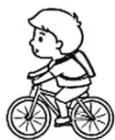
B.
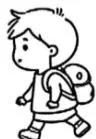
C.
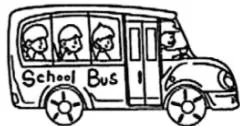
- A.
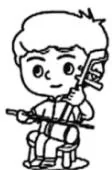
B.
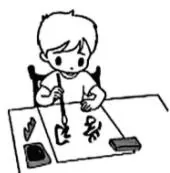
C.
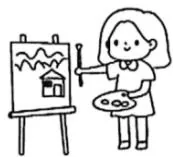
- A.
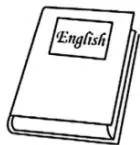
B.

C.

- A.
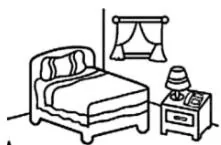
B.
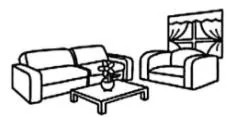
C.
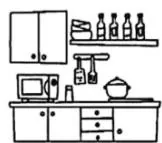
- A.
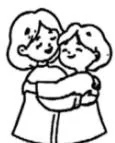
B.
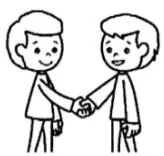
C.
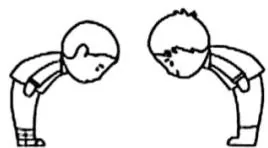
第二节 听下面七段对话,从每小题所给的 A、B、C三个选项中选出正确答案。(每段对话读两遍)
听第1段对话,回答第 6小题。
6. Whose hat is this?
听第2段对话,回答第 7小题。
7. How often does Grace make a study tour?
听第3段对话,回答第 8小题。
8. What time will the speakers watch the movie?
听第4段对话,回答第 9小题。
9. What does Wang Qing think of his trip?
听第5段对话,回答第 10、11小题。
10. What is on sale in the shop?
11. How much is the skirt?
听第6段对话,回答第 12、13小题。
12. Where did Bill get the vegetables from?
13. What are the speakers going to have tonight?
听第7段对话,回答第 14、15小题。
14. What are the speakers mainly talking about?
15. What is the relationship between the speakers?
第三节 听下面短文,根据你所听到的内容,完成以下表格,每空填一词。(短文读三遍)
| Book Cover Design Competition | |
| Time | Before next 16. |
| Prizes | A set of 17 story books. |
| Rules | ◇Use colored 18 only.◇Choose no more than 19 colors.◇ 20 the cover all by yourself. |
Ⅱ. 选择填空(共 15 小题;每小题 1分,满分 15分)
从每小题所给的 A、B、C三个选项中,选出可以填入空白处的最佳答案。
1.—Do you like sports?
—Sure. I am good table tennis. A.of B.at C.to
2. —I am going to meet Miss Chen in two days. —Please send my best wishes to
3. —I’d like to travel to Shandong. —Mount Taishan is a place of interest. You can’t it.
4. AI technology in China has developed than anyone expected.
5. In the art classroom, Li Li cut out a thin wood board in the of Tian’anmen.
6. Since last year, our school free breakfasts to students in need.
7.Harbin held the 9th Asian Winter Games in February
2025.
8. My parents love our hometown so much that of them have gone back to help build a new countryside.
9. Sue looked at her son \_. She couldn’t believe that he won the game.
10.China’s Beijing Library _ “Public Library of the Year” in
2024.
11. —Mom, let’s go to the supermarket. —Wait a moment. It’s to make a shopping list first.
12. —How did you the difficult math problem? —With my teacher’s help.
13.We will attend the tea festival in our town more about tea culture.
A.learning B.to learn C.learned
14. —Have a safe trip to Hangzhou, my dear! —OK, Dad. I’ll give you a call I arrive there.
15. —Could you tell me \_? —This Sunday morning.
Ⅲ. 完形填空(共 10小题;每小题
1.5分,满分 15分)
阅读下面短文,从每小题所给的 A、B、C三个选项中,选出可以填入空白处的最佳答案。
Wen Yan is a doctor of China Medical Team to Africa. She often thought of the fight to Beauty, a baby who was born with only 800 grams. She had weak lungs (肺) and could hardly breathe. It was believed that she couldn’t live long in a hospital necessary equipment (设 备). “But even with the smallest chance, my team and I had to try our best,” said Wen.
To keep the baby , Wen coated Beauty with a soft cloth. The most dangerous moment arrived when Beauty’s heart beat only 30 times a minute. Wen stayed close to Beauty to her for almost five hours. , Beauty was able to breathe by herself.
By the time of her leaving hospital over two months later, Beauty weighed 2,050 grams. The medical team and her family the great moment with laughter and tears. Beauty’s mother held Wen’s hands and said, “I want my daughter to be a doctor like you.”
During her stay in Africa, Wen helped thousands of . Wen traveled to faraway villages under a burning hot sun. she often felt tired after long traveling, she had no time to take a rest, because the local people were lining up for help. They endlessly expressed their for her efforts.
Besides saving lives, Wen’s team also local doctors and nurses every week to better their skills.
16.
17.
18.
19.
20.
21.
22.
23.
24.
25.
Ⅳ. 阅读理解(共两节,25小题;满分 45分)
第一节 阅读下列短文,根据短文内容,从题中所给的 A、B、C、D四个选项中,选出最佳答案。(共 20小题;每小题 2分,满分 40分)
A
The earth is our home. There are some ways that you and your family can use to help the planet and make a difference.
| 1Use less water. | Take shorter showers. A 10-minute shower or a full bathtub (浴缸) can waste a lot of water. Also, turn off the tap as you brush your teeth. Use less water in the garden and let the rain clean cars. |
| 2Avoid wasting food. | Don’t take more than you can eat. About one-third of food in some areas is thrown out or wasted. |
| 3Care and repair. | Take good care of things you own and they will get along life. If they break, try to repair them. If you can’t repair them, call a repairman. Producing new good swill add CO2 to the air. |
| 4Use reusable bags. | Use plastic and paper bags more than once. When you go shopping, use cloth bags instead of plastic bags. |
| 5Use fewer paper cups. | Use reusable cups instead of throwaway paper cups if necessary. If you use more paper cups, you will produce more rubbish. |
26.What can you do to save water?
A.Take shorter showers. B.Bathe in a full bathtub. C.Stop using the tap. D.Clean cars every day.
27. What should you do when something breaks?
28. What does the writer suggest?
29. Which of the following is about reusing things?
30. In which section of a newspaper can you probably read the text?
B
Mary’s uncle Ted was an engineer. He told her great stories about the rockets he helped design, and he often brought Mary science books. He also taught her some knowledge about space. Mary loved technology and science, and she was also adventurous (爱冒险的). For those reasons, Mary’s family kept telling her she should be an astronaut when she grew up, but she just wasn’t sure.
One Saturday, Mary and Uncle Ted went to visit the Science Museum. They watched a show on space travel. Uncle Ted told her something interesting about spaceships and space suits. But she was most interested in two model robot arms and tried operating (操作) them. She stayed there all day and felt very excited.
By the time they got on the bus to return home, Mary was very tired. Closing her eyes, she was thinking about what it would be like to fly into space. As she nearly fell asleep, Mary started to feel the weightlessness that astronauts must feel when they are in zero gravity (重力). The next thing she knew, she was looking out the window not of a bus but of a spaceship. Mary was operating a huge robot arm outside the spaceship. She felt nervous. But she kept at it. Soon she succeeded. She felt proud of herself.
Just then, Mary heard Uncle Ted’s voice. “Wake up, my dear! We’re back home now.”
When she opened her eyes, she realized she had been dreaming, but she knew this for sure—she wanted to be an astronaut one day and couldn’t wait for her first trip into space.
31. What did Uncle Ted do?
32. What interested Mary most in the museum?
33. How did Mary feel in the museum that Saturday?
34. What happened to Mary on her way home?
35. At last Mary decided to be an astronaut because of
C
As we often use eyes to touch nature, most of us “lose” the ability to listen to the world.
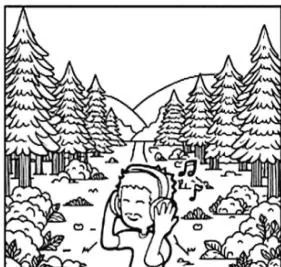
Peter writes music. He likes sounds and uses natural sounds as part of his music. He often went out to the wild with his microphone and recorded interesting sounds to put in movies or to use in his own songs. Instead of trying to capture just the sound of one animal or bird, he recorded the sound of everything all together—the animals, the trees, the wind and the earth. He called these recordings “soundscapes”—the sound of a certain place. Every soundscape Peter recorded had a lot of information.
Back in his workshop, Peter used a computer to make a picture of all the sounds going on in a place. Each animal, bird and insect had its own place on the picture—its own notes in the music. The busier the picture, the richer the life in that place. “While a picture may be worth 1,000 words, a soundscape is worth 1,000 pictures,” Peter said. “Our ears tell us the sound of every leaf and animal and speak to the natural sources (来源) of our lives, which may hold the secrets of love for all things, especially our own humanity.”
But not everything is satisfying. When Peter began recording over forty years ago, he could record for ten hours and get one hour of usable material good enough for a movie. Now, because of human activities, it can take up to 1,000 hours or more to get the same thing. Some of the places he has recorded over the years have slowly fallen silent. His sound pictures show that although nature might look the same to humans, it has lost part of its orchestra (管弦乐队).
So next time you are in the forests, try another way to look—shut your eyes, and listen.
36. Why did Peter record natural sounds?
37. What does the underlined word “capture” in paragraph 2 mean?
38. What is a sound picture in the text?
39. What can we learn from paragraph 4?
40. What does the writer mainly want to tell us?
D
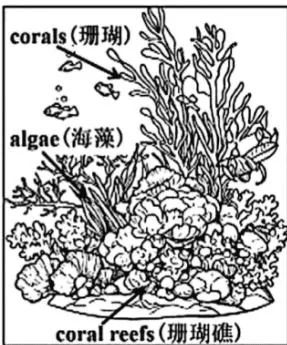
Deep under the Pacific Ocean lie coral reefs colored by some algae that live with corals. Corals usually provide nitrogen (氮) to algae, and in return they get carbon (碳), which gives them energy.
In the early 1980s, a huge heat wave turned more than 90 percent of these corals a pale, lifeless white. And it was believed that about 50 percent of reefs with beautiful corals might disappear by
- Heat waves warmed up the same Pacific waters in the late 1990s and again in 2015—2016, but scientists noticed that these heat waves didn’t influence the reefs as badly as the first. Maybe corals have found a way to adapt (适应).
Swimming to cooler waters is not a good choice for corals, for it makes them easily hurt by the changing climate. But corals are able to adapt. Some turn to those algae that can deal well with heat. Others can use rows of tiny hairs on their bodies to “fan” away too much harmful oxygen (O2) let out by stressed-out algae. Certain baby corals change their own metabolisms (新 陈代谢) in order to fight the warming waters. But all these adaptations can protect themselves only to some degree.
After studying and understanding these adaptations, scientists are trying to find ways to help corals fight. If researchers can make corals accept algae that can deal with heat pressure or if they energize genes (基因) that can deal with heat pressure, it will raise the corals’ chance of living through future ocean heat waves.
“When I go down to the sea and see a beautiful healthy reef with these colorful corals, I feel this pleasure of being in this underwater world,” a famous biologist says. “It will be really sad to see it dead. But that does drive you to want to use your skills and your love to help fight.”
41. What can we know from paragraph 1?
42. What does the underlined part “the first” in paragraph 2 refer to?
43. What difficulty do corals face?
44. What can we infer from the last paragraph?
45. Which would be the best title for the text?
第二节(共 5小题;每小题 1分,满分 5分)
E
阅读下面短文,从短文后所给的五个选项中选出能填入短文空白处的最佳选项,使短文通顺、连贯,意思完整。
Hobbies lead to better health, more sleep, lower pressure and greater life satisfaction. Get joy from your hobby, and you’ll be a better person. 46 Here are some suggestions from experts.
47
Hobbies can help you calm down. An expert suggests asking yourself how you want an activity to make you feel. Relaxed or socially connected? It’s also helpful to consider what your life is missing, like creativity or art skills. ● Start small.
48 Wait for a while to find out if it’s right for you. You can always do more later. It’s also smart not to do something more than you can. If you don’t want to do that, just stop. 49
●Take a trip back in time.
Recall activities you loved when you were young, like singing or collecting things. It’s a really helpful place to start, and it allows you to feel comfortable.
Also, consider going back to school. 50 Or sign up for a lesson at a local community center and learn more about a potential (潜在的) hobby.
Always keep in mind that if a hobby makes you healthier and happier, everyone around you will benefit.
A.But where do we start?
B.Check out classes at university.
C.Ask yourself: How do I want to feel?
D.You get fun from hobbies, not pressure.
E.Don’t spend a lot of time on a new hobby at once.
Ⅴ. 情景交际(共 5小题;每小题 2分,满分 10分)
根据情景提示,用得体的英语完成下列对话。
51.A: Happy New Year!
B: !
52.A: Which sport do you like better, running or swimming?
B:
53.A: is it from your home to school?
B: About five kilometers.
54.A: ?
B: Fine, thank you.
55.A: ?
B: I come from Fujian.
Ⅵ. 看图写话(共 5小题;每小题 2分,满分 10分)
根据每小题所提供的图画情景和提示词,写出一个与图画情景相符的句子。
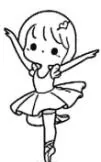
56.now
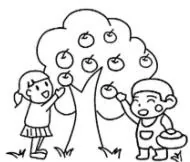
57.pick, next weekend
58.should

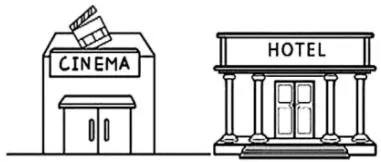
59.there, next to
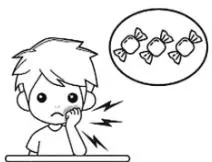
60.because
Ⅶ. 短文填空(共 10小题;每小题 1分,满分 10分)
阅读下面短文,根据语境或所给单词的提示,在每个空格内填入一个恰当的词,要求所填的词意义准确、形式正确,使短文意思完整、行文连贯。
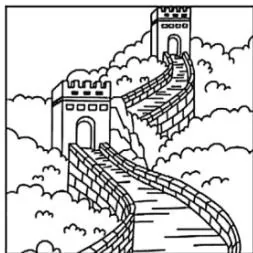
The Great Wall, which is a symbol of our history, snakes across a mountain area of Tianzhu, Gansu province. Thirty-nine protectors work 61 (careful) in the area to protect the great wonder.
With 62 history of over 2,000 years, the wall in Gansu wasn’t in good condition. Nature did great harm to the wall. Some 63 (part) of the wall were washed away by heavy rains and blown away by strong winds. People in some places also harmed it.
But things started to change. In 2006, Great Wall Protection Regulations (条例) 64 (come) into effect. After that, more and more people started to take part 65 caring for the wall. In recent years, the government of Tianzhu has spent more and more money 66 (protect) the wall. Modern technology like self-driven sensing technology 67 drones (无人 机) have also been used to watch the wall.
With all these efforts, the protectors are still busy with the work. Every week they guard the wall, and any changes are well recorded and 68 (report) to the government. They also help people realize it’s important to protect cultural heritage (遗产). Luckily, with 69 (they) hard work, much greater changes have taken place.
“As long as we are here, we will protect this wall. It is our job and our 70 (proud),” said one of the protectors.
Ⅷ. 书面表达(满分 15分)
71.假定你是某校学生李华,近日你校开展了以“共植诚信之树”为主题的活动。请你结合以下提示,用英语给笔友 Henry写一封电子邮件,分享活动内容及感受。词数 80左右。
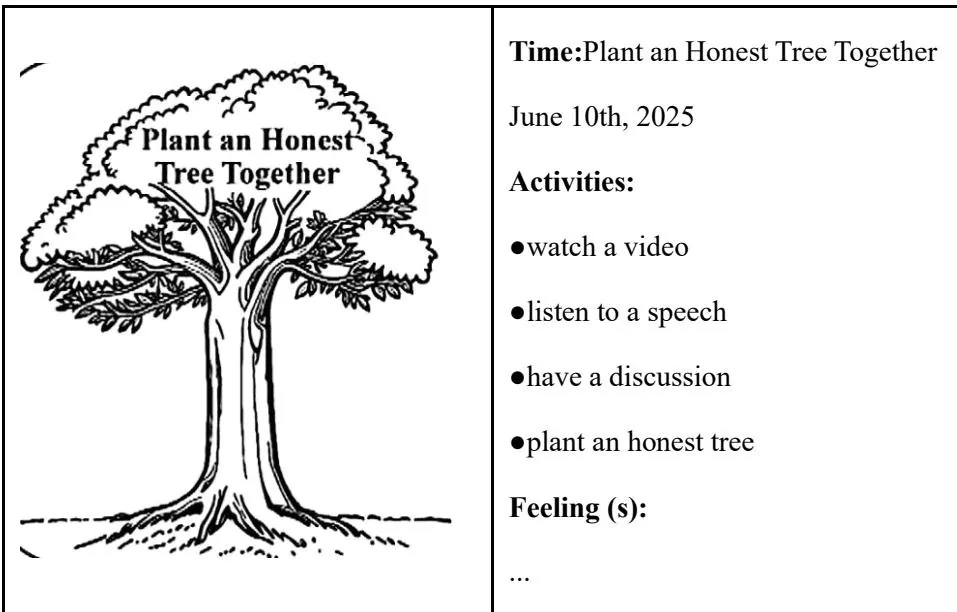
注意事项:1. 必须包含所有提示信息,可适当发挥,开头和结尾已给出,不计入总词数;
意思清楚,表达通顺,行文连贯,书写规范;
请勿在文中使用真实的姓名、校名和地名。
I’m glad to share with you the event “Plant an Honest Tree Together” in our school.
1.B
答案与详细解析
英语试题
Ⅰ. 听力(共三节,20小题;每小题
1.5分,满分 30分)
第一节 听下面五个句子,从每小题所给的 A、B、C三幅图中选出与句子内容相关的选项。(每个句子读两遍)
- A.
B.
C.
- A.
B.
C.
- A.
B.
C.
- A.
B.
C.
- A.
B.
C.
第二节 听下面七段对话,从每小题所给的 A、B、C三个选项中选出正确答案。(每段对话读两遍)
听第1段对话,回答第 6小题。
6. Whose hat is this?
听第2段对话,回答第 7小题。
7. How often does Grace make a study tour?
听第3段对话,回答第 8小题。
8. What time will the speakers watch the movie?
听第4段对话,回答第 9小题。
9. What does Wang Qing think of his trip?
听第5段对话,回答第 10、11小题。
10. What is on sale in the shop?
11. How much is the skirt?
听第6段对话,回答第 12、13小题。
12. Where did Bill get the vegetables from?
13. What are the speakers going to have tonight?
听第7段对话,回答第 14、15小题。
14. What are the speakers mainly talking about?
15. What is the relationship between the speakers?
第三节 听下面短文,根据你所听到的内容,完成以下表格,每空填一词。(短文读三遍)
| Book Cover Design Competition | |
| Time | Before next 16. |
| Prizes | A set of 17 story books. |
| Rules | ◇Use colored 18 only.◇Choose no more than 19 colors.◇ 20 the cover all by yourself. |
Ⅱ. 选择填空(共 15 小题;每小题 1分,满分 15分)
从每小题所给的 A、B、C三个选项中,选出可以填入空白处的最佳答案。
1.—Do you like sports?
—Sure. I am good table tennis. A.of B.at C.to
2. —I am going to meet Miss Chen in two days. —Please send my best wishes to
3. —I’d like to travel to Shandong. —Mount Taishan is a place of interest. You can’t it.
4. AI technology in China has developed than anyone expected.
5. In the art classroom, Li Li cut out a thin wood board in the of Tian’anmen.
6. Since last year, our school free breakfasts to students in need.
7.Harbin held the 9th Asian Winter Games in February
2025.
8. My parents love our hometown so much that of them have gone back to help build a new countryside.
9. Sue looked at her son \_. She couldn’t believe that he won the game.
10.China’s Beijing Library _ “Public Library of the Year” in
2024.
11. —Mom, let’s go to the supermarket. —Wait a moment. It’s to make a shopping list first.
12. —How did you the difficult math problem? —With my teacher’s help.
13.We will attend the tea festival in our town more about tea culture.
A.learning B.to learn C.learned
14. —Have a safe trip to Hangzhou, my dear! —OK, Dad. I’ll give you a call I arrive there.
15. —Could you tell me \_? —This Sunday morning.
Ⅲ. 完形填空(共 10小题;每小题
1.5分,满分 15分)
阅读下面短文,从每小题所给的 A、B、C三个选项中,选出可以填入空白处的最佳答案。
Wen Yan is a doctor of China Medical Team to Africa. She often thought of the fight to Beauty, a baby who was born with only 800 grams. She had weak lungs (肺) and could hardly breathe. It was believed that she couldn’t live long in a hospital necessary equipment (设 备). “But even with the smallest chance, my team and I had to try our best,” said Wen.
To keep the baby , Wen coated Beauty with a soft cloth. The most dangerous moment arrived when Beauty’s heart beat only 30 times a minute. Wen stayed close to Beauty to her for almost five hours. , Beauty was able to breathe by herself.
By the time of her leaving hospital over two months later, Beauty weighed 2,050 grams. The medical team and her family the great moment with laughter and tears. Beauty’s mother held Wen’s hands and said, “I want my daughter to be a doctor like you.”
During her stay in Africa, Wen helped thousands of . Wen traveled to faraway villages under a burning hot sun. she often felt tired after long traveling, she had no time to take a rest, because the local people were lining up for help. They endlessly expressed their for her efforts.
Besides saving lives, Wen’s team also local doctors and nurses every week to better their skills.
16.
17.
18.
19.
20.
21.
22.
23.
24.
25.
Ⅳ. 阅读理解(共两节,25小题;满分 45分)
第一节 阅读下列短文,根据短文内容,从题中所给的 A、B、C、D四个选项中,选出最佳答案。(共 20小题;每小题 2分,满分 40分)
A
The earth is our home. There are some ways that you and your family can use to help the planet and make a difference.
| 1Use less water. | Take shorter showers. A 10-minute shower or a full bathtub (浴缸) can waste a lot of water. Also, turn off the tap as you brush your teeth. Use less water in the garden and let the rain clean cars. |
| 2Avoid wasting food. | Don’t take more than you can eat. About one-third of food in some areas is thrown out or wasted. |
| 3Care and repair. | Take good care of things you own and they will get along life. If they break, try to repair them. If you can’t repair them, call a repairman. Producing new good swill add CO2 to the air. |
| 4Use reusable bags. | Use plastic and paper bags more than once. When you go shopping, use cloth bags instead of plastic bags. |
| 5Use fewer paper cups. | Use reusable cups instead of throwaway paper cups if necessary. If you use more paper cups, you will produce more rubbish. |
26.What can you do to save water?
A.Take shorter showers. B.Bathe in a full bathtub. C.Stop using the tap. D.Clean cars every day.
27. What should you do when something breaks?
28. What does the writer suggest?
29. Which of the following is about reusing things?
30. In which section of a newspaper can you probably read the text?
B
Mary’s uncle Ted was an engineer. He told her great stories about the rockets he helped design, and he often brought Mary science books. He also taught her some knowledge about space. Mary loved technology and science, and she was also adventurous (爱冒险的). For those reasons, Mary’s family kept telling her she should be an astronaut when she grew up, but she just wasn’t sure.
One Saturday, Mary and Uncle Ted went to visit the Science Museum. They watched a show on space travel. Uncle Ted told her something interesting about spaceships and space suits. But she was most interested in two model robot arms and tried operating (操作) them. She stayed there all day and felt very excited.
By the time they got on the bus to return home, Mary was very tired. Closing her eyes, she was thinking about what it would be like to fly into space. As she nearly fell asleep, Mary started to feel the weightlessness that astronauts must feel when they are in zero gravity (重力). The next thing she knew, she was looking out the window not of a bus but of a spaceship. Mary was operating a huge robot arm outside the spaceship. She felt nervous. But she kept at it. Soon she succeeded. She felt proud of herself.
Just then, Mary heard Uncle Ted’s voice. “Wake up, my dear! We’re back home now.”
When she opened her eyes, she realized she had been dreaming, but she knew this for sure—she wanted to be an astronaut one day and couldn’t wait for her first trip into space.
31. What did Uncle Ted do?
32. What interested Mary most in the museum?
33. How did Mary feel in the museum that Saturday?
34. What happened to Mary on her way home?
35. At last Mary decided to be an astronaut because of
C
As we often use eyes to touch nature, most of us “lose” the ability to listen to the world.
Peter writes music. He likes sounds and uses natural sounds as part of his music. He often went out to the wild with his microphone and recorded interesting sounds to put in movies or to use in his own songs. Instead of trying to capture just the sound of one animal or bird, he recorded the sound of everything all together—the animals, the trees, the wind and the earth. He called these recordings “soundscapes”—the sound of a certain place. Every soundscape Peter recorded had a lot of information.
Back in his workshop, Peter used a computer to make a picture of all the sounds going on in a place. Each animal, bird and insect had its own place on the picture—its own notes in the music. The busier the picture, the richer the life in that place. “While a picture may be worth 1,000 words, a soundscape is worth 1,000 pictures,” Peter said. “Our ears tell us the sound of every leaf and animal and speak to the natural sources (来源) of our lives, which may hold the secrets of love for all things, especially our own humanity.”
But not everything is satisfying. When Peter began recording over forty years ago, he could record for ten hours and get one hour of usable material good enough for a movie. Now, because of human activities, it can take up to 1,000 hours or more to get the same thing. Some of the places he has recorded over the years have slowly fallen silent. His sound pictures show that although nature might look the same to humans, it has lost part of its orchestra (管弦乐队).
So next time you are in the forests, try another way to look—shut your eyes, and listen.
36. Why did Peter record natural sounds?
37. What does the underlined word “capture” in paragraph 2 mean?
38. What is a sound picture in the text?
39. What can we learn from paragraph 4?
40. What does the writer mainly want to tell us?
D
Deep under the Pacific Ocean lie coral reefs colored by some algae that live with corals. Corals usually provide nitrogen (氮) to algae, and in return they get carbon (碳), which gives them energy.
In the early 1980s, a huge heat wave turned more than 90 percent of these corals a pale, lifeless white. And it was believed that about 50 percent of reefs with beautiful corals might disappear by
- Heat waves warmed up the same Pacific waters in the late 1990s and again in 2015—2016, but scientists noticed that these heat waves didn’t influence the reefs as badly as the first. Maybe corals have found a way to adapt (适应).
Swimming to cooler waters is not a good choice for corals, for it makes them easily hurt by the changing climate. But corals are able to adapt. Some turn to those algae that can deal well with heat. Others can use rows of tiny hairs on their bodies to “fan” away too much harmful oxygen (O2) let out by stressed-out algae. Certain baby corals change their own metabolisms (新 陈代谢) in order to fight the warming waters. But all these adaptations can protect themselves only to some degree.
After studying and understanding these adaptations, scientists are trying to find ways to help corals fight. If researchers can make corals accept algae that can deal with heat pressure or if they energize genes (基因) that can deal with heat pressure, it will raise the corals’ chance of living through future ocean heat waves.
“When I go down to the sea and see a beautiful healthy reef with these colorful corals, I feel this pleasure of being in this underwater world,” a famous biologist says. “It will be really sad to see it dead. But that does drive you to want to use your skills and your love to help fight.”
41. What can we know from paragraph 1?
42. What does the underlined part “the first” in paragraph 2 refer to?
43. What difficulty do corals face?
44. What can we infer from the last paragraph?
45. Which would be the best title for the text?
第二节(共 5小题;每小题 1分,满分 5分)
E
阅读下面短文,从短文后所给的五个选项中选出能填入短文空白处的最佳选项,使短文通顺、连贯,意思完整。
Hobbies lead to better health, more sleep, lower pressure and greater life satisfaction. Get joy from your hobby, and you’ll be a better person. 46 Here are some suggestions from experts.
47
Hobbies can help you calm down. An expert suggests asking yourself how you want an activity to make you feel. Relaxed or socially connected? It’s also helpful to consider what your life is missing, like creativity or art skills. ● Start small.
48 Wait for a while to find out if it’s right for you. You can always do more later. It’s also smart not to do something more than you can. If you don’t want to do that, just stop. 49
●Take a trip back in time.
Recall activities you loved when you were young, like singing or collecting things. It’s a really helpful place to start, and it allows you to feel comfortable.
Also, consider going back to school. 50 Or sign up for a lesson at a local community center and learn more about a potential (潜在的) hobby.
Always keep in mind that if a hobby makes you healthier and happier, everyone around you will benefit.
A.But where do we start?
B.Check out classes at university.
C.Ask yourself: How do I want to feel?
D.You get fun from hobbies, not pressure.
E.Don’t spend a lot of time on a new hobby at once.
Ⅴ. 情景交际(共 5小题;每小题 2分,满分 10分)
根据情景提示,用得体的英语完成下列对话。
51.A: Happy New Year!
B: !
52.A: Which sport do you like better, running or swimming?
B:
53.A: is it from your home to school?
B: About five kilometers.
54.A: ?
B: Fine, thank you.
55.A: ?
B: I come from Fujian.
Ⅵ. 看图写话(共 5小题;每小题 2分,满分 10分)
根据每小题所提供的图画情景和提示词,写出一个与图画情景相符的句子。
56.now
57.pick, next weekend
58.should
59.there, next to
60.because
Ⅶ. 短文填空(共 10小题;每小题 1分,满分 10分)
阅读下面短文,根据语境或所给单词的提示,在每个空格内填入一个恰当的词,要求所填的词意义准确、形式正确,使短文意思完整、行文连贯。
The Great Wall, which is a symbol of our history, snakes across a mountain area of Tianzhu, Gansu province. Thirty-nine protectors work 61 (careful) in the area to protect the great wonder.
With 62 history of over 2,000 years, the wall in Gansu wasn’t in good condition. Nature did great harm to the wall. Some 63 (part) of the wall were washed away by heavy rains and blown away by strong winds. People in some places also harmed it.
But things started to change. In 2006, Great Wall Protection Regulations (条例) 64 (come) into effect. After that, more and more people started to take part 65 caring for the wall. In recent years, the government of Tianzhu has spent more and more money 66 (protect) the wall. Modern technology like self-driven sensing technology 67 drones (无人 机) have also been used to watch the wall.
With all these efforts, the protectors are still busy with the work. Every week they guard the wall, and any changes are well recorded and 68 (report) to the government. They also help people realize it’s important to protect cultural heritage (遗产). Luckily, with 69 (they) hard work, much greater changes have taken place.
“As long as we are here, we will protect this wall. It is our job and our 70 (proud),” said one of the protectors.
Ⅷ. 书面表达(满分 15分)
71.假定你是某校学生李华,近日你校开展了以“共植诚信之树”为主题的活动。请你结合以下提示,用英语给笔友 Henry写一封电子邮件,分享活动内容及感受。词数 80左右。
注意事项:1. 必须包含所有提示信息,可适当发挥,开头和结尾已给出,不计入总词数;
意思清楚,表达通顺,行文连贯,书写规范;
请勿在文中使用真实的姓名、校名和地名。
I’m glad to share with you the event “Plant an Honest Tree Together” in our school.
1.B
【详解】句意:——你喜欢运动吗?——当然。我乒乓球打得不错。考查介词辨析和形容词短语。of 关于;at 在;to 到。根据“I am good … table tennis.”可知,擅长打乒乓球,此处是 be good at“擅长”。故选B。
2.A
【详解】句意:——我将在两天后去见陈小姐。——请代我向她致以最美好的祝福。考查代词辨析。her她,宾格/她的,物主代词;she她,主格;herself她自己,反身代词。根据“Please send my best wishes to”可知,请代我向她致以最美好的祝福,此处在介词后作宾语,用宾格,故选A。
3.A
【详解】句意:——我想去山东旅游。——泰山是一座名胜古迹。您一定不能错过它。考查动词辨析。miss 错过;reach 到达;change 改变。根据“Mount Taishan is a place of interest.You can’t … it.”可知,不能错过去泰山,故选 A。
4.B
【详解】句意:中国的人工智能技术发展速度远远超出了人们的预期。考查副词比较级。根据“than”可知,此处应使用比较级,故选B。
5.C
【详解】句意:在美术教室里,李丽用一块薄木板做出了天安门的形状。考查名词辨析。place 地点;size 尺寸;shape 形状。根据“Li Li cut out a thin wood board in the …of Tian’anmen.”可知,李丽用一块薄木板做出了天安门的形状,故选 C。
6.B
【详解】句意:从去年开始,我们学校就为贫困学生提供免费早餐了。考查现在完成时。根据“Since last year”可知,此处应使用现在完成时。故选B。
7.C
【详解】句意:2025 年2月,哈尔滨成功举办了第九届亚洲冬季运动会。考查副词辨析。quickly 迅速地;suddenly 突然;successfully 成功地。根据“Harbin held the 9thAsian Winter Games … in February
2025.”可知,哈尔滨成功举办了第九届亚洲冬季运动会。故选C。
8.B
【详解】句意:我的父母非常热爱我们的家乡,因此他们俩都回去帮忙建设新的乡村了。
考查代词辨析。all 三者及以上都;both 两者都;either 两者之一。根据“My parents love our hometown so much that … of them have gone back to help build a new countryside.”可知,此处指 父母二人,故选B。
9.A
【详解】句意:苏惊讶地望着自己的儿子。她简直不敢相信他竟然赢得了比赛。 考查介词短语辨析。in surprise 惊讶地;by mistake 错误地;on purpose 故意地。根据“She couldn’t believe that he won the game.”可知,苏很惊讶,故选 A。
10.B
【详解】句意:中国的北京图书馆在 2024 年荣获“年度公共图书馆”称号。考查一般过去时的被动语态。本句主语是动作的承受者,结合“in 2024”可知,此处用一般过去时的被动语态。故选B。
11.A
【详解】句意:——妈妈,咱们去超市吧。——稍等一下。先列个购物清单是明智之举。考查形容词辨析。wise 明智的;friendly 友好的;difficult 困难的。根据“It’s … to make a shoppinglist first.”可知,去超市前先列个购物清单是明智之举。故选A。
12.A
【详解】句意:——你是怎么解出那道难题的?——在老师的帮助下。考查动词短语辨析。work out 算出;hear about 听说;give up 放弃。根据“How did you … thedifficult math problem?”可知,是解出那道难题,故选 A。
13.B
【详解】句意:我们将参加我们镇上的茶文化节,以进一步了解茶文化。考查非谓语动词。根据“more about tea culture.”可知,此处在句中表示目的,用动词不定式形式,故选B。
14.C
【详解】句意:——亲爱的,祝你前往杭州的旅途平安顺利!——好的,爸爸。我一到那里就会给你打电话的。考查从属连词辨析。until 直到;so that 以便;as soon as 一……就。根据“I’ll give you a call …I arrive there.”可知,一到那里就会给你打电话,用 as soon as引导时间状语从句。故选C。
15.A
【详解】句意:——您能告诉我我们什么时候会在社区开展志愿服务活动吗?——这个星期
天的早上。
考查宾语从句。根据答语“This Sunday morning.”可知,对时间提问,故选 A。
16.C
17.A
18.B
19.A
20.B
21.A
22.B
23.C
24.C
25.B
【导语】本文介绍了中国援非医疗队医生文艳在非洲的工作经历。
16.句意:她常常想起为拯救Beauty 而进行的斗争,她出生时体重仅有800 克。wake 醒来;dress 穿衣;save 拯救。根据“Wen Yan is a doctor of China Medical Team to Africa”可知她是一名医生,所以是拯救那个婴儿。故选 C。
17.句意:人们认为她在缺乏必要设备的医院里活不了多久。
short of 缺乏;filled with 充满;famous for 以……而闻名。根据“she couldn’t live long in a hospital…necessary equipment”可知是在缺乏必要设备的医院里活不了多久。故选 A。
18.句意:为了保暖,文艳用一块柔软的布裹住Beauty。
clever 聪明的;warm 温暖的;lovely 可爱的。根据“Wen coated Beauty with a soft cloth”可知文艳用一块柔软的布裹住Beauty,这样可以保暖。故选B。
19.句意:文艳在Beauty身边照顾她将近五个小时。
look after 照顾;play with 与……一起玩;talk about 谈论。根据“Wen stayed close to Beauty to” 可知是照顾她。故选 A。
20.句意:最后,Beauty能够自己呼吸了。
Clearly 清楚地;Finally 最后;Certainly 当然。根据“Beauty was able to breathe by herself.”可 知最后她可以自己呼吸了。故选 B。
21.句意:医疗队和她的家人用欢笑和泪水庆祝这一伟大时刻。
celebrated 庆祝;forgot 忘记;held 举行。根据“the great moment with laughter and tears”可知 是庆祝这一时刻。故选A。
22.句意:在非洲期间,文艳帮助了数千名患者。
travelers 旅行者;patients 病人;volunteers 志愿者。根据“During her stay in Africa, Wen helped thousands of”可知她帮助了很多病人。故选 B。
23.句意:尽管长途跋涉后她常常感到疲惫,但她没有时间休息,因为当地的人们正在排队等待帮助。
Unless除非;As因为;Though尽管。前后两句是转折关系,用though引导让步状语从句。
故选 C。
24.句意:他们不断地对她的努力表示感谢。interests 兴趣;ideas 想法;thanks 感谢。根据“for her efforts.”可知她帮助当地人,当地人向她表示感谢。故选C。
25.句意:除了拯救生命,文艳的团队还每周培训当地医生和护士,以提高他们的技能。 called 称呼;trained 训练;ordered 命令。根据“local doctors and nurses every week to better their skills.”可知是培训当地医生和护士,以提高他们的技能。故选 B。
26.A
27.B
28.A
29.D
30.D
【导语】本文介绍了有关保护地球的小建议。
26.细节理解题。根据“Take shorter showers.”可知快速洗浴可以节约用水。故选 A。
27.细节理解题。根据“If they break, try to repair them.”可知如果东西坏了,要尝试修一下。 故选B。
28.细节理解题。根据“Use reusable cups instead of throwaway paper cups if necessary.”可知,作者建议用可重复使用杯子,少用纸杯。故选A。
29.推理判断题。5 个建议中 Use reusable bags.和 Use fewer paper cups.是有关再利用的建议。故选 D。
30.推理判断题。根据“ The earth is our home. There are some ways that you and your family can use to help the planet and make a difference.”可知文章有关环保,应该在“环境”板块。 故选D。
31.B
32.A
33.A
34.C
35.D
【导语】本文讲述了 Mary和她的叔叔Ted 去科学博物馆参观,在回家的路上,Mary做了一个梦,梦到自己在太空中操作一个巨大的机械臂,感到非常自豪,这个经历让 Mary坚定了成为宇航员的决心。
31.细节理解题。根据“Mary’s uncle Ted was an engineer.”可知他是一名工程师。故选 B。
32.细节理解题。根据“But she was most interested in two model robot arms”可知 Mary 对两个 模型机械臂最感兴趣。故选 A。
33.细节理解题。根据“She stayed there all day and felt very excited.”可知她感到很兴奋。故 选A。
34.细节理解题。根据“As she nearly fell asleep, Mary started to feel the weightlessness that astronauts must feel when they are in zero gravity”可知 Mary 在回家的路上做了一个美好的梦。
故选 C。
35.推理判断题。根据“When she opened her eyes, she realized she had been dreaming, but she knew this for sure—she wanted to be an astronaut one day and couldn’t wait for her first trip into space.”以及上文内容可知Mary决定成为宇航员是因为她在博物馆的经历和她做的梦。故选 D。
36.C
37.B
38.D
39.C
40.B
【导语】本文主要讲述了Peter通过录制自然声音来创作音乐,并强调了自然声音的丰富性和重要性。
36.细节理解题。根据“He often went out to the wild with his microphone and recorded interesting sounds to put in movies or to use in his own songs.”可知,Peter 录制自然声音是为了在他的音 乐中使用这些声音。故选C。
37.词句猜测题。根据“Instead of trying to capture just the sound of one animal or bird, he recorded the sound of everything all together—the animals, the trees, the wind and the earth”可知 他没有试图只捕捉一种动物或鸟类的声音,而是把所有东西的声音都记录下来,故此处划线 部分意为“捕捉”,和catch 意义相近。故选B。
38.细节理解题。根据“Peter used a computer to make a picture of all the sounds going on in a place. Each animal, bird and insect had its own place on the picture—its own notes in the music” 可知“sound picture”是指用计算机制作的包含某个地方所有声音的图片,即包含自然声音的 音乐图片。故选D。
39.细节理解题。根据“Now, because of human activities, it can take up to 1,000 hours or more to get the same thing. Some of the places he has recorded over the years have slowly fallen silent.”可 知由于人类活动的影响,一些自然声音已经逐渐消失。故选C。
40.主旨大意题。本文主要讲述了 Peter通过录制自然声音来创作音乐,并强调了自然声音的丰富性和重要性,所以文章主要告诉我们大自然有奇妙的声音。故选B。
41.C
42.A
43.A
44.C
45.B
【导语】本文主要介绍了珊瑚礁在面对热浪时的适应方式以及科学家如何帮助珊瑚礁生存。
41.推理判断题。根据“Corals usually provide nitrogen (氮) to algae, and in return they get carbon(碳), which gives them energy.”可知珊瑚通常为藻类提供氮,作为回报,它们获得碳,这为它们提供了能量,可见珊瑚和藻类相互依赖。故选C。
42.词义猜测题。根据“In the early 1980s, a huge heat wave turned more than 90 percent of these corals a pale, lifeless white”以及“but scientists noticed that these heat waves didn’t influence the reefs as badly as the first.”可知这些热浪对珊瑚礁的影响并不像第一次那么严重,故此处“the first”指代的是1980年代初的热浪。故选A。
43.推理判断题。根据“But all these adaptations can protect themselves only to some degree.”可知所有这些适应只能在一定程度上保护自己,可见珊瑚不能完全适应热浪。故选A。
44.推理判断题。根据“It will be really sad to see it dead. But that does drive you to want to use your skills and your love to help fight”可知看到珊瑚死亡很伤心,这让我们想要帮助它们,即 我们应该尽最大努力拯救珊瑚。故选C。
45.最佳标题题。本文主要介绍了珊瑚礁在面对热浪时的适应方式以及科学家如何帮助珊瑚礁生存,以选项B“珊瑚反击”为标题最合适。故选B。
46.A
47.C
48.E
49.D
50.B
【导语】本文主要介绍了如何开始一个爱好。
46.根据“Here are some suggestions from experts.”以及文章内容可知,本文主要介绍了如何开始一个爱好,选项 A“但我们从哪里开始呢”符合语境。故选A。
47.根据“An expert suggests asking yourself how you want an activity to make you feel”可知一位专家建议问问自己,你希望一项活动给你带来什么样的感受,选项C“问问自己:我想要什么感觉”符合语境。故选C。
48.根据“Wait for a while to find out if it’s right for you. You can always do more later.”可知不要花费太长时间,要等一会儿,看看它是否适合你,选项E“不要一下子把很多时间花在一个新爱好上”符合语境。故选E。
49.根据“If you don’t want to do that, just stop”可知如果你不想那样做,就停下来,毕竟要从爱好中得到快乐,选项D“你从爱好中获得乐趣,而不是压力”符合语境。故选D。
50.根据“Also, consider going back to school”可知考虑回学校,选项 B“查看大学的课程”符合语境。故选B。
51.Happy New Year【详解】根据“Happy New Year!”可知此处也祝福对方“新年快乐”。故填 Happy New Year。
52.Running/Swimming【详解】本题询问更喜欢跑步还是游泳,选择一个回答即可,故填Running/Swimming。
53.How far【详解】根据答语“About five kilometers.”可知,对距离提问。故填 How far。
54.How are you
【详解】根据答语“Fine, thank you.”可知,询问对方“好吗”,故填 How are you。
55.Where do you come from
【详解】根据“I come from Fujian.”可知此处询问对方来自哪里,疑问词是where,句子用一 般现在时,主语是 you,助动词用 do;come from“来自”。故填 Where do you come from。
56.The girl is dancing now.
57.They will pick apples next weekend.
58.You shouldn’t take photos.
59.There is a cinema next to the hotel.
60.The boy had a toothache because he ate too many candies.
【解析】56.根据提示单词和图片内容可知,句子可表达为“这个女孩现在正在跳舞”,时态为现在进行时,即谓语动词应用 be doing的结构,由于主语为 the girl“这个女孩”,故 be动词用 is。“跳舞”dance,其现在分词为 dancing。故填 The girl is dancing now.
57.根据提示单词和图片内容可知,句子可表达为“他们下周末将去摘苹果”,句子时态为一般将来时,故谓语动词应用 will do 的结构。“他们”they;“摘苹果”pick apples;“下周末”nextweekend。故填 They will pick apples next weekend.
58.根据提示单词和图片内容可知,句子可表达为“你不应该拍照”。“你”you;“不应该做某事”shouldn’t do sth:“拍照”take photos。故填 You shouldn’t take photos.
59.根据提示单词和图片内容可知,句子可表达为“这个旅馆旁边有一个电影院”。“有”therebe;“一个电影院”a cinema;“在……旁边”next to;“这个旅馆”the hotel。结合语境可知,句子时态为一般现在时,主语为 a cinema,故 be 动词用 is。故填 There is a cinema next to the hotel.
60.根据提示单词和图片内容可知,句子可表达为“这个男孩牙痛,因为他吃了太多的糖果”。“这个男孩”the boy;“牙痛”have a toothache;“因为”because;“他”he;“吃”eat;“太多糖果”toomany candies。结合语境可知,动作发生在过去,故时态应用一般过去时,此处 because引导原因状语从句。故填 The boy had a toothache because he ate too many candies.
61.carefully
62.a
63.parts
64.came
65.in
66.protecting
67.and
68.reported
69.their
70.pride
【导语】本文主要介绍了甘肃天祝县的长城保护工作。
61.句意:39名保护者在这个地区认真地工作,以保护这一伟大的奇迹。此处修饰动词 work用副词 carefully“认真地”。故填 carefully。
62.句意:有着超过2000年历史的甘肃长城状况不佳。with a history of“有……的历史”。故
填 a。
63.句意:长城的一些部分被大雨冲走,被强风吹走。some后加可数名词复数parts“部分”。故填 parts。
64.句意:2006年,《长城保护条例》开始生效。根据“In 2006”可知句子用一般过去时,动词用过去式。故填came。
65.句意:此后,越来越多的人开始参与保护长城的工作。take part in“参加”。故填in。
66.句意:近年来,天祝县政府投入了越来越多的资金来保护长城。protect“保护”,spend timedoing sth.“花费时间做某事”。故填 protecting。
67.句意:自动驾驶感应技术和无人机等现代技术也被用来监控长城。“self-driven sensingtechnology”和“drones”是并列关系,用 and 连接。故填 and。
68.句意:每周他们都守护着长城,任何变化都被详细记录并报告给政府。此处动词 report和主语any changes 之间是被动关系,故此处用过去分词和 be 动词构成被动语态。故填reported。
69.句意:幸运的是,通过他们的努力,发生了更大的变化。修饰空后的名词,用形容词性物主代词 their“他们的”。故填 their。
70.句意:这是我们的工作,也是我们的骄傲。形容词性物主代词 our后加名词 pride“骄傲”,不可数名词。故填pride。
71.例文
Dear Henry,
I’m glad to share with you the event “Plant an Honest Tree Together” in our school.
It was held on June 10th,
- First, we watched a video about our school model students, who always tell the truth and help others. Then, we listened to a speech about the importance of being honest. After that, we had a discussion on how to take action in our daily life and all promised to be honest in competitions and examinations. At last, we planted an honest tree in our school.
We all think the event is educational and we will take good care of the tree.
Best wishes!
Yours,
Li Hua
【详解】[总体分析]
①题材:本文是一封电子邮件;
②时态:时态为“一般现在时”和“一般过去时”;
③提示:文章为第一人称,介绍活动的过程和感悟,不可遗漏提示信息,适当增加细节。
[写作步骤]
第一步,介绍活动内容;
第二步,介绍感受。
[亮点词汇]
①tell the truth 说实话
②the importance of………的重要性
③take action 采取行动
④at last 最终,最后
⑤take care of 照顾
[高分句型]
①First, we watched a video about our school model students, who always tell the truth and help others.(who 引导定语从句)
离线资料
现有试卷附件
请先查看上方试题、答案和解析状态,再按需要下载附件。