中考
2024年内蒙古包头市中考英语
2024年内蒙古包头市中考英语,满分120分,题型包括阅读理解,逐题解析,提供Word下载。
- 年份
- 2024
- 省市
- 内蒙古
- 城市
- 包头
- 科目
- 英语
- 类型
- 试卷
- 状态
- 精品
- 更新时间
- 2026-07-22
试卷信息与训练价值
- 考试年份
- 2024
- 考试地区
- 内蒙古 · 包头
- 考试类型
- 初中学业水平考试
- 科目
- 英语
- 满分
- 120 分
- 题型
- 阅读理解
- 答案状态
- 答案完整
- 解析状态
- 逐题解析
- 文件格式
- Word
- 适合人群
- 九年级复习、中考真题训练
解析涉及的重点知识:听力、阅读理解、书面表达、词汇。
在线试题
2024 年初中学业水平考试卷
英语
注意事项:
本试卷共 12 页,满分 120 分。考试时间为 120 分钟。
答题前,考生务必先将自己的考生号、姓名、座位号等信息填写在试卷和答题卡的指定位置。请认真核对条形码上的相关信息后,将条形码粘贴在答题卡的指定位置。
答题时,将答案写在答题卡上。写在本试卷上无效。
考试结束后,将本试卷和答题卡一并交回。
第一部分 听力(共两节,20分)
听录音,根据各题要求选择最佳答案,并将答题卡上对应题目的答案标号涂黑。每项内容读两遍。
第一节(共5小题;每小题1分,共5分)
听下面 5 段对话,根据你听到的内容选出相应的图片。
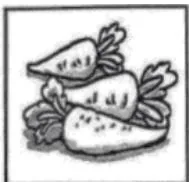
A

B
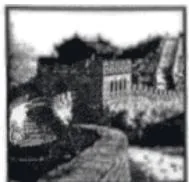
C
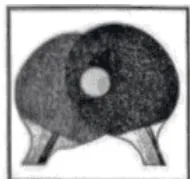
D
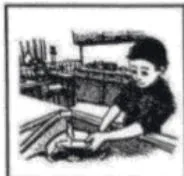
E
____
____
____
____
____
第二节(共15小题;每小题1分,共15分)
听下面 5 段对话或独白。每段对话或独白后有几个小题,从题中所给的 A、B、C 三个选项中选出最佳选项。听每段对话或独白前,你将有时间阅读各个小题,每小题 5 秒钟;听完后,各小题将给出 5 秒钟的作答时间。
听第6段材料,回答第6至8题。
What is the woman looking for? A. Her watch. B. Her bag. C. Her hat.
What does the object look like? A. It’s blue with a picture of a mouse on it. B. It’s green with a picture of a mouse on it. C. It’s purple with a picture of a panda on it.
Where are the speakers going next? A. To the bookstore. B. To the bus stop. C. To the gift shop.
听第 7 段材料,回答第 9 至 11 题。
Which city is the woman leaving for? A. London. B. New York. C. Paris.
How long will the woman stay there? A. For two days. B. For a week. C. For ten days.
What is the probable relationship between the speakers? A. Cousins. B. Workmates. C. School friends.
听第 8 段材料,回答第 12 至 14 题。
How did Sophie’s class know about the competition? A. From the teacher. B. From the radio. C. From the TV news.
What did Sophie’s class do with the cakes? A. They ate them. B. They gave them away. C. They brought them home.
What will Sophie’s class do tomorrow? A. Make some cookies. B. Visit a restaurant. C. Go on a school trip.
听第 9 段材料,回答第 15 至 17 题。
Who is Tony Jones? A. The man’s teammate. B. The man’s coach. C. The man’s brother.
Where do the man’s team usually train in the morning? A. On the beach. B. In the countryside. C. At the sports ground.
What do they often do on Fridays? A. Play a match. B. Go to the cinema. C. Have a big meal.
听第 10 段材料,回答第 18 至 20 题。
What time does Emily get up every day? A. At 7 o’clock. B. At 8 o’clock. C. At 9 o’clock.
How often does Emily have Natural Science? A. Once a week. B. Twice a week. C. Three times a week.
Who does Emily play tennis with on Saturdays? A. Her friends. B. Her parents. C. Her teachers.
第二部分 语言知识运用(共15小题;每小题1分,共15分)
阅读短文,从短文后各题所给的三个选项(A、B 和 C)中,选出可以填入空白处的最佳选项,并在答题卡上将该项涂黑。
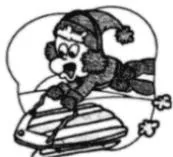
It was only four o’clock, but it was cold and getting dark. I ____ my nose up against the window. Snow! It was ____ and settling on top of the already thick white carpet (地毯).
“Dad!” I yelled ____3____. “Dad, come here—look at this snow!” He came in from the ____4____.
“Yes, look at that,” he said. “It’s coming down quite ____5____, isn’t it?” He put his hand on my shoulder and looked down at me with a ____6____ on his face. “Well, I’m going back to the living room to read my paper,” he said and started to turn away. His smile broadened even further.
“Oh, Dad,” I said sadly, shaking his arm. “Please… can we go sledging (滑雪橇)? You ____ 7 ____ we would if
we ever got snow."
“Just a joke, dear. Of course we can,” said Dad. “I know the ____ 8 ____ place. Go and get ready.”
“Really? Great! Let’s go!”
Outside, the ground was covered with snow. The snow flew up as we walked through it. We were walking to a place where my dad went sledging ____ he was a boy.
“Here we are then. I used to ____10____ many happy hours here with my sledge,” said Dad. I stopped and looked around me.
“This is it?” I asked ____11____, looking at the slight incline (缓坡) that lay ahead of us.
“It certainly is,” said Dad. “My friends and I ____ some serious speed on here back in the day. Let me tell you.”
I couldn’t believe him, but I pulled my sledge to the top of the incline anyway and got in. Dad gave me a _13_, and down I went at a snail’s pace (步速). It was so slow. All I could _14_ behind me was his laughter.
“OK, OK,” he said, catching up to me and walking beside my sledge as it went along. “Maybe it isn’t as steep (陡峭的) as I ____15____.”
A. pressed B. dropped C. hid
A. putting B. running C. falling
A. angrily B. excitedly C. tiredly
A. kitchen B. living room C. garden
A. lightly B. heavily C. hardly
6 A. fear B. worry C. smile
- A. decided B. promised C. replied
8.
A. when B. although C. if
A. take B. cost C. spend
A. in surprise B. at last C. for sure
12 A. picked up B. looked up C. gave up
- A. stop B. pull C. push
14.
- A. remembered B. learned C. noticed
第三部分 阅读理解(共15小题;每小题2分,共30分)
阅读短文,从每题所给的四个选项(A、B、C 和 D)中,选出最佳选项,并在答题卡上将该项涂黑。
A
ZSL Whipsnade Zoo
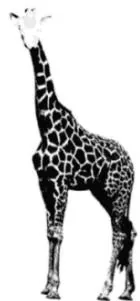
Set in over 600 acres, the Zoo is home to over 2,500 animals. Get the most out of your day by visiting our amazing animal talks, feeds and shows.
PASSAGE THROUGH ASIA
Drive your car or jump aboard our fantastic steam train and find your way through the Passage Through Asia. Keep an eye out for Asian elephants, camels and deer going about their daily business.
The biggest animal at the Zoo is the Asian elephant. Once fully grown they can reach heights of between three and four meters. “What does it take to look after an elephant? Join us for a day in the life of an elephant,” Jim Mickie, a zookeeper said.
FEEDING TIME
Whether it’s delicious home-cooked food or a sandwich, coffee and a cake, we have several tasty choices for you at the Zoo. Plus, all our food uses local ingredients.
BIRDS OF THE WORLD
Take flight with our feathered (有羽毛的) friends and be ready to duck and dive as hawks, owls over your head in this amazing Birds of the World.
NEW GIRAFFE PLATFORM
See more than ever before of our family of giraffes. The nine-foot-high platform will let you see across the whole giraffe paddock (围场) as well as provide a view indoors on cold days.
LOOKOUT LODGE (小屋)
Stay in the lodge. Spend the night at a sleepover (聚会) like no other, where you see what happens in the Zoo after dark. That would be the most enjoyable and unforgettable thing you can experience here!
- Where can visitors experience a day in the life of an elephant? A. PASSAGE THROUGH ASIA B. BIRDS OF THE WORLD
C. NEW GIRAFFE PLATFORM D. LOOKOUT LODGE
Why does the author mention “FEEDING TIME”?
A. To suggest watching a show. B. To suggest staying at the Zoo.
C. To suggest traveling through an area. D. To suggest eating the food at the Zoo.What is the special thing visitors can do at the Zoo? A. Seeing the deer and camels. B. Watching the amazing shows. C. Spending the night in the lodge. D. Driving or taking the steam train.
B
Rain or shine, Peter O’Neill always competes in the triathlon (铁人三项运动) of his town. The 72-year-old has competed in every triathlon in the event’s 40-year history. He was part of the group that came up with the idea in the 1980s.
“I used to jog around town,” Mr. O’Neill said. “I came into contact with an Olympian, David Power, and Dave had a hotel up here. A few of us got together and we discussed it and got it going in October,
1983.”
The then 31-year-old suggested one of the group should compete. “Everyone else could either ride a bike or run, but I was the only one who could swim,” he laughed. “But I was happy to give it a go.”
In the beginning, more than 220 athletes took part in the event, including 79 individual competitors and 48 teams. These days it’s a five-day festival—which includes 11 events in all—with more than 13,000 competitors.
Rebecca van Pooss, head of operations for the triathlon there, said the event Mr. O’Neill helped to start was now an international event. “It is the world’s largest Olympic-distance triathlon,” she said. “That’s something we’re very proud of.”
“Mr. O’Neill’s efforts were inspiring. There are a couple of other athletes who have done 38, 39,” she said. “But Peter, he is the legend (传奇)—it’s pretty amazing to have someone who’s done all 40 of our races.”
Mr. O’Neill trains year-round for the event, and enjoys the social side just as much as the physical benefits. “I’ve made so many friends… friends that I ride with and friends I swim with—it’s been wonderful,” he said. “When you’re in your 70s like I am, you’re quite happy to just do it because you know it beats the alternative (替代品), which is sitting around doing nothing.”
What do the underlined words “give it a go” in paragraph 3 probably mean? A. Try doing it. B. Cooperate with others. C. Organize the game. D. Go to a friend’s home.
What can we infer from Rebecca’s words? A. The athletes are mostly in their 30s.
B. There are more than 40 events that they can choose. C. The triathlon will be an international event in the future. D. It’s very hard to keep on training and competing for the event.
What can we know from Mr. O’Neill’s story? A. He is too old to be an athlete. B. He beats “doing nothing”, and becomes a legend. C. He helps many people in his hometown to find jobs. D. He has won many gold medals at the Olympic Games.
In which section of a newspaper may this text appear? A. Fashion and Style. B. School and Education. C. Science and Technology. D. Sports and Fitness.
C
In China, more and more people read at community reading rooms. For example, Luyang district of Hefei has built more than 100 reading rooms in recent years, so people can enjoy the fun of reading at their doorsteps. In the UK, 3,718 libraries provide different kinds of services, including lending out books and offering a free, warm and safe space for people to go to. Some libraries make it easier to borrow books: for example, by delivering books to library users’ doorsteps.
Libraries do more than house books. They provide people with other services and tools, such as computers, and create a sense of community. However, many libraries in the UK are at risk of closing because they can’t afford the cost of operating. Library fines (罚款) are carried out when people don’t return books on time.
Many people in the UK believe that fines are needed because they help libraries improve services, and prevent people from returning books late. Without fines, people might be more relaxed and many more books could be returned late. After all, some books are so popular that there can be a waiting list for people who want to read it next. Libraries only work if people borrowing books return them on time, ready for other library users to enjoy.
However, one third of Britain’s libraries are fine-free now. This means some library users who don’t return books by the date agreed are not charged (收费). Besides, people who don’t have much money really depend on libraries to help them save some money, not spend it. Many libraries have got rid of fines all together, which makes libraries more welcoming environments.
So, should libraries stop fining people? See what we find in other countries.
- What is paragraph 1 mainly about?
A Libraries are facing more challenges. B. Libraries are popular with young readers. C. It’s convenient for people to read nowadays. D. It’s not easy to find a place to relax after work.
Why are many libraries in the UK at risk of closing? A. Some people break the library rules. B. They can’t afford the cost of operating. C. They are short of books and computers. D. More community libraries have been built.
What’s the main idea of the passage? A. Library fines can be stressful to readers. B. Libraries need money to improve services. C There are different views on library fines in Britain. D. People prefer reading in community reading rooms.
What might the author continue talking about? A. Library rules in the UK. B. Good reading habits around the UK. C. Designs for libraries in Asia and Europe. D. Facts about library fines in other countries.
D
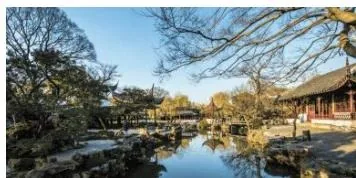
Classical Chinese gardens are purposely designed so that no matter where you stand, you can never see the whole thing at once. The mystery and the discovery have helped the classical gardens of China, especially those in Suzhou, remain popular attractions after all these years.
Put simply, the aim of a classical Chinese garden is to deepen one’s admiration of nature. Besides just relaxing in nature, the classical Chinese gardens have another purpose—to inspire artistic expression like poetry, literature or painting. Nearly all Chinese gardens feature the things in the list below.
Water
Water is a necessary thing that no Chinese garden can go without. The water in a garden typically symbolizes a lake or even the ocean. Water can even symbolize communication, movement and dreams.
Rocks
Large rocks typically symbolize mountains. Many of the rocks in the Suzhou gardens come from Lake Tai, having been shaped by the flow of water over thousands of years. Smaller rocks are often on show in the fancy halls at a garden’s entrance. This shows the appreciation the garden owners had of these rocks.
Plants
You can’t have a garden without plants. Different plants and flowers are used for either symbolic or aesthetic (美学的) purpose—or both. Bamboo, for example, represents strength. Flowers, meanwhile, add color to a garden, with each carrying a symbolic meaning of its own.
Gates & Windows
Gates of different shapes divide different parts of a garden. The most common type of gate, the moon gate, is simply a circle. Windows are placed throughout the garden to allow the passage of light. You can also catch a glimpse of interesting trees or rocks on the other side from the window.
Pavilions (亭)
In Chinese gardens, pavilions are usually placed in some of the best viewing places. Sometimes a pavilion is placed where one can see the reflection (倒影) of the moon at night, or in the best place to listen to the sound of rain on the leaves above. In the past, pavilions were also used as places for garden owners to reflect, paint and write poems.
What does the underlined word “those” in paragraph 1 refer to? A. Plants. B. Paintings. C. Classical gardens. D. Mystery and discovery.
What’s the purpose of this text? A. To list some plants and flowers. B. To introduce classical Chinese gardens. C. To explain the history of classical gardens. D. To compare different classical gardens in China.
Which of the following best explains “glimpse” underlined in paragraph 6? A. Look. B. Visit. C. Guess. D. Feeling.
Which of the following is the best title for the text? A. Nature Speaks for Itself B. Chinese Gardens and Western Gardens C. Getting Lost in Classical Chinese Gardens D. Finding Ways to Modern Arts and Buildingss
第四部分 情景交际(共两节,15分)
第一节(共5小题;每小题1分,共5分)
根据对话内容,从方框内的选项中选出能填入空白处的最佳选项。选项中有两项为多余选项。
| Waiter: Can I help you? |
| Helen: 31 |
| Waiter: Of course, here you are. |
| (5 minutes later) |
| Waiter: OK, so what can I get you? |

Helen: 32

Waiter: And what would you like to drink?

Helen: 33

Waiter: And would you like a dessert?

Helen: 34

Waiter: OK, so that’s a cheese omelette, an orange juice and a strawberry ice cream.
(20 minutes later)

Helen: 35

Waiter: Of course. That’s £20.
A. How much is it? B. An orange juice, please. C. I’d like a cheese omelette (煎蛋卷), please. D. And the orange juice. E. Can I have the bill? F. I’d like to see the menu, please. G. Yes, please. Can I have some strawberry ice cream?
第二节(共5小题;每小题2分,共10分)
根据下面的对话情景,在每个空白处填上一个适当的句子,使对话的意思连贯、完整。 A: Hello, Grace. Your skirt looks good on you. B:
- I bought it on a vacation in Qingdao.
A: Qingdao? Lucky you! ____?
B: I went there during the May Day holiday. I had a wonderful time there. It’s a great place to have fun. A: ____38____?
B: Er…Let me see. For four days.
A: 39 ?
B: It was always sunny and warm. The sunshine was bright.
A: What did you do there?
B:
A: Sounds like fun. I like playing beach volleyball, too. Oh, it’s time for lunch. See you.
B: See you.
第五部分 词语运用(共两节,25分)
第一节(共10小题;每小题1分,共10分)
用括号中所给单词的适当形式完成句子(每空仅限 1 个单词)。
- —What time does John usually have breakfast on school days?
—He usually ____ breakfast at 7 o’clock. (have)
When Helen won a prize in the English competition, she believed she was the ____ girl in the world. (happy)
Many students have trouble ____ with their parents. However, with a little hard work, they can learn to solve this problem. (communicate)
As a ____ of a team, you need to plan well and make good decisions quickly. (lead)
Compared with the past, the community canteens (食堂) are providing people, both young and old, with ____ and cheaper dishes now. (healthy)
—How was your interview going?
—Great. I was quite nervous at the beginning, but I ____ my cool and completed the interview smoothly. (keep)
- —How can I become a successful person?
—Well, you should remember that success is never ____ by luck. (achieve)
Lucy’s junior middle school teacher made a big ____ to her life. She wants to express her thanks to the teacher at the graduation ceremony. (different)
—Which do you think is the safest car color? Is it a bright color like red?
—No, it’s ____ white! If you drive a white car, there will be fewer accidents. (actual)
- —Space technologies are widely used in different kinds of industries.
—I agree. Space exploration benefits ____ a lot. (we)
第二节(共10小题;每小题1.5分,共15分)
阅读下面短文,在空白处填入1个适当的单词或括号内单词的正确形式。

Students in the French cities of Paris and Lyon recently got the chance to take part in traditional Chinese cultural and sports events hosted by East China Normal University.
The events were held from Thursday _51_ Monday. On Thursday, students from five French middle schools _52_ (experience) calligraphy (书法) and seal carving (篆刻) under the instruction of professors and students from China. It was _53_ first time that they were provided in those French schools.
Tryston Beck, a 12-year-old middle school student from Lyon, was ____ (satisfy) with his work in carving the Chinese character (文字) zhong, or middle. “The teachers from China told me ____ it meant. It was a very cool and fun experience,” he said.
A friendly badminton match was held on Sunday between a team of students led by Wang Yihan, who came ____ (two) at the London 2012 Olympic Games, and student athletes from Lyon.
“The match allowed Chinese and French youths ____ (improve) their competitive skills, friendship, and sow the seeds for future cooperation between the two sides,” said by a French officer.
To show Chinese kung fu and tai chi, teachers and students from the university also went to three schools in Lyon. Some local people had chances to experience it themselves.
“The movements in tai chi may be practiced very _58_(slow), but they are very _59_(create) and artistic,” another French officer said. “It’s a lovely beginning. I believe such activities will help more French _60_(teenager) improve their understanding of Chinese culture,” he said.
第六部分 书面表达(15分)
你校英语报社组织同学们分享自己在社区进行志愿活动的经历,请你根据以下提示写一篇短文投稿。内容包括:
简要描述;
体验和感受。
| Topic | Volunteer Work in Hongxing Community |
| Time | last Sunday |
| Activities | made eco-friendly (环保的) productsgave out reusable water bottles and bagsworked at the learning stalls (摊位) |
注意:
词数为 80 左右;
可适当增加细节,以使行文连贯;
文中不能出现真实姓名及学校名称;
短文的题目和开头已给出,不计入总词数。
Volunteer Work in Hongxing Community
Last Sunday I worked in Hongxing Community as a volunteer.
The image contains only background horizontal lines, which are stylistic or background elements and not text content. According to the rules, such lines must be ignored by the OCR result. Therefore, the corrected OCR text is:
```text [No text]
答案与详细解析
2024年初中学业水平考试卷
英语
注意事项:
1.本试卷共 12页,满分 120分。考试时间为 120分钟。
2.答题前,考生务必先将自己的考生号、姓名、座位号等信息填写在试卷和答题卡的指定位置。请认真核对条形码上的相关信息后,将条形码粘贴在答题卡的指定位置。
3.答题时,将答案写在答题卡上。写在本试卷上无效。
4.考试结束后,将本试卷和答题卡一并交回。
第一部分 听力(共两节,20分)
听录音,根据各题要求选择最佳答案,并将答题卡上对应题目的答案标号涂黑。每项内容读两遍。
第一节(共 5小题;每小题 1分,共 5分)
听下面 5段对话,根据你听到的内容选出相应的图片。
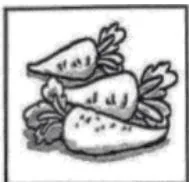
A

B
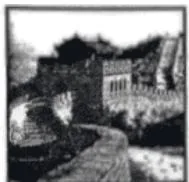
C
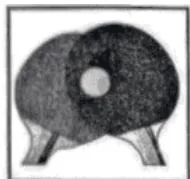
D
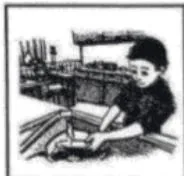
E
1.
2.
3.
4.
5.
第二节(共 15小题;每小题 1分,共 15分)
听下面 5段对话或独白。每段对话或独白后有几个小题,从题中所给的 A、B、C三个选项中选出最佳选项。听每段对话或独白前,你将有时间阅读各个小题,每小题 5秒钟;听完后,各小题将给出 5秒钟的作答时间。
听第6段材料,回答第6至8题。
6. What is the woman looking for?
7. What does the object look like?
8. Where are the speakers going next?
听第7段材料,回答第9至11题。
9. Which city is the woman leaving for?
10. How long will the woman stay there?
11. What is the probable relationship between the speakers?
听第8段材料,回答第12至 14题。
12. How did Sophie’s class know about the competition?
13. What did Sophie’s class do with the cakes?
14. What will Sophie’s class do tomorrow?
听第9段材料,回答第15至 17题。
15. Who is Tony Jones?
16. Where do the man’s team usually train in the morning?
17. What do they often do on Fridays?
听第 10段材料,回答第18至20题。
18. What time does Emily get up every day?
19. How often does Emily have Natural Science?
20. Who does Emily play tennis with on Saturdays?
第二部分 语言知识运用(共 15小题;每小题 1分,共 15分)
阅读短文,从短文后各题所给的三个选项(A、B和 C)中,选出可以填入空白处的最佳选项,并在答题卡上将该项涂黑。
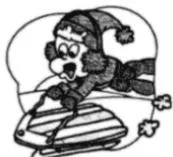
It was only four o’clock, but it was cold and getting dark. I ____1____ my nose up against the window. Snow! It was ____2____ and settling on top of the already thick white carpet (地毯).
“Dad!” I yelled ____3____. “Dad, come here—look at this snow!” He came in from the ____4____
“Yes, look at that,” he said. “It’s coming down quite ____5____, isn’t it?” He put his hand on my shoulder and looked down at me with a ____6____ on his face. “Well, I’m going back to the living room to read my paper,” he said and started to turn away. His smile broadened even further.
“Oh, Dad,” I said sadly, shaking his arm. “Please… can we go sledging (滑雪橇)? You ____7____ we would if
we ever got snow.”
“Just a joke, dear. Of course we can,” said Dad. “I know the ____8____ place. Go and get ready.”
“Really? Great! Let’s go!”
Outside, the ground was covered with snow. The snow flew up as we walked through it. We were walking to a place where my dad went sledging ____9____ he was a boy.
“Here we are then. I used to ____10____ many happy hours here with my sledge,” said Dad. I stopped and looked around me.
“This is it?” I asked ____11____, looking at the slight incline (缓坡) that lay ahead of us.
“It certainly is,” said Dad. “My friends and I ____12____ some serious speed on here back in the day. Let me tell you.”
I couldn’t believe him, but I pulled my sledge to the top of the incline anyway and got in. Dad gave me a 13____, and down I went at a snail’s pace (步速). It was so slow. All I could ____14____ behind me was his laughter.
“OK, OK,” he said, catching up to me and walking beside my sledge as it went along. “Maybe it isn’t as steep (陡峭的) as I ___15___.”
1.
2.
3.
4.
5.
6.
7.
8.
9.
10.
11.
12.
13.
14.
15.
【答案】1. A
C
B
B
B
C
B
B
A
C
A
A
C
C
A
【解析】
【导语】本文主要讲述了作者和爸爸在下雪的时候要去滑雪橇,爸爸把作者带到了小时候练习滑雪橇的地方,没想到这个地方并不如记忆中那么合适滑雪橇。
【1 题详解】
句意:我把鼻子贴在窗户上。
pressed 压,贴;dropped 跌落;hid 隐藏。根据“ I … my nose up against the window”可知,把鼻子贴在窗户 上,故选A。
【2题详解】
句意:它落了下来,落在已经很厚的白地毯上。
putting 放;running 跑步;falling 跌落。根据“Snow!”及“settling on top of the already thick white carpet”可 知,雪落了下来,故选C。
【3题详解】
句意:“爸爸!”我激动地喊道。
angrily 生气地;excitedly 兴奋地;tiredly 疲惫地。根据“Dad, come here—look at this snow”可知,看到下雪 作者很激动,故选B。
【4 题详解】
句意:他从客厅走了进来。
kitchen 厨房;living room 客厅;garden 花园。根据“Well, I’m going back to the living room to read my paper” 可知,爸爸从客厅里走出来,故选B。
【5题详解】
句意:雪下得挺大的,不是吗?
lightly 轻轻地;heavily沉重地;hardly几乎不。此空修饰“雪下得……”,应用heavily符合语境,故选B。【6题详解】
句意:他把手放在我的肩膀上,低头看着我,脸上带着微笑。
fear 恐惧;worry 担心;smile 微笑。根据“with a… on his face”以及“His smile broadened even further”可知,爸爸微笑地看着作者,故选 C。
【7题详解】
句意:你答应过只要下雪我们就去的。
decided 决定;promised 承诺;replied 回复。根据“we would if we ever got snow”及“Just a joke, dear”可知, 爸爸曾经答应过作者如果下雪就可以滑雪橇,故选B。
【8 题详解】
句意:我知道最佳的地方。
beautiful 美丽的;perfect 最佳的;cold 寒冷的。根据“We were walking to a place where my dad went sledging … he was a boy.”可知,爸爸知道一个可以滑雪橇的最佳地方,故选 B。
【9 题详解】
句意:我们正朝我爸小时候滑雪橇的地方走去。
when 当……时;although 尽管;if 如果。根据“We were walking to a place where my dad went sledging … he was a boy.”可知,此空缺少一个引导时间状语的连词,when 符合语境,故选A。
【10题详解】
句意:我曾经在这里和我的雪橇一起度过了许多快乐的时光。
take 花费,常用 it 作主语;cost 花费,物作主语;spend 花费,人作主语。根据“many happy hours here withmy sledge”可知,此处用 spend time with…,表示“和……共度时光”,故选 C。
【11题详解】
句意:“就是这个?”我惊讶地问。
in surprise 惊讶地;at last 最后;for sure 确定地。根据“looking at the slight incline (缓坡) that lay ahead of us” 及“I couldn’t believe him, but I pulled my sledge to the top of the incline anyway and got in”可知,看着面前的小 斜坡,作者很难相信这就是爸爸说的滑雪橇的最佳地方,所以是惊讶地问,故选A。
【12题详解】
句意:我和我的朋友们在这里练就了不少速度。
picked up 学会;looked up 查阅;gave up 放弃。根据“some serious speed on here back”可知,在这个地方,爸爸和朋友们学会了如何掌握速度,故选 A。
【13题详解】
句意:爸爸推了我一把,我像蜗牛一样往下爬。
stop 停止;pull 拉;push 推。根据“and down I went at a snail’s pace”可知,爸爸推了作者一下,作者顺着坡 向下滑,故选C。
【14题详解】
句意:我只能听到身后他的笑声。
understand 理解;see 看见;hear 听见。根据“behind me was his laughter”可知,听见背后爸爸的笑声,故选 C。
【15题详解】
句意:也许它不像我记忆中的那么陡峭.
remembered 记得;learned 学习;noticed 注意到。根据“We were walking to a place where my dad went sledging … he was a boy.”以及“Maybe it isn’t as steep (陡峭的) as I”可知,这个斜坡并不如爸爸记忆中那样陡 峭,故选A。
第三部分 阅读理解(共 15 小题;每小题 2 分,共 30 分)
阅读短文,从每题所给的四个选项(A、B、C和 D)中,选出最佳选项,并在答题卡上将该项涂黑。
A
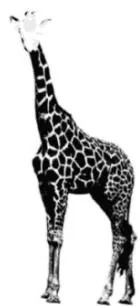
ZSL Whipsnade Zoo
Set in over 600 acres, the Zoo is home to over 2,500 animals. Get the most out of your day by visiting our amazing animal talks, feeds and shows.
PASSAGE THROUGH ASIA
Drive your car or jump aboard our fantastic steam train and find your way through the Passage Through Asia. Keep an eye out for Asian elephants, camels and deer going about their daily business.
The biggest animal at the Zoo is the Asian elephant. Once fully grown they can reach heights of between three and four meters. “What does it take to look after an elephant? Join us for a day in the life of an elephant,” Jim Mickie, a zookeeper said.
FEEDING TIME
Whether it’s delicious home-cooked food or a sandwich, coffee and a cake, we have several tasty choices for you at the Zoo. Plus, all our food uses local ingredients.
BIRDS OF THE WORLD
Take flight with our feathered (有羽毛的) friends and be ready to duck and dive as hawks, owls over your head in this amazing Birds of the World.
NEW GIRAFFE PLATFORM
See more than ever before of our family of giraffes. The nine-foot-high platform will let you see across the whole giraffe paddock (围场) as well as provide a view indoors on cold days.
LOOKOUT LODGE (小屋)
Stay in the lodge. Spend the night at a sleepover (聚会) like no other, where you see what happens in the Zoo
after dark. That would be the most enjoyable and unforgettable thing you can experience here!
16. Where can visitors experience a day in the life of an elephant?
17. Why does the author mention “FEEDING TIME”?
18. What is the special thing visitors can do at the Zoo?
【解析】
【导语】本文介绍了 ZSL Whipsnade Zoo 的各种活动和设施。
【16题详解】
细节理解题。根据 PASSAGE THROUGH ASIA 中“‘What does it take to look after an elephant? Join us for a day in the life of an elephant,’ Jim Mickie, a zookeeper said.”可知,游客可以在 PASSAGE THROUGH ASIA 体 验大象的一天生活,故选A。
【17题详解】
推理判断题。根据 FEEDING TIME 中“Whether it’s delicious home-cooked food or a sandwich, coffee and acake, we have several tasty choices for you at the Zoo. Plus, all our food uses local ingredients.”可知,动物园提供家常菜、三明治、咖啡和蛋糕。另外,动物园的食物都使用当地的食材。故可知作者提到“FEEDINGTIME”是为了建议游客在动物园用餐,故选D。
【18题详解】
细节理解题。根据 LOOKOUT LODGE 中“Stay in the lodge. Spend the night at a sleepover like no other, where you see what happens in the Zoo after dark.”可知,游客可以在动物园过夜,这是在动物园可以做的特别的事 情,故选C。
B
Rain or shine, Peter O’Neill always competes in the triathlon (铁人三项运动) of his town. The 72-year-old has competed in every triathlon in the event’s 40-year history. He was part of the group that came up with the idea in the 1980s.
“I used to jog around town,” Mr. O’Neill said. “I came into contact with an Olympian, David Power, and Dave
had a hotel up here. A few of us got together and we discussed it and got it going in October,
1983.”
The then 31-year-old suggested one of the group should compete. “Everyone else could either ride a bike or run, but I was the only one who could swim,” he laughed. “But I was happy to give it a go.”
In the beginning, more than 220 athletes took part in the event, including 79 individual competitors and 48 teams. These days it’s a five-day festival—which includes 11 events in all—with more than 13,000 competitors.
Rebecca van Pooss, head of operations for the triathlon there, said the event Mr. O’Neill helped to start was now an international event. “It is the world’s largest Olympic-distance triathlon,” she said. “That’s something we’re very proud of.”
“Mr. O’ Neill’s efforts were inspiring. There are a couple of other athletes who have done 38, 39,” she said. “But Peter, he is the legend (传奇)—it’s pretty amazing to have someone who’s done all 40 of our races.”
Mr. O’Neill trains year-round for the event, and enjoys the social side just as much as the physical benefits. “I’ve made so many friends… friends that I ride with and friends I swim with—it’s been wonderful,” he said. “When you’re in your 70s like I am, you’re quite happy to just do it because you know it beats the alternative (替代 品), which is sitting around doing nothing.”
19. What do the underlined words “give it a go” in paragraph 3 probably mean?
20. What can we infer from Rebecca’s words?
21. What can we know from Mr. O’Neill’s story?
22. In which section of a newspaper may this text appear?
【答案】19. A
D
B
D
【解析】
【导语】本文讲述了 72岁的 Peter O’Neill在他的城镇参加铁人三项运动的故事。他是该活动 40年历史中每一次比赛的参与者,他的努力和坚持激励了许多人。
【19题详解】
词句猜测题。根据上下文,Peter O’Neill 是唯一一个会游泳的人,他愿意尝试参加比赛,所以“give it a go”应该是“尝试做某事”。故选A。
【20 题详解】
推理判断题。根据“Mr. O’ Neill’s efforts were inspiring. There are a couple of other athletes who have done 38,39”及“But Peter, he is the legend (传奇)—it’s pretty amazing to have someone who’s done all 40 of our races.”可知,Peter O’Neill的努力是鼓舞人心的,有其他的运动员也完成了 38、39次比赛,但 Peter是传奇,他完成了所有的 40场比赛。这说明参加并坚持这个比赛是非常困难的。故选 D。
【21题详解】
细节理解题。根据“But Peter, he is the legend (传奇)”及“When you’re in your 70s like I am, you’re quite happy to just do it because you know it beats the alternative (替代品), which is sitting around doing nothing.”可知,Pete O’Neill通过参加铁人三项运动,打破了“无所事事”的生活,成为了一位传奇人物。故选 B。
【22题详解】
推理判断题。文章主要讲述了 Peter O’Neill参加铁人三项运动的故事,这是一项体育活动,所以这篇文章可能出现在报纸的“体育和健身”版块。故选D。
C
In China, more and more people read at community reading rooms. For example, Luyang district of Hefei has built more than 100 reading rooms in recent years, so people can enjoy the fun of reading at their doorsteps. In the UK, 3,718 libraries provide different kinds of services, including lending out books and offering a free, warm and safe space for people to go to. Some libraries make it easier to borrow books: for example, by delivering books to library users’ doorsteps.
Libraries do more than house books. They provide people with other services and tools, such as computers, and create a sense of community. However, many libraries in the UK are at risk of closing because they can’t afford the cost of operating. Library fines (罚款) are carried out when people don’t return books on time.
Many people in the UK believe that fines are needed because they help libraries improve services, and prevent people from returning books late. Without fines, people might be more relaxed and many more books could be returned late. After all, some books are so popular that there can be a waiting list for people who want to read it next. Libraries only work if people borrowing books return them on time, ready for other library users to enjoy.
However, one third of Britain’s libraries are fine-free now. This means some library users who don’t return books by the date agreed are not charged (收费). Besides, people who don’t have much money really depend on libraries to help them save some money, not spend it. Many libraries have got rid of fines all together, which makes libraries more welcoming environments.
So, should libraries stop fining people? See what we find in other countries.
23. What is paragraph 1 mainly about?
24. Why are many libraries in the UK at risk of closing?
25. What’s the main idea of the passage?
26. What might the author continue talking about?
【答案】23. C
B
C
D
【解析】
【导语】本文主要讨论了英国图书馆的罚款问题,以及这个问题在英国社会中的不同观点。
【23题详解】
段落大意题。根据第一段“so people can enjoy the fun of reading at their doorsteps…Some libraries make iteasier to borrow books…”可知,文章第一段以中国和英国的一些图书馆为例,介绍了现如今人们阅读非常方便。故选 C。
【24题详解】
细节理解题。根据第二段“However, many libraries in the UK are at risk of closing because they can’t afford the cost of operating.”可知,许多英国的图书馆面临关闭的风险,是因为它们无法承担运营成本。故选 B。
【25题详解】
主旨大意题。根据第三段“Many people in the UK believe that fines are needed”及第四段“Many libraries havegot rid of fines all together, which makes libraries more welcoming environments.”及全文可知,全文主要讨论了英国图书馆的罚款问题,以及这个问题在英国社会中的不同观点。故选 C。
【26 题详解】
推理判断题。根据最后一段“So, should libraries stop fining people? See what we find in other countries.”可知, 作者可能会继续讨论其他国家的图书馆罚款情况。故选D。
D
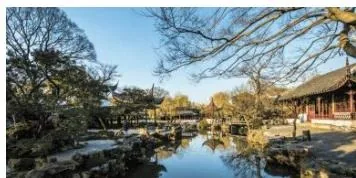
Classical Chinese gardens are purposely designed so that no matter where you stand, you can never see the whole thing at once. The mystery and the discovery have helped the classical gardens of China, especially those in Suzhou, remain popular attractions after all these years.
Put simply, the aim of a classical Chinese garden is to deepen one’s admiration of nature. Besides just relaxing in nature, the classical Chinese gardens have another purpose—to inspire artistic expression like poetry, literature or painting. Nearly all Chinese gardens feature the things in the list below.
Water
Water is a necessary thing that no Chinese garden can go without. The water in a garden typically symbolizes a lake or even the ocean. Water can even symbolize communication movement and dreams.
Rocks
Large rocks typically symbolize mountains. Many of the rocks in the Suzhou gardens come from Lake Tai, having been shaped by the flow of water over thousands of years. Smaller rocks are often on show in the fancy halls at a garden’s entrance. This shows the appreciation the garden owners had of these rocks.
Plants
You can’t have a garden without plants. Different plants and flowers are used for either symbolic or aesthetic (美学的) purpose—or both. Bamboo, for example, represents strength. Flowers, meanwhile, add color to a garden, with each carrying a symbolic meaning of its own.
Gates & Windows
Gates of different shapes divide different parts of a garden. The most common type of gate, the moon gate, is simply a circle. Windows are placed throughout the garden to allow the passage of light. You can also catch a glimpse of interesting trees or rocks on the other side from the window.
Pavilions (亭)
In Chinese gardens, pavilions are usually placed in some of the best viewing places. Sometimes a pavilion is placed where one can see the reflection (倒影) of the moon at night, or in the best place to listen to the sound of rain on the leaves above. In the past, pavilions were also used as places for garden owners to reflect, paint and write poems.
27. What does the underlined word “those” in paragraph 1 refer to?
28. What’s the purpose of this text?
29. Which of the following best explains “glimpse” underlined in paragraph 6?
30. Which of the following is the best title for the text?
【答案】27. C
B
A
C
【解析】
【导语】本文是一篇说明文,主要介绍了中国古典园林的特点和构成元素,包括水、石、植物、门窗和亭子等。
【27题详解】
推理判断题。根据“Classical Chinese gardens are purposely designed…The mystery and the discovery have helped the classical gardens of China, especially those in Suzhou, remain popular attractions after all these years.” 可知,无论人们站在哪里,都无法一下子看到整个园林,这使得中国的古典园林,尤其是苏州的古典园 林,多年来一直是受欢迎的景点。故划线部分 toses指代上文中提到的“classical gardens”。故选C。
【28题详解】
主旨大意题。通读全文可知,本文主要介绍了中国古典园林的特点和构成元素。故选B。
【29题详解】
词句猜测题。根据“You can also catch a glimpse of interesting trees or rocks on the other side from the window.” 可知,人们可以从窗口瞥见另一边有趣的树木或岩石。划线部分 glimpse意为“瞥见”,与Look 意思相近。 故选A。
【30题详解】
最佳标题题。通读全文可知,文章主要介绍了中国古典园林的特点和构成元素,以及人们在其中的体验,故“迷失在中国古典园林中”适合作为文章标题。故选C。
第四部分 情景交际(共两节,15 分)
第一节(共 5小题;每小题 1分,共 5分)
根据对话内容,从方框内的选项中选出能填入空白处的最佳选项。选项中有两项为多余选项。

Waiter: Can I help you?

Helen: ____31

Waiter: Of course, here you are.
(5 minutes later)

Waiter: OK, so what can I get you?

Helen: ____32___

Waiter: And what would you like to drink?

Helen: ____33

Waiter: And would you like a dessert?

Helen: ____34

Waiter: OK, so that’s a cheese omelette, an orange juice and a strawberry ice cream.
(20 minutes later)

Helen: ____35

Waiter: Of course. That’s £20.
A. How much is it?
B. An orange juice, please.
C. I’d like a cheese omelette (煎蛋卷), please.
D. And the orange juice.
E Can I have the bill?
F. I’d like to see the menu, please.
G. Yes, please. Can I have some strawberry ice cream? 【答案】31. F
C
B
G
E
【解析】
【导语】本文是海伦和服务员的对话。海伦在就餐,服务员为其服务。
【31 题详解】
根据“Of course, here you are.”及下文可知,海伦想要先看下菜单再点餐。故选项 F“我想看看菜单。”符合语境。故选 F。
【32题详解】
根据“OK, so what can I get you?”可知,海伦应表明自己想要吃什么。故选项C“我想要一份奶酪煎蛋卷。”符合语境。故选 C。
【33题详解】
根据“And what would you like to drink?”可知,海伦应表明自己想要喝什么。故选项 B“请给我一杯橙汁。”符合语境。故选 B。
【34 题详解】
根据“And would you like a dessert?”可知,海伦应表明自己是否要吃甜品。故选项 G“是的,请。能给我一些草莓冰淇淋吗?”符合语境。故选G。
【35题详解】
根据“Of course. That’s £20.”可知,海伦用完餐后要结账。故选项 E“能给我帐单吗?”符合语境。故选 E。
第二节(共 5小题;每小题2分,共 10分)
根据下面的对话情景,在每个空白处填上一个适当的句子,使对话的意思连贯、完整。 A: Hello, Grace. Your skirt looks good on you. B: ____36____. I bought it on a vacation in Qingdao. A: Qingdao? Lucky you! ____37____?
B: I went there during the May Day holiday. I had a wonderful time there. It’s a great place to have fun. A: ____38____?
B: Er…Let me see. For four days. A: ____39____?
B: It was always sunny and warm. The sunshine was bright. A: What did you do there? B: ____40____
A: Sounds like fun. I like playing beach volleyball, too. Oh, it’s time for lunch. See you.
B: See you.
【答案】36. Thank you/Thank you very much/Thanks/Thanks a lot/It’s very kind of you/That’s very kind of you
When did you go there/When did you go to Qingdao
How long did you stay there (in Qingdao)/How long have you stayed there (in Qingdao)
How was the weather (there)/What was the weather like (there)
I played beach volleyball
【解析】
【导语】本文是A 和格蕾丝之间的对话,格蕾丝介绍了自己的五一假期青岛行。
【36 题详解】
根据“Your skirt looks good on you.”可知,对于对方的称赞,应表示感谢。故“谢谢你/非常感谢/你真好”符合 语境。故填 Thank you/Thank you very much/Thanks/Thanks a lot/It’s very kind of you/That’s very kind of you。 【37 题详解】
根据“I went there during the May Day holiday.”可知,此处询问什么时候去的青岛,用 when 提问。故“你什 么时候去得那里(青岛)”符合语境。故填 When did you go there/When did you go to Qingdao。
【38题详解】
根据“Let me see. For four days.”可知,此处询问在青岛待了多长时间,用 how long 提问。故“你在那里(青 岛)待了多长时间”符合语境。故填 How long did you stay there (in Qingdao)/How long have you stayed there (in Qingdao)。
【39题详解】
根据“It was always sunny and warm.”可知,此处询问青岛的天气如何。故“(那里)天气怎么样”符合语境。 故填 How was the weather (there)/What was the weather like (there)。
【40题详解】
根据“What did you do there?”及“I like playing beach volleyball, too.”可知,格蕾丝在青岛打沙滩排球。故“我 打沙滩排球”符合语境。故填 I played beach volleyball。
第五部分 词语运用(共两节,25 分)
第一节(共 10小题;每小题 1分,共 10分)
用括号中所给单词的适当形式完成句子(每空仅限 1个单词)。
- —What time does John usually have breakfast on school days?
—He usually breakfast at 7 o’clock. (have)
【答案】has
【解析】
【详解】句意:——约翰上学时通常什么时候吃早餐?——他通常在7点钟吃早饭。根据 usually可知,此句是一般现在时,根据He可知,动词用三单,故填has。
- When Helen won a prize in the English competition, she believed she was the _ girl in the world. (happy)
【答案】happiest
【解析】
【详解】句意:当海伦在英语比赛中获奖时,她相信自己是世界上最开心的女孩。happy“开心的”,形容词。此处是“the+最高级+比较范围(in the world)”,故此处用最高级 happiest。故填 happiest。
- Many students have trouble with their parents. However, with a little hard work, they can learn to solve this problem. (communicate)
【答案】communicating
【解析】
【详解】句意:许多学生很难与父母沟通 然而,只要付出一点努力,他们就能学会解决这个问题。communicate“沟通,交流”,动词。have trouble (in) doing sth.“做某事有困难”,动名词作宾语。故填communicating。
- As a _ ____ of a team, you need to plan well and make good decisions quickly. (lead) 【答案】leader
【解析】
【详解】句意:作为一个团队的领导者,你需要做好计划,快速做出好的决定。lead“领导”,动词。a修饰可数名词单数,此处指团队的领导者,故为名词 leader“领导”。故填leader。
- Compared with the past, the community canteens (食堂) are providing people, both young and old, with and cheaper dishes now. (healthy)
【答案】healthier
【解析】
【详解】句意:与过去相比,社区食堂现在为年轻人和老年人提供更健康、更便宜的菜肴。healthy“健康的”,形容词。根据“Compared with the past”及“cheaper”可知,此处表比较,应用比较级 healthier“更健康的”,作定语修饰名词。故填 healthier。
- —How was your interview going?
—Great. I was quite nervous at the beginning but I my cool and completed the interview smoothly.
(keep)
【答案】kept
【解析】
【详解】句意:——你的面试进行得怎么样?——很好。一开始我很紧张,但我保持冷静,顺利地完成了面试。keep“保持”,动词。根据“completed”可知,时态是一般过去时,谓语动词应用过去式。故填 kept。
- —How can I become a successful person?
—Well, you should remember that success is never by luck. (achieve)
【答案】achieved
【解析】
【详解】句意:——我怎样才能成为一个成功的人?——好吧,你应该记住,成功从来都不是靠运气实现的。achieve“实现”,动词。根据“by”可知,此处是被动语态,结构是be done,故 achieve用其过去分词形式。故填 achieved。
- Lucy’s junior middle school teacher made a big ________ to her life. She wants to express her thanks to the teacher at the graduation ceremony. (different)
【答案】difference
【解析】
【详解】句意:露西的初中老师对她的生活产生了很大的影响。她想在毕业典礼上向老师表示感谢。different“不同的”,形容词。此处是动词短语 make a difference to sb.“对某人产生影响”。故填 difference。
- —Which do you think is the safest car color? Is it a bright color like red? —No, it’s white! If you drive a white car, there will be fewer accidents. (actual)
【答案】actually
【解析】
【详解】句意:——你认为哪种汽车颜色最安全?是像红色那样鲜艳的颜色吗?——不,实际上是白色!如果你开一辆白色的车,事故就会少一些。white是形容词,应用副词 actually“实际上”修饰形容词,故填actually。
- —Space technologies are widely used in different kinds of industries. —I agree. Space exploration benefits a lot. (we)
【答案】us
【解析】
【详解】句意:——空间技术广泛应用于不同类型的工业中。——我同意。太空探索对我们大有裨益。we“我们”,人称代词主格。benefits是动词,其后应用人称代词宾格us作宾语。故填 us。
第二节(共 10 小题;每小题
1.5 分,共 15 分)
阅读下面短文,在空白处填入1个适当的单词或括号内单词的正确形式。
Students in the French cities of Paris and Lyon recently got the chance to take part in traditional Chinese cultural and sports events hosted by East China Normal University.
The events were held from Thursday ____51____ Monday. On Thursday, students from five French middle schools ____52____ (experience) calligraphy (书法) and seal carving (篆刻) under the instruction of professors and students from China. It was ____53____ first time that they were provided in those French schools.
Tryston Beck, a 12-year-old middle school student from Lyon, was ____54____ (satisfy) with his work in carving the Chinese character (文字) zhong, or middle. “The teachers from China told me ____55____ it meant. It was a very cool and fun experience,” he said.
A friendly badminton match was held on Sunday between a team of students led by Wang Yihan, who came _56____ (two) at the London 2012 Olympic Games, and student athletes from Lyon.
“The match allowed Chinese and French youths ____57____ (improve) their competitive skills, friendship, and sow the seeds for future cooperation between the two sides,” said by a French officer.
To show Chinese kung fu and tai chi, teachers and students from the university also went to three schools in Lyon. Some local people had chances to experience it themselves.
“The movements in tai chi may be practiced very ____58____ (slow), but they are very ____59____ (create) and artistic,” another French officer said. “It’s a lovely beginning. I believe such activities will help more French _60____ (teenager) improve their understanding of Chinese culture,” he said.
【答案】51. to
experienced
the
satisfied
what
second
to improve
slowly
creative
teenagers
【解析】
【导语】本文是一篇新闻类阅读,文章介绍了法国巴黎和里昂的学生参加了由华东师范大学主办的中国传统文化和体育活动。该活动帮助法国青少年提高了对中国文化的了解。
【51 题详解】
句意:活动从周四持续到周一。from…to…“从……到……”。故填to。
【52 题详解】
句意:周四,来自法国五所中学的学生在来自中国的教授和学生的指导下体验了书法和篆刻。
experience“体验,经验”,名词/动词。事情发生在过去,时态是一般过去时,谓语动词用其过去式。故填experienced。
【53 题详解】
句意:这是这些法国学校第一次提供这些课程。序数词 first前加定冠词the,the first time“第一次”。故填the。
【54 题详解】
句意:来自里昂的 12 岁中学生 Tryston Beck 对自己雕刻的“中”字很满意。be satisfied with“对……满意”,形容词短语。故填 satisfied。
【55题详解】
句意:来自中国的老师告诉我这是什么意思。分析句子可知,told后接宾语从句。从句中缺少宾语,指“中”字是什么意思,故用what引导宾语从句。故填what。
【56题详解】
句意:上周日,一场羽毛球友谊赛在 2012年伦敦奥运会亚军王仪涵率领 学生队和来自里昂的学生运动员之间举行。two“二”,基数词。此处指第二名,应用序数词 second“第二”。故填second。
【57题详解】
句意:这场比赛让中法两国年轻人提高了竞技技能,增进了友谊,为双方未来的合作播下了种子。
improve“提高”,动词。allow sb. to do sth.“允许某人做某事”,不定式作宾补。故填 to improve。
【58题详解】
句意:太极拳的动作可能练习得很慢,但它们非常有创造力和艺术性。slow“慢的”,形容词。此处应用副词 slowly 修饰动词 practice。故填 slowly。
【59题详解】
句意:太极拳的动作可能练习得很慢,但它们非常有创造力和艺术性。create“创造”,动词。此处应用其形容词 creative“有创造性的”作表语。故填 creative。
【60题详解】
句意:我相信这样的活动将帮助更多的法国青少年提高他们对中国文化的了解。teenager“青少年”,可数名词,被 more修饰,用其复数形式。故填 teenagers。
第六部分 书面表达(15分)
- 你校英语报社组织同学们分享自己在社区进行志愿活动的经历,请你根据以下提示写一篇短文投稿。内容包括:
1.简要描述;
2.体验和感受。
| Topic | Volunteer Work in Hongxing Community |
| Time | last Sunday |
| Activities | made eco-friendly (环保的) productsgave out reusable water bottles and bagsworked at the learning stalls (摊位) |
注意:
1.词数为80左右;
2.可适当增加细节,以使行文连贯;
3.文中不能出现真实姓名及学校名称;
4.短文的题目和开头已给出,不计入总词数。
Volunteer Work in Hongxing Community
Last Sunday I worked in Hongxing Community as a volunteer.
【答案】One possible version,
Volunteer Work in Hongxing Community
Last Sunday I worked in Hongxing Community as a volunteer.
Before the event began, we gathered at the entrance of Hongxing Park at 9 o’clock. We volunteers were then divided into groups. Some made eco-friendly products. Others gave out reusable water bottles and the bags we made. I went all out to work at the learning stalls, teaching neighbors how to properly recycle and how to reduce trash here in town.
I shared what I know with others through the activity. Sharing is caring. Wish everyone could care about our community and earth.
【解析】
【详解】[总体分析]
①题材:本文是一篇记叙文,为材料作文;
②时态:以“一般过去时”为主;
③提示:写作要点已给出,注意不要遗漏信息,着重突出“活动”部分,可适当补充细节。
[写作步骤]
第一步,首先介绍志愿者活动的时间、地点、人物等;
第二步,具体介绍志愿者活动内容;
最后一步,表达个人感悟。
[亮点词汇]
①be divided into 被分成
②give out 分发
③go all out 全力以赴
④care about 关心
[高分句型]
①Before the event began, we gathered at the entrance of Hongxing Park at 9 o’clock.(before 引导时间状语从 句)
②I went all out to work at the learning stalls, teaching neighbors how to properly recycle and how to reduce trash here in town.(疑问词+动词不定式)
③I shared what I know with others through the activity.(what 引导宾语从句)
离线资料
现有试卷附件
请先查看上方试题、答案和解析状态,再按需要下载附件。