中考
2023年广东省广州市中考英语
2023年广东省广州市中考英语,满分30分,题型包括阅读理解、完形填空、写作题,逐题解析,提供Word下载。
- 年份
- 2023
- 省市
- 广东
- 城市
- 广州
- 科目
- 英语
- 类型
- 试卷
- 状态
- 精品
- 更新时间
- 2026-07-22
试卷信息与训练价值
- 考试年份
- 2023
- 考试地区
- 广东 · 广州
- 考试类型
- 初中学业水平考试
- 科目
- 英语
- 满分
- 30 分
- 题型
- 阅读理解、完形填空、写作题
- 答案状态
- 答案完整
- 解析状态
- 逐题解析
- 文件格式
- Word
- 适合人群
- 九年级复习、中考真题训练
解析涉及的重点知识:阅读理解、完形填空、词汇、书面表达。
在线试题
2023 年广州市初中学业水平考试
英语
考生号:____ 姓名:____
本试卷共 12 页(改 A4 纸后只有 9 页),四大题,满分 90 分。考试用时 100 分钟。
注意事项:
答题前,考生务必在答题卡上用黑色字迹的钢笔或签字笔填写自己的考生号、姓名;将自己的条形码粘贴在答题卡的“条形码粘贴处”。
选择题每小题选出答案后,用 2B 铅笔把答题卡上对应题目的答案标号涂黑;如需改动,用橡皮擦干净后,再选涂其他答案标号。答案不能答在试卷上。
非选择题答案必须用黑色字迹的钢笔或签字笔写在答题卡各题目指定区域内的相应位置上;如需改动,先划掉原来的答案,然后再写上新的答案,改动后的答案也不能超出指定的区域;不准使用铅笔,涂改液和修正带。不按以上要求作答的答案无效。
考生必须保持答题卡的整洁,考试结束后,将本试卷和答题卡一并交回。
一、语法选择(共15小题;每小题1分,满分15分)
阅读下面短文,按照句子结构的语法性和上下文连贯的要求,从 1~15 各题所给的 A,B,C 和 D 项中选出最佳选项,并在答题卡上将该项涂黑。
It was a beautiful spring day in a forest in ancient China. High up in a tree, a mother bird was watching _1_ six baby birds come out of the eggs lovingly. Five of them were strong. They chirped loudly. But _2_ last one that came out was not strong at all. This little one _3_ Little Six. He was weak and quiet. He was not fast enough _4_ the worms (虫子) Mama Bird brought back. Little Six ate _5_ food, so he was always hungry. And he didn’t like that.
Little Six didn’t have a strong body. _6_ he had a strong will. He decided _7_ he would get stronger. He would do exercises and flap (拍动) his wings every day.
Every morning, Little Six would rise _8_ the sun even came up. When his brothers and sisters woke, Little Six had already finished all his exercises. Morning after morning, he practiced _9_ his wings, and they were getting stronger and stronger. He always got the first worms Mama brought back home.
All through the spring, Little Six woke up _10_ than his brothers and sisters. Week after week, he worked harder than they did. He _11_ eat big meals and did not go hungry any more.
After a couple of months, all the baby birds had grown well. Mama Bird brought them together and _12_ them to fly. _13_ everyone’s surprise, Little Six was the first to start flying!
“Chirp! Chirp! _14_ at me!” Little Six cried _15_ while his brothers and sisters still fought hard, trying to fly up.
1.
- A. a B. an C. the D. /
3.
- A. ge B. go C. getting D. to ge
5.
- A. and B. bu C. because D. so
7.
8.
9.
- A. early B. earlier C. earlies D. the earlies
11.
12.
13.
14.
15.
二、完形填空(共10小题;每小题1分,满分10分)
阅读下面短文,掌握其大意,然后从 16~25 各题所给的 A,B,C 和 D 项中选出最佳选项,并在答题卡上将该项涂黑。
Almost everyone has a dream job, and for Susan, it is being a whale (鯨) trainer at her city’s aquarium (水族馆). Last year, Susan finally had a (n) ____16____, but it was more than just signing up. People who wanted this job had to take part in a competition. They need to show how ____17____ they could go down into the seven-metre-deep pool that housed the whales and how long they could stay there. The one who could reach the deepest and stay the longest underwater would get the job.
Susan signed up to try out, and everything went _18_ at first. But then, as she went down to about five metres under the icy water, her legs stopped _19_. The cold water caused a huge pain in her legs. She was unable to swim back to the surface. She was in great fear and couldn’t think. This only caused her to _20_ farther into the pool. Just as Susan _21_ hope, she suddenly felt herself being pushed to the surface.
It was Mila, a whale in the pool. She noticed Susan’s _22_, held her leg in her mouth and pushed Susan up to the surface. Susan was _23_, thanks to Mila’s quick action. The aquarium spokesperson said Susan was really _24_, because Mila had realized Susan needed help before any of the working group did, which saved valuable time.
“Whales are ____ animals—they live and play together. In the wild, they show great interest in humans
and often swim close to boats and divers."
- A. chance B. job C. dream D. idea
17.
18.
19.
20.
21.
- A. look B. trouble C. move D. place
23 A. changed B. lost C. chosen D. saved
24.
25.
三、阅读(共两节,满分35分)
第一节 阅读理解(共15小题;每小题2分,满分30分)
阅读下列短文,从 26~40 各题所给的 A,B,C 和 D 项中选出最佳选项,并在答题卡上将该项涂黑。
(A)

My friend keeps copying my look, but I like looking special.
What should I do?—Ann
The important thing is to tell your friend the truth without hurting her feelings. To do that, you can talk to her using kind words and not feeling angry. You can offer her your advice on popular dressing or even suggest wearing clothes that go together. This way you’ll still look like each other, but not twins!
My room is always messy.
No matter what I do, I can’t keep it clean!—
Mike
Here are some great ways to make your room a bit tidier. Start by picking up things you don’t use or want anymore. You can give them away to those in need. Less things means less mess! Then, try to make it a habit to put away things after you use them. Done with your sports shoes for the day? Back where they should be. Finally, set a timer for five minutes each night to clean any mess!
I’m sad because I have to go to a summer camp.
I just want to have a summer like my friends Help me out!—Jessie
We’re sorry you’re feeling this way! The best thing to do is to look at things on the bright side. There, a new group of kids will become your friends. They’ll know exactly how you feel and help you. What’s more, going to a summer camp doesn’t mean a terrible summer. You’ll still have fun in the sun with your friends. The only question is, what are you guys going to do together?
Who might be most interested in reading this passage? A. Young sports lovers. B. Teenagers in need of help. C. Summer camp planners. D. Kids looking for dressing ideas.
What problem does Mike need to solve? A. Having an unwanted holiday plan. B. Failing to manage his time wisely. C. Not knowing how to tidy his room. D. Unable to get on well with his friends.
What advice does the writer give to Jessie? A. Tell your parents how you feel. B. Be ready to help other students. C. Study harder in the summer camp. D. See the advantage of what you dislike.
(B)
Come on, Amy. You must TRY HARDER. Amy told herself silently. She was in her class’ Second-Day-of-School Game with her teammates, whom she only met yesterday. This was her first chance to make new friends, and she was nervous.
So far Amy hadn’t given any useful suggestions—after all, she was totally new to this town. Luckily, no one seemed to care about it. This relaxed her a lot.
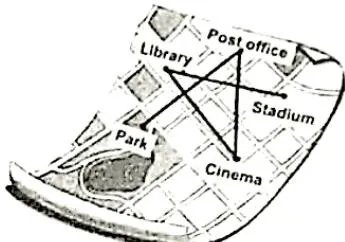
Since the Blue Team left the park, they had worked out the first two clues (线索) and had been to the post office. Now they were in front of the cinema.
Henry was reading aloud the third clue: Go to our town founder’s last resting place.
I know THIS ONE! Amy thought, excited.
“To the cemetery (墓地)” Cindy said.
“No, wait!” Amy said. “I’ve read about it. The founder was buried near the library.”
“Wow. I’ve walked by every day,” Tyler said. “Never knew that!”
“Good job! That will save valuable time,” Cindy smiled at Amy.
“We still need to hurry,” Tyler reminded, pointing to the Yellow Team coming near.
“I know a shortcut!” Henry suggested. “Follow me!” No one moved.
“No, seriously,” Henry said. “You know I’m always running late. I know every shortcut in town.” The others finally agreed.
A few sharp turns, and they were there! This time Amy read the clue aloud: Now go to the place where the football is running around!
“The football stadium!” They called out together and started to run…
Now they’d got the final clue: Look where you’ve been, see where you are. Use your map wisely and you’ll be a star!
Looking closely at the map, everyone thought hard.
“Aha! A star!” Cindy suddenly broke the silence. She quickly took out a pencil.
As they watched her drawing lines on the map, everyone understood.
They began running back to where they started. They were closer and closer, and finally crossed the finish line-just one step behind the Red Team!
“So…close…” Tyler made a face, and they all laughed together.
“Nice job, new girl,” Cindy gave Amy a high-five.
“That was really fun,” said Henry. “I hope we’ll be on the same team soon.”
“Me, too,” Amy agreed, smiling.
What does the beginning of the story tell us about Amy? A. She didn’t want to play the game. B. She was a new student in her class. C. She was a member of the Red Team. D. She didn’t understand the game rules.
Why did the team let Henry lead the way at last?
A. He ran fastest in the team. B. They didn’t know the way. C. They trusted his rich experience. D. He was best at playing the game.
Where was the finish line of the game? A. In the park. B. Next to the post office. C. In front of the cinema. D. Outside the library.
Why did Amy smile at the end of the story? A. Her team came in first. B. She was accepted as a friend. C. She no longer felt nervous. D. There would be a game soon.
(C)
Computer scientist Mary has an idea for a new robot to help her work with children. How should it look? The robot should have arms to be able to lift things. And if it is going to communicate with people, it will also need a face. Scientists believe that giving a robot a face can make it seem more friendly. Humans would also like to pay more attention to robots with faces. But what kind?
For Mary, she wants to make sure that her new robot doesn’t look too much like a human. She wants people to just treat it as a machine-person. If it looks more like a human than a machine, she thinks users might find it a bit creepy and feel afraid. Mary also believes that robot faces don’t need to look a lot like ours. Her research shows that we can enjoy communicating with robots whether or not they look like humans, because our brains are able to look for faces. Just put two circles on top of a robot’s body, and we will see a face.
Dave feels differently. He believes that although at first we might be afraid when seeing a robot with a lifelike face, we may soon get used to it. If robots are going to work closely with humans, they should look as much like us as possible. After all, faces are an important part of the way we communicate.
To make his robots look as much like real people as possible, Dave invented a special skin (皮肤) for their faces. With this skin, robots can show human-like expressions and appear to be angry, sad, happy or surprised. Dave’s robots are also programmed to copy expressions. How? Just imagine his robot is looking at you. The cameras in its eyes send pictures of your face to its central computer!
Why do scientists think a robot needs a face? A. It will become more beautiful. B. It can do better in lifting things. C. It will pay more attention to children. D. It can better communicate with people.
What does the underlined word “creepy” mean in paragraph 2? A. Uncomfortable to look at. B. Impossible to touch. C. Boring to talk to. D. Difficult to understand.
Which of the following would Dave most probably agree with? A. People should treat robots as humans. B. Robots need to express their own feelings. C. Robots shouldn’t look too much like humans. D. People can easily accept robots with a human face.
What is the purpose of the passage? A. To explain the reasons why robots should have faces. B. To suggest what humans can do with robots with faces. C. To share ideas on what kind of faces robots should have. D. To show how scientists invent robots with different faces.
(D)
People believe that every word has its correct meaning(s). When we are not sure, we usually check online, or turn to our teachers or dictionaries. But do you know how dictionaries were made in the past?
Dictionary writers first read the important books of the period or the subject that the dictionary was about. As they read, they copied necessary information on cards: interesting words, common words—both in their daily uses and unusual uses, and also the sentences where they were used. That is to say, the words, along with the uses of each word, were collected. For a really big dictionary, millions of such cards were collected. This task could last for years. As the cards were collected, they were put in alphabetical order (A—Z). When this was done, there would be several hundred cards for each single word.
Then, to define (定义) a word, the dictionary writer placed its hundreds of cards before him. He read the cards closely, threw away some, read the rest again, and divided up the cards according to what he thought were the common uses of the word. Finally, he wrote the definitions, following the hard-and-fast rule: each definition must come from an example on a certain card in front of him.
So, the writing of a dictionary was not a task of inventing meanings of words, but a task of recording their meanings. The writer of a dictionary was a historian, not a law maker.
As time develops the way of producing dictionaries has greatly changed. Nowadays, we can use online dictionaries too. When choosing our words in speaking or writing, we can be guided by the dictionary. However, we cannot be controlled by it, because new situations, new experiences, new inventions, and new feelings, are always pushing us to give new uses to old words.
- Why did dictionary writers read important books? A. To know more about the period. B. To collect words and their uses.
C. To understand different subjects. D. To learn to use interesting words.
- Which shows the correct steps of how dictionaries were made in the past?
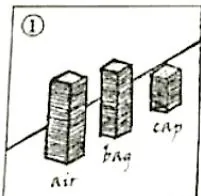
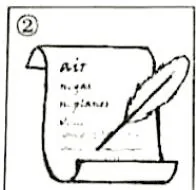
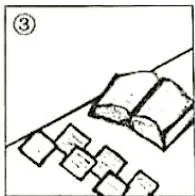
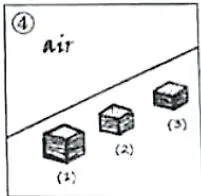
A. ①-③-④-② B. ①-②-④-③ C. ③-④-②-① D. ③-①-④-②
What can we learn from the passage about dictionary writing in the past? A. It should be done by historians. B. It was a task of inventing and recording. C. It was long-time hard work. D. It had to use the law-making rules.
What does the writer advise us to do when we choose words in communication? A. Be open to the new uses of words. B. Follow the dictionary strictly. C. Use online dictionaries instead. D. Try to create new words.
第二节 阅读填空(共5小题;每小题1分,满分5分)
阅读短文及文后 A~E 选项,选出可以填入 41-45 各题空白处的最佳选项,并在答题卡上将该项涂黑。
Years ago, green was simply a color. Now it’s much more! In the 1970s, some people began to worry about what we did to mother Earth. _41_ It is a big idea that touches governments all over the world, and a small idea that touches us all in our homes.
Architects (建筑师) and building engineers are thinking about how to make buildings greener. These days, green architecture is becoming more and more popular. ____ 42
We need to be very careful about the materials (材料) we use. It is better to choose renewable materials-those that the Earth replaces quickly. ____ 43____ Also, for those materials that are not renewable, we need to use them as little as possible. Our mother Earth has offered us many other possibilities, such as wind and solar power.
Planners must think about the needs of those who will spend time in green buildings. In many cases, green energy is more comfortable for people. ____ 44____ Natural lighting is often kinder to the eyes than electric lighting. In fact, many people who live or work in green buildings report feeling happier and healthier.
45 For example they might try to use as little land as possible. If a building covers a large area, there will be less space for plants and trees. They also have to think about cutting down waste and pollution while the building work is going on.
Although green buildings are more expensive to build, they are less expensive to run.
A. Or we can reuse some materials.
B. As a result, green thinking was born.
C. To understand it, we have to look at three different areas.
D. For example, natural wind brings people cleaner and fresher air.
E. Architects must consider what the building will do to the environment.
四、写作(共三节,满分30分)
第一节 语篇填词(共5小题;每小题1分,满分5分)
阅读短文,根据上下文和所给的首字母写出所缺单词。注意使用正确形式,每空限填一词。
Today is Duanwu Jie, or Dragon Boat Festival, one of the most important festivals in China. Chinese people r____46____ the great patriotic poet (爱国诗人) Qu Yuan by rowing dragon boats and making zongzi on this day.
My village is famous for its great protection of traditional c____47____ and we have the best dragon boat race team of the city. Every year, villagers raise our dragon boats from under the river about a month before the festival. And then it is c____48____ cleaned and repainted. Our dragon boat is already 40 years old. Made of a special kind of wood, it is still strong enough to l____49____ for a long time.
This year, my elder brother is accepted into our dragon boat race team as its youngest member. He’s only 18, and I’m so p____50____ of him.
第二节 完成句子(共5小题;每小题2分,满分10分)
根据所给的汉语内容,用英语完成下列句子。每空限填一词。
- 你是否听说过一群广州学生做的数学项目?
____ you ever ____ about a maths project done by some students in Guangzhou?
- 这些学生不但把数学学得更好,而且优化了飞镖技能。
These students ____ ____ learned their maths better, ____ ____ improved their darting skills.
- 他们还赢得了广东省飞镖比赛冠军。多么棒的项目啊!
They won the Championship of Guangdong Darts Match, too. ____ project it is!
- 我最喜爱的科目是美术。我也在思考我怎样能借助数学把画画得更好。
My favourite subject is art. I am also thinking about ____ ____ ____ better with the help of maths.
- 我希望有一天我的绘画作品会在美术馆展出。
I hope one day my art works ____ ____ ____ in the art gallery.
第三节 书面表达(共1题,满分15分)
- 你是校志愿队队长李华。你校将于下周六组织主题(theme)为“健康你和我”的志愿服务活动,交换生 Sam 也报名参加。请你根据以下内容写一封电子邮件,向他介绍活动的安排。
| Theme | Healthy You and Me |
| Time | 8:30 a.m.—11:30 a.m. |
| Place | Sports Center |
| Activities | ... |
| Purpose | ... |
注意:
可在内容提示的基础上适当拓展信息;
词数 80 词左右(邮件的开头已给出,不计入词数);
不得透露学校、姓名等任何个人信息,否则不予评分。 Dear Sam,
Thank you for joining us in our voluntary work next Saturday.
Thank you for joining as in our voluntary work next Saturday.
Yours, Li Hua
答案与详细解析
2023年广州市初中学业水平考试
英语
考生号: 姓名:
本试卷共 12页(改 A4纸后只有 9页),四大题,满分 90分。考试用时 100分钟。
注意事项:
答题前,考生务必在答题卡上用黑色字迹的钢笔或签字笔填写自己的考生号、姓名;将自己的条形码粘贴在答题卡的“条形码粘贴处”。
选择题每小题选出答案后,用 2B铅笔把答题卡上对应题目的答案标号涂黑;如需改动,用橡皮擦干净后,再选涂其他答案标号。答案不能答在试卷上。
非选择题答案必须用黑色字迹的钢笔或签字笔写在答题卡各题目指定区域内的相应位置上;如需改动,先划掉原来的答案,然后再写上新的答案,改动后的答案也不能超出指定的区域;不准使用铅笔,涂改液和修正带。不按以上要求作答的答案无效。
考生必须保持答题卡的整洁,考试结束后,将本试卷和答题卡一并交回。
一、语法选择(共 15小题;每小题 1分,满分 15分)
阅读下面短文,按照句子结构的语法性和上下文连贯的要求,从 1~15各题所给的 A,B,C和D项中选出最佳选项,并在答题卡上将该项涂黑。
It was a beautiful spring day in a forest in ancient China. High up in a tree, a mother bird was watching ___1___ six baby birds come out of the eggs lovingly. Five of them were strong. They chirped loudly. But ___2___ last one that came out was not strong at all. This little one ___3___ Little Six. He was weak and quiet. He was not fast enough ___4___ the worms (虫子) Mama Bird brought back. Little Six ate ___5___ food, so he was always hungry. And he didn’t like that.
Little Six didn’t have a strong body. ___6___ he had a strong will. He decided ___7___ he would get stronger. He would do exercises and flap (拍动) his wings every day.
Every morning, Little Six would rise ___8___ the sun even came up. When his brothers and sisters woke, Little Six had already finished all his exercises. Morning after morning, he practiced ___9___ his wings, and they were getting stronger and stronger. He always got the first worms Mama brought back home.
All through the spring, Little Six woke up ____10____ than his brothers and sisters. Week after week, he worked harder than they did. He ____11____ eat big meals and did not go hungry any more.
After a couple of months, all the baby birds had grown well. Mama Bird brought them together and ____12 them to fly. ____13____ everyone’s surprise, Little Six was the first to start flying!
“Chirp! Chirp! ____14____ at me!” Little Six cried ____15____ while his brothers and sisters still fought hard, trying to fly up.
1.
2.
3.
4.
5.
6.
7.
8.
9.
10.
11.
12.
13.
14.
15.
【答案】1. B
C
C
D
A
B
D
A
C
B
A
C
B
A
D
【解析】
【导语】本文主要讲一只小鸟出生就比其他鸟脆弱,后来经过自己不断的努力让自己变得强壮,再也没有挨饿并第一个学会飞翔的故事。
【1题详解】
句意:在一棵高高的树上,一只鸟妈妈正慈爱地看着她的六个鸟宝宝从鸟蛋里孵出来。
she她;her她的,形容词性物主代词;hers她的,名词性物主代词;herself她自己。空处修饰“six babybirds”应用形容词性物主代词,故选B。
【2题详解】
句意:但是最后一只鸟出来了,并没有那么强壮。
a/an 是不定冠词,表示泛指。a用在辅音音素前;an 用在元音音素前。the是定冠词,表示特指。此处特指最后一只鸟,用 the。故选C。
【3题详解】
句意:这只小鸟被叫做小六。
called 称呼,过去式;was calling 正在叫;was called 被叫做,主语是第一人称或单数;were called 被叫 做,主语是第二人称或复数。此处“This little one”与“call”之间是被动关系,用被动语态,主语是单数。故
选 C。
【4 题详解】
句意:他没有那么快的去拿到鸟妈妈带回来的虫子。
get 得到,动词原形;got 过去式;getting 现在分词;to get 不定式。enough+to do“足够……去做某事”。故选 D。
【5 题详解】
句意:小六几乎没有吃到了一点食物,所以他总是很饿。
little 很少,修饰不可数名词;few 很少,修饰可数名词;much 很多,修饰不可数名词;many 很多,修饰 可数名词。根据“so he was always hungry. And he didn’t like that.”可知很饿应是没有吃到食物,修饰 food, 应用 little。故选 A。
【6题详解】
句意:小六没有一个强壮 身体,但是他有一个强大的意志。
and 并且;but 但是;because 因为;so 因此。根据“Little Six didn’t have a strong body….he had a strong will.” 可知前后是转折关系,故选 B。
【7题详解】
句意:他决心变得更强壮。
what 什么;why 为什么;when 什么时候;that 那,或作引导词无实意。根据“He decided…he would getstronger.”可知此处是that引导的宾语从句,从句是陈述句用 that引导。故选D。
【8题详解】
句意:每天早上小六赶在太阳升起之前起来。
before 在……之前;after 在……之后;until 直到;if 如果。根据“…the sun even came up.”可知是在太阳升起之前起来。故选 A。
【9题详解】
句意:每天早上,日复一日,他练习拍打他的翅膀,并且它们变得越来越强壮了。
flap 拍打,动词原形;to flap 不定式;flapping 现在分词;flapped 过去式或过去分词。practiced doingsth“练习做某事”。故选C。
【10题详解】
句意:整个春天,小六比其他的哥哥姐姐们醒来的更早。
early 早,副词原形;earlier 比较级;earliest 最高级;the earliest 最高级。根据“than his brothers and sisters.”可知是比较级,故选 B。
【11 题详解】
句意:他能够吃掉大餐,再也没有挨饿了。
could 能够;might 可能;should 应该;must 必须。根据“…eat big meals and did not go hungry any more.”可 知是能吃掉大餐。故选A。
【12 题详解】
句意:鸟妈妈把他们放到一起,并教他们飞翔。
teach 教;teaches 三单形式;taught 过去式;will teach 一般将来时。根据“brought”可知时态是过去式。故选 C。
【13题详解】
句意:令每只鸟都吃惊的是,小六是第一个开始飞的。
In 在……里面;To 到;For 为了;At 在。to one’s surprise“令某人吃惊的是”。故选 B。
【14题详解】
句意:“吱吱!吱吱!看我” 小六开心地叫道。
Look看,动词原形;Looks三单形式;To look不定式;Looking 现在分词。此处是祈使句,以动词原形开头。故选 A。
【15题详解】
句意:小六开心地叫道,而他的哥哥姐姐们还仍然在努力的尝试着来飞翔。
happy开心的,形容词原级;happier更开心的,比较级;happiness名词;happily 开心地,副词。空处修饰cried 用副词形式,故选D。
二、完形填空(共 10小题;每小题 1分,满分 10分)
阅读下面短文,掌握其大意,然后从 16~25各题所给的 A,B,C和D项中选出最佳选项,并在答题卡上将该项涂黑。
Almost everyone has a dream job, and for Susan, it is being a whale (鯨) trainer at her city’s aquarium (水族 馆). Last year, Susan finally had a (n) ____16____, but it was more than just signing up. People who wanted this job had to take part in a competition. They need to show how ____17____ they could go down into the seven-metre-deep pool that housed the whales and how long they could stay there. The one who could reach the deepest and stay the longest underwater would get the job.
Susan signed up to try out, and everything went ____18____ at first. But then, as she went down to about five metres under the icy water, her legs stopped ____19____. The cold water caused a huge pain in her legs. She was unable to swim back to the surface. She was in great fear and couldn’t think. This only caused her to ____20 farther into the pool. Just as Susan ____21____ hope, she suddenly felt herself being pushed to the surface.
It was Mila, a whale in the pool. She noticed Susan’s ____22____, held her leg in her mouth and pushed Susan up to the surface. Susan was ____23____, thanks to Mila’s quick action. The aquarium spokesperson said Susan was really ____24____, because Mila had realized Susan needed help before any of the working group did, which saved valuable time.
“Whales are ____25____ animals—they live and play together. In the wild, they show great interest in humans and often swim close to boats and divers.”
16.
17.
18.
19.
20.
21.
22.
23.
24.
25.
【答案】16. A
B
D
C
A
D
B
D
A
C
【解析】
【导语】本文主要介绍 Susan 参加水族馆鲸鱼训练员比赛时在水下遇到意外,幸运的是她被一头鲸鱼救了。
【16题详解】
句意:去年苏珊终于有一个机会,但它不仅仅只是报名。
chance 机会;job 工作;dream 梦想;idea 主意。根据“but it was more than just signing up.”可知是等来了机会,但是不仅仅是报名那么简单。故选A。
【17题详解】
句意:他们需要去展示他们能游到 7m深的泳池多远,那里住着鲸鱼。还有他们可以待在那里多长时间。soon 很快;far 远;often 经常;hard 困难。根据“They need to show how…they could go down into the seven-metre-deep pool”可知此处是 how far。表示“多远”。故选 B。
【18题详解】
句意:苏珊报名了,去参加选拔。一切事情一开始都进展的很顺利。
close密切地;deep深的;late 迟到的;well好的。根据“But then”可知后文转折,表示不好的事情,说明前面是好的。everything went well“一切进展顺利”。故选 D。
【19 题详解】
句意:但接下来,当她在冰冷的水下深入到大约 5m时,她的腿停止了工作。
trying 尝试;hurting 受伤;working 工作;resting 休息。根据“The cold water caused a huge pain in her legs.”可知冷水造成她的腿没有知觉,不能动了。故选C。
【20 题详解】
句意:这导致她掉到泳池更深的地方去了。
drop 丢掉;swim 游泳;jump 跳跃;search 搜找。根据“She was in great fear and couldn’t think. This only caused her to…”可知她在水下,腿没有知觉,大脑不能思考,故会沉下去。故选 A。
【21题详解】
句意:正当苏珊放弃了希望时,她突然感到她自己被推向水面。
gave away 赠送;gave in 投降;gave out 分发,gave up 放弃。根据“…hope”可知是放弃希望。故选 D。
【22 题详解】
句意:是 Mila,泳池里的一头鲸,它注意到苏珊的麻烦。把她的腿含在嘴里,并且把苏珊推向了水面。look 看;trouble麻烦;move 移动;place地方。根据上文可知苏珊腿不能动,遇到了麻烦,故选B。
【23题详解】
句意:苏珊被拯救了,多亏了 Mila的快速行动。
changed 改变;lost 丢失;chosen 选择;saved 拯救。根据“thanks to Mila’s quick action.”可知多亏了鲸鱼, 把苏珊救了。故选D。
【24 题详解】
句意:水族馆的发言人说苏珊真的很幸运,因为 Mila已经在任何其他工作组之前意识到苏珊需要帮助,这节约了宝贵的时间。
lucky 幸运的;brave 勇敢的;afraid 害怕的;sad 伤心的。根据“which saved valuable time.”可知苏珊被鲸鱼救了是幸运的。故选 A。
【25题详解】
句意:鲸是社交性动物,它们在一起居住和玩耍。
funny 有趣的;lonely 孤单的;social 社交的;strong 强壮的。根据“they live and play together.”可知是社交性动物。故选C。
三、阅读(共两节,满分 35分)
第一节 阅读理解(共 15 小题;每小题 2 分,满分 30 分)
阅读下列短文,从 26~40各题所给的 A,B,C和 D项中选出最佳选项,并在答题卡上将该项涂黑。
(A)

My friend keeps copying my look, but I like looking special.
What should I do?—Ann
The important thing is to tell your friend the truth without hurting her feelings. To do that, you can talk to her using kind words and not feeling angry. You can offer her your advice on popular dressing or even suggest wearing clothes that go together. This way you’ll still look like each other, but not twins!
My room is always messy.
No matter what I do, I can’t keep it clean!—
Mike
Here are some great ways to make your room a bit tidier. Start by picking up things you don’t use or want anymore. You can give them away to those in need. Less things means less mess! Then, try to make it a habit to put away things after you use them. Done with your sports shoes for the day? Back where they should be. Finally, set a timer for five minutes each night to clean any mess!
I’m sad because I have to go to a summer camp.
I just want to have a summer like my friends. Help me out!—Jessie
We’re sorry you’re feeling this way! The best thing to do is to look at things on the bright side. There, a new group of kids will become your friends. They’ll know exactly how you feel and help you. What’s more, going to a summer camp doesn’t mean a terrible summer. You’ll still have fun in the sun with your friends. The only question is, what are you guys going to do together?
26. Who might be most interested in reading this passage?
27. What problem does Mike need to solve?
28. What advice does the writer give to Jessie?
【解析】
【导语】本文是三个青少年的问题以及作者给出的建议。
【26题详解】
推理判断题。根据“What should I do?—Ann”、“My room is always messy. No matter what I do, I can’t keep it clean!—Mike”和“I’m sad because I have to go to a summer camp. I just want to have a summer like my friends. Help me out!—Jessie”可知需要帮助的青少年对这篇文章最感兴趣,故选 B。
【27题详解】
细节理解题。根据“My room is always messy. No matter what I do, I can’t keep it clean!—Mike”可知 Mike 不知道如何整理他 房间。故选C。
【28题详解】
细节理解题。根据“We’re sorry you’re feeling this way! The best thing to do is to look at things on the bright side.”可知作者建议Jessie要看到事物好的一面,故选 D。
(B)
Come on, Amy. You must TRY HARDER. Amy told herself silently. She was in her class’ Second-Day-of-School Game with her teammates, whom she only met yesterday. This was her first chance to make new friends, and she was nervous.
So far Amy hadn’t given any useful suggestions—after all, she was totally new to this town. Luckily, no one seemed to care about it. This relaxed her a lot.
Since the Blue Team left the park, they had worked out the first two clues (线索) and had been to the post office. Now they were in front of the cinema.
Henry was reading aloud the third clue: Go to our town founder’s last resting place.
I know THIS ONE! Amy thought, excited.
“To the cemetery (墓地)” Cindy said.
“No, wait!” Amy said. “I’ve read about it. The founder was buried near the library.”
“Wow. I’ve walked by every day,” Tyler said. “Never knew that!”
“Good job! That will save valuable time, ” Cindy smiled at Amy.
“We still need to hurry,” Tyler reminded, pointing to the Yellow Team coming near.
“I know a shortcut!” Henry suggested. “Follow me!” No one moved.
“No, seriously,” Henry said. “You know I’m always running late. I know every shortcut in town.” The others finally agreed.
A few sharp turns, and they were there! This time Amy read the clue aloud: Now go to the place where the football is running around!
“The football stadium!” They called out together and started to run…
Now they’d got the final clue: Look where you’ve been, see where you are. Use your map wisely and you’ll be a star!
Looking closely at the map, everyone thought hard.
“Aha! A star!” Cindy suddenly broke the silence. She quickly took out a pencil.
As they watched her drawing lines on the map, everyone understood.
They began running back to where they started. They were closer and closer, and finally crossed the finish line-just one step behind the Red Team!
“So…close…” Tyler made a face, and they all laughed together.
“Nice job, new girl,” Cindy gave Amy a high-five.
“That was really fun,” said Henry. “I hope we’ll be on the same team soon.”
“Me, too,” Amy agreed, smiling.
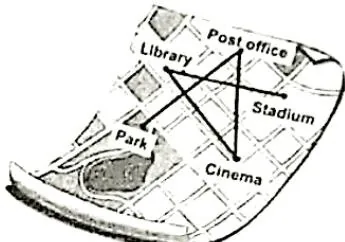
29. What does the beginning of the story tell us about Amy?
- Why did the team let Henry lead the way at last?
A. He ran fastest in the team. B. They didn’t know the way. C. They trusted his rich experience. D. He was best at playing the game.
31. Where was the finish line of the game?
32. Why did Amy smile at the end of the story?
【答案】29. B
C
A
B
【解析】
【导语】本文主要讲述了艾米在新的团队中发挥了作用,最终她被当作朋友接受的故事。
【29题详解】
推理判断题。根据“This was her first chance to make new friends, and she was nervous.”以及“So far Amy hadn’t given any useful suggestions—after all, she was totally new to this town.”可推断艾米是班里的新学生。故选 B。
【30题详解】
推理判断题。根据“Henry said. ‘You know I’m always running late. I know every shortcut in town.’ The othersfinally agreed.”(亨利说。“你知道我总是迟到。我知道城里所有的近路。”其他人最终同意了。)可知团队最后让亨利带路是相信他丰富的经验。故选C。
【31题详解】
推理判断题。根据“Since the Blue Team left the park, they had worked out the first two clues (线索)”可知最开始 的地方是在公园;根据“Look where you’ve been, see where you are. Use your map wisely and you’ll be a star!” (看看你去过哪里,看看你在哪里。明智地使用你的地图,你将成为一个明星!)结合图片可知,走过的 路线要形成一个五角星,结合“As they watched her drawing lines on the map, everyone understood.”和“They began running back to where they started.”可知比赛的终点线在公园,故选 A。
【32题详解】
推理判断题。根据“‘So…close…’ Tyler made a face, and they all laughed together.”以及“I hope we’ll be on thesame team soon.”可知,艾米在故事的结尾笑了是因为她被当作朋友接受了。故选B。
(C)
Computer scientist Mary has an idea for a new robot to help her work with children. How should it look? The robot should have arms to be able to lift things. And if it is going to communicate with people, it will also need a face. Scientists believe that giving a robot a face can make it seem more friendly. Humans would also like to pay more attention to robots with faces. But what kind?
For Mary, she wants to make sure that her new robot doesn’t look too much like a human. She wants people to just treat it as a machine-person. If it looks more like a human than a machine, she thinks users might find it a bit creepy and feel afraid. Mary also believes that robot faces don’t need to look a lot like ours. Her research shows that we can enjoy communicating with robots whether or not they look like humans, because our brains are able to look for faces. Just put two circles on top of a robot’s body, and we will see a face.
Dave feels differently. He believes that although at first we might be afraid when seeing a robot with a lifelike face, we may soon get used to it. If robots are going to work closely with humans, they should look as much like us as possible. After all, faces are an important part of the way we communicate.
To make his robots look as much like real people as possible, Dave invented a special skin (皮肤) for their faces. With this skin, robots can show human-like expressions and appear to be angry, sad, happy or surprised. Dave’s robots are also programmed to copy expressions. How? Just imagine his robot is looking at you. The cameras in its eyes send pictures of your face to its central computer!
33. Why do scientists think a robot needs a face?
34. What does the underlined word “creepy” mean in paragraph 2?
35. Which of the following would Dave most probably agree with?
36. What is the purpose of the passage?
D. To show how scientists invent robots with different faces. 【答案】33. D
A
D
C
【解析】
【导语】本文主要介绍两个人对机器人是否要有人形脸持有的不同看法。
【33 题详解】
细节理解题。根据“And if it is going to communicate with people, it will also need a face.”可知要与人交流,故 需要脸。故选D。
【34题详解】
词义猜测题。根据“If it looks more like a human than a machine, she thinks users might find it a bit creepy and feel afraid.”可知划线词与“feel afraid”并列,结合选项可知应是“看着不舒服”。故选 A。
【35题详解】
细节理解题。根据“He believes that although at first we might be afraid when seeing a robot with a lifelike face, we may soon get used to it.”可知尽管机器人有人形脸可能一开始看起来令人害怕,但是我们会很快适应,说 明人们能轻松地接受人形脸的机器人。故选D。
【36题详解】
主旨大意题。本文主要讨论机器人需要什么脸型,C 项符合。故选 C。
(D)
People believe that every word has its correct meaning(s). When we are not sure, we usually check online, or turn to our teachers or dictionaries. But do you know how dictionaries were made in the past?
Dictionary writers first read the important books of the period or the subject that the dictionary was about. As they read, they copied necessary information on cards: interesting words, common words—both in their daily uses and unusual uses, and also the sentences where they were used. That is to say, the words, along with the uses of each word, were collected. For a really big dictionary, millions of such cards were collected. This task could last for years. As the cards were collected, they were put in alphabetical order (A—Z). When this was done, there would be several hundred cards for each single word.
Then, to define (定义) a word, the dictionary writer placed its hundreds of cards before him. He read the cards closely, threw away some, read the rest again, and divided up the cards according to what he thought were the common uses of the word. Finally, he wrote the definitions, following the hard-and-fast rule: each definition must come from an example on a certain card in front of him.
So, the writing of a dictionary was not a task of inventing meanings of words, but a task of recording their meanings. The writer of a dictionary was a historian, not a law maker.
As time develops, the way of producing dictionaries has greatly changed. Nowadays, we can use online dictionaries too. When choosing our words in speaking or writing, we can be guided by the dictionary. However, we cannot be controlled by it, because new situations, new experiences, new inventions, and new feelings, are always pushing us to give new uses to old words.
37. Why did dictionary writers read important books?
- Which shows the correct steps of how dictionaries were made in the past?
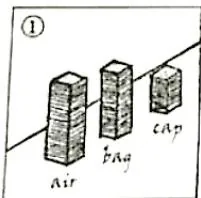
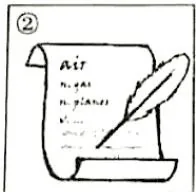
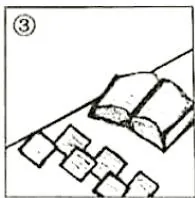
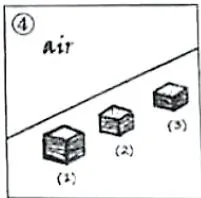
A. ①-③-④-② B. ①-②-④-③ C. ③-④-②-① D. ③-①-④-②
39. What can we learn from the passage about dictionary writing in the past?
40. What does the writer advise us to do when we choose words in communication?
【答案】37. B
D
C
A
【解析】
【导语】本文主要介绍了过去词典是如何制作的。
【37题详解】
推理判断题。根据“As they read, they copied necessary information on cards: interesting words, common words—both in their daily uses and unusual uses, and also the sentences where they were used. That is to say, the words, along with the uses of each word, were collected.”(当他们阅读时,他们把必要的信息抄写在卡片上: 有趣的单词,常见的单词——包括日常使用和不常用的单词,以及使用这些单词的句子。也就是说,这些 单词以及每个单词的用法都被收集了起来。)可推知词典编纂者要读重要的书籍是为了收集单词及其用 法,故选B。
【38题详解】
细节理解题。根据“As they read, they copied necessary information on cards: interesting words, common wordsboth in their daily uses and unusual uses, and also the sentences where they were used.”、“As the cards were collected, they were put in alphabetical order (A—Z). ”、“Then, to define (定义) a word, the dictionary writer
placed its hundreds of cards before him. He read the cards closely, threw away some, read the rest again, and divided up the cards according to what he thought were the common uses of the word.”、“Finally, he wrote the definitions, following the hard-and-fast rule: each definition must come from an example on a certain card in front of him.”可知,过去制作字典首先把有趣 单词,日常使用和不寻常使用的常见单词,以及使用它们的句子 记在卡片上;然后收集卡片时,按字母顺序(A-Z)排列;其次筛选卡片,根据词典编纂者认为的单词的 常用用法将卡片分开;最后是按照硬性规定写下了定义,每个定义都必须来自他面前某张卡片上的一个例 子。所以正确的步骤是③-①-④-②。故选D。
【39 题详解】
推理判断题。根据“For a really big dictionary, millions of such cards were collected.”(对于一本真正的大字典 来说,收集了数百万张这样的卡片。)可知过去编纂词典是一项长期艰苦的工作。故选C。
【40题详解】
细节理解题。根据“However, we cannot be controlled by it, because new situations, new experiences, newinventions, and new feelings, are always pushing us to give new uses to old words.”可知作者建议大家在使用词典时不能被它所控制,因为新的情况、新的经历、新的发明和新的感受总是在推动我们对旧词赋予新的用途,也就是接受词汇的新用法。故选 A。
第二节 阅读填空(共 5小题;每小题 1分,满分 5分)
阅读短文及文后 A~E 选项,选出可以填入 41-45 各题空白处的最佳选项,并在答题卡上将该项涂黑。
Years ago, green was simply a color. Now it’s much more! In the 1970s, some people began to worry about what we did to mother Earth. ___41___ It is a big idea that touches governments all over the world, and a small idea that touches us all in our homes.
Architects (建筑师) and building engineers are thinking about how to make buildings greener. These days, green architecture is becoming more and more popular. ____42
We need to be very careful about the materials (材料) we use. It is better to choose renewable materials-those that the Earth replaces quickly. ____43____ Also, for those materials that are not renewable, we need to use them as little as possible. Our mother Earth has offered us many other possibilities, such as wind and solar power.
Planners must think about the needs of those who will spend time in green buildings. In many cases, green energy is more comfortable for people. ____44____ Natural lighting is often kinder to the eyes than electric lighting. In fact, many people who live or work in green buildings report feeling happier and healthier.
_45____ For example, they might try to use as little land as possible. If a building covers a large area, there will be less space for plants and trees. They also have to think about cutting down waste and pollution while the
building work is going on.
Although green buildings are more expensive to build, they are less expensive to run. A. Or we can reuse some materials. B. As a result, green thinking was born. C. To understand it, we have to look at three different areas. D. For example, natural wind brings people cleaner and fresher air.
E. Architects must consider what the building will do to the environment. 【答案】41. B
C
A
D
E
【解析】
【导语】本文主要介绍绿色建筑。
【41题详解】
根据“It is a big idea that touches governments all over the world, and a small idea that touches us all in ourhomes.”可知此处介绍了一个想法,大到影响全世界的政府,小到影响我们每个人的家,结合下文可知与绿色相关。故选项 B“因此,绿色思维诞生了”符合语境,故选 B。
【42 题详解】
根据“We need to be very careful about the materials (材料) we use.”及下文可知此处介绍了绿色建筑需要考虑的事情,如使用的材料等。故选项C“为了理解它,我们不得不看到三个区域”符合语境,故选 C。
【43题详解】
根据“It is better to choose renewable materials-those that the Earth replaces quickly. ”可知此处介绍的是可再生的材料,接下来也应是类似的绿色材料。故选项A“或者我们可以重复使用一些材料”符合语境,故选A。
【44题详解】
根据“In many cases, green energy is more comfortable for people.”可知此处介绍的是绿色能源,故选项 D“例 如,自然风带给人们更干净和更清新的空气”符合语境,故选D。
【45 题详解】
根据“For example, they might try to use as little land as possible. If a building covers a large area, there will be less space for plants and trees. They also have to think about cutting down waste and pollution while the building work is going on.”可知此处介绍的是绿色建筑对环境方面的考虑,故选项 E“建筑师必须考虑建筑对环境的影响” 符合语境,故选 E。
四、写作(共三节,满分 30分)
第一节 语篇填词(共 5小题;每小题 1分,满分 5分)
阅读短文,根据上下文和所给的首字母写出所缺单词。注意使用正确形式,每空限填一词。
Today is Duanwu Jie or Dragon Boat Festival, one of the most important festivals in China. Chinese people r____46____ the great patriotic poet (爱国诗人) Qu Yuan by rowing dragon boats and making zongzi on this day.
My village is famous for its great protection of traditional c____47____ and we have the best dragon boat race team of the city. Every year, villagers raise our dragon boats from under the river about a month before the festival. And then it is c____48____ cleaned and repainted. Our dragon boat is already 40 years old. Made of a special kind of wood, it is still strong enough to l____49____ for a long time.
This year, my elder brother is accepted into our dragon boat race team as its youngest member. He’s only 18, and I’m so p____50____ of him.
【答案】46. (r)emember
(c)ulture##(c)ustoms
(c)arefully##(c)ompletely##(c)autiously
(l)as
(p)roud
【解析】
【导语】本文主要介绍了端午节的庆祝活动以及作者村庄每年都会赛龙舟。
【46题详解】
句意:中国人民在这一天划龙舟、包粽子,纪念伟大的爱国诗人屈原。根据“great patriotic poet (爱国诗人)QuYuan by rowing dragon boats and making zongzi on this day.”可知是指人们通过这些方式纪念屈原,remember“纪念”,是动词,此处是描述事实,应用一般现在时,主语是 people,动词用原形,故填(r)emember。
【47题详解】
句意:我的村庄以其对传统文化/习俗/仪式的保护而闻名,我们有全市最好的龙舟队。根据“My village isfamous for its great protection of traditional”和首字母可知,此处可以指传统文化也可以指传统习俗。culture“文化”,此处是不可数名词;custom“习俗”,此处名词用复数。故填(c)ulture/(c)ustoms。
【48题详解】
句意:然后仔细/彻底/小心地清洗并重新粉刷。根据“Every year, villagers raise our dragon boats from under the river about a month before the festival.”可知每年端午节前一个月左右,村民们就会把龙舟从河底升起, 结合首字母可知,然后应该 要仔细/彻底/小心地清洗并重新粉刷。carefully“仔细地”,completely“完全 地”,cautiously“小心地”,副词修饰动词。故填(c)arefully/(c)ompletely/(c)autiously。
【49题详解】
句意:它由一种特殊的木材制成,仍然足够坚固,可以使用很长时间。根据“Made of a special kind ofwood”可知龙舟是由一种特殊的木材制成,很坚固,可以持续使用很长时间。last“持续”,动词,空前有不定式符号,动词用原形,故填(l)ast。
【50 题详解】
句意:他才 18 岁,我为他感到骄傲。根据“This year, my elder brother is accepted into our dragon boat race team as its youngest member”结合首字母可知,此处是固定短语 be proud of“为……感到自豪”,故填 (p)roud。
第二节 完成句子(共 5 小题;每小题 2 分,满分 10 分)
根据所给的汉语内容,用英语完成下列句子。每空限填一词。
- 你是否听说过一群广州学生做的数学项目? you ever _ about a maths project done by some students in Guangzhou? 【答案】 ①. Have ②. heard 【解析】
【详解】根据中英文对照可知,hear表示“听说”,结合句意和 ever可知本句是现在完成时,主语是 you,助动词用 have,位于句首构成一般疑问句,首字母大写。故填 Have;heard。
- 这些学生不但把数学学得更好,而且优化了飞镖技能。 These students learned their maths better, improved their darting skills. 【答案】 ①. not ②. only ③. but ④. also
【解析】
【详解】分析句子可知此处是 not only…but also…“不仅……而且……”,连接两个并列部分。故填 not;only;but;also。
- 他们还赢得了广东省飞镖比赛冠军。多么棒的项目啊! They won the Championship of Guangdong Darts Match, too. project it is! 【答案】What a wonderful
【解析】
【详解】根据题干可知此处是一个感叹句。中心词为可数名词 project“项目”,符合结构:What+a/an+形容词+主语+谓语。project 是以辅音音素开头,应用 a;wonderful“极好的”。故填 What a wonderful。
- 我最喜爱的科目是美术。我也在思考我怎样能借助数学把画画得更好。
My favourite subject is art. I am also thinking about better with the help of maths.
【答案】 ①. how ②. I ③. can ④. draw
【解析】
【详解】分析句子可知空处要表达的是“我怎么样能画画”,是how 引导的宾语从句,我 I;能can;画画draw。故填 how;I;can;draw。
- 我希望有一天我的绘画作品会在美术馆展出。
I hope one day my art works in the art gallery.
【答案】 ①. will ②. be ③. shown
【解析】
【详解】根据中英文对照可知,show 表示“展出”,是动词,和主语之间是被动关系,结合“I hope one day”可知,句子应用一般将来时的被动语态:will be done。故填 will;be;shown。
第三节 书面表达(共 1 题,满分 15 分)
- 你是校志愿队队长李华。你校将于下周六组织主题(theme)为“健康你和我”的志愿服务活动,交换生 Sam也报名参加。请你根据以下内容写一封电子邮件,向他介绍活动的安排。
| Theme | Healthy You and Me |
| Time | 8:30 a.m.—11:30 a.m. |
| Place | Sports Center |
| Activities | ... |
| Purpose | ... |
注意:
可在内容提示的基础上适当拓展信息;
词数80词左右(邮件的开头已给出,不计入词数);
不得透露学校、姓名等任何个人信息,否则不予评分。
Dear Sam,
Thank you for joining us in our voluntary work next Saturday
Yours,
Li Hua
【答案】例文
Dear Sam,
Thank you for joining us in our voluntary work next Saturday. Let me introduce something about the activity to you.
The theme of the activity is “Healthy You and Me”, and it will be held from 8:30 a.m. to 11:30 a.m. next Saturday. It will be held in the Sports Center. There are many interesting activities. First, there will be a sports history show. It will be held in our school hall. Besides, “Healthy You and Me” speech will be on, too. If you want to take part, please let us know before this Friday. There will be different kinds of after-school exercise classes, such as football, basketball, tennis and so on. You can choose the one you like.
The main purpose is to increase students’ interest in sports, and encourage students to take exercise actively. I am looking forward to your reply!
Yours,
Li Hua
【解析】
【详解】[总体分析]
①题材:本文是一篇应用文,为电子邮件;
②时态:时态以“一般将来时”为主;
③提示:写作要点已给出,考生应注意结合表格提示内容介绍活动的安排。适当添加细节,并突出写作重点。
[写作步骤]
第一步,表明写作意图,引出对活动的重点介绍;
第二步,具体阐述写作内容。从“主题、时间、地点、活动”几个方面重点介绍;
第三步,介绍活动的目的并书写结语。
[亮点词汇]
①introduce…to…介绍……给……
②from…to…从……到……
③different kinds of 各种不同的
④look forward to 期待
[高分句型]
①The theme of the activity is “Healthy You and Me”, and it will be held from 8:30 a.m. to 11:30 a.m. nex
Saturday. (and 连接并列句)
②The main purpose is to increase students’ interest in sports, and encourage students to take exercise actively.(不 定式结构作表语和作宾语补足语)
离线资料
现有试卷附件
请先查看上方试题、答案和解析状态,再按需要下载附件。